Frailea pumila Care

Frailea pumila

About Frailea pumila

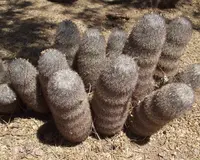
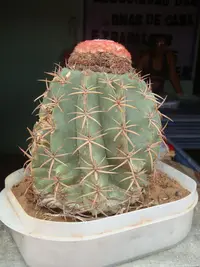
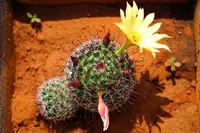
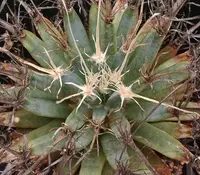
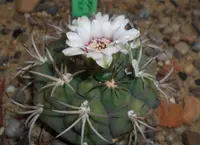
Frailea pumila is a miniature globular cactus from southern Brazil and neighboring regions of South America. It usually stays very small, forming a single rounded stem with low ribs and tiny spines. Under strong light, the body often turns olive to brownish green. Mature plants may produce relatively large yellow funnel-shaped flowers, sometimes even self-pollinating without fully opening. This species grows in open, rocky grasslands and is adapted to hot sun, intense light, and very brief rainfall. Its small size and slow, compact growth make it suitable for windowsills and small indoor collections, but it requires careful watering and fast-draining soil. Understanding how to care for Frailea pumila mainly involves balancing bright light with strict protection from excess moisture.

Main Plant Requirements

Care Difficulty

Moderate Care

Light Preference

Full Sun

Water Requirements

Low Water

Temperature Preference

Tropical / Frost Sensitive

Hardiness Zone

10–11

Soil Texture

Sandy, Loamy, Rocky

Soil pH

Slightly acidic (6.5–7.0), Neutral (7.0)

Soil Drainage

Well-drained

Fertilization

Minimal (feed rarely)

Get Personalized Care Plan

Scan your plant to receive care tips personalized for your specific plant

Available on iOS and Android

How to Care for the Frailea pumila

This small cactus prefers bright, indirect light with some gentle direct sun each day.

  • Provide 4–6 hours of morning sun or late-afternoon sun; avoid harsh midday summer sun that can scorch the stems.
  • Frailea pumila tolerates light partial shade, but in too dim conditions it stretches, loses its compact shape, and may flower less.
  • In summer, use sheer curtains or a bright porch to diffuse light; in winter, move closer to a south- or west-facing window to compensate for shorter days.

Watering should be infrequent and guided by soil dryness rather than by calendar.

  • Allow the top 3–5 cm of soil to dry completely before watering, then drench thoroughly and let excess drain away quickly.
  • During active growth in spring and summer, expect to water every 10–21 days depending on heat, airflow, and pot size, always checking soil first.
  • In autumn and winter, reduce watering sharply; soft, yellowing, or translucent tissue suggests overwatering, while wrinkling and slight shrinkage indicate mild underwatering.

This species prefers warm, stable temperatures and does not tolerate frost.

  • Aim for 70–85°F (21–29°C) during the growing season, with short peaks up to 90°F (32°C) if shaded from intense midday sun.
  • In winter rest, cooler conditions of 55–65°F (13–18°C) are acceptable if the soil stays dry to reduce rot risk.
  • Protect the plant from temperatures below 40°F (4°C); freezing conditions quickly damage tissues, so move containers or cover plants before frost.

This small cactus handles dry indoor air well, so humidity is rarely a concern.

This species needs a very fast-draining, mineral-rich cactus substrate to avoid root rot.

  • Use a gritty mix such as 50–70% mineral material (pumice, coarse sand, fine gravel) with 30–50% cactus potting mix.
  • Ensure the texture is loose and airy so water runs through in seconds, not minutes, after watering.
  • Aim for slightly acidic to neutral pH around 6.0–7.0, avoiding mixes loaded with peat that stay wet for long periods.
  • Add extra pumice or perlite if the plant shows slow drying between waterings, shriveled yet soft stems, or repeated rot issues.

This cactus is very suitable for small container growing, including windowsills and tight spaces.

  • Choose a shallow, wide pot so the shallow root system can spread while the body stays above any lingering moisture zone.
  • Use unglazed terracotta if extra evaporation is needed, or plastic in very dry climates to slightly slow moisture loss.
  • Place the pot where it cannot be knocked or tipped, as the small body and shallow roots give little natural stability in tall containers.

This small cactus needs only minimal feeding to stay healthy in cultivation.

  • Use a low-nitrogen, balanced cactus fertilizer (such as a diluted 10-10-10) at 1/4–1/2 strength.
  • Feed once every 4–6 weeks during active spring–summer growth, after thoroughly watering the soil.
  • Do not apply compost or rich organic feeds, which can cause weak, elongated growth.
  • Stop fertilizing Frailea pumila in fall and winter to allow full dormancy.

Pruning needs for this miniature cactus are very limited and mostly hygienic.

This species prefers snug conditions and only occasional repotting in a well-drained cactus mix.

  • Repot every 3–4 years or when roots circle the pot, growth slows, or soil compacts heavily.
  • Schedule repotting in late spring, allowing warmer temperatures to reduce transplant shock.
  • Use a shallow pot with ample drainage holes and a gritty mineral mix to protect fine roots.
  • Handle the plant gently, disturb roots as little as possible, and keep soil slightly dry for 5–7 days afterward.

Propagation of this cactus is mainly done from seeds rather than offsets.

  • Collect ripe seed from spent flowers, allowing pods to dry before opening carefully.
  • Sow in late spring to early summer on the surface of sterile, fine cactus mix.
  • Maintain bright, indirect light, 70–80°F warmth, and very light, even moisture for germination.
  • Cover the container with a clear lid or plastic to keep humidity stable, then ventilate gradually as seedlings grow.

This cactus is not frost hardy and needs cool, dry indoor conditions in winter.

  • Keep temperatures around 45–55°F in winter, avoiding frost and cold drafts near windows.
  • Move containers indoors before temperatures drop near 40°F, providing bright light.
  • Water very sparingly, just enough to prevent severe shriveling, and avoid any standing moisture.
  • Ensure the potting mix stays mostly dry to reduce the risk of root and stem rot during dormancy.

Care Tips

Encourage Safe Shriveling

Allow the plant to shrink slightly and wrinkle before the first deep watering after winter; this controlled stress reduces the risk of root rot and helps it resume active growth more reliably.

Use Topdressing Gravel

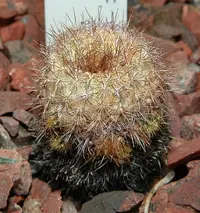
Apply a 0.5–1 cm layer of fine, washed gravel on the soil surface to keep the neck of the cactus dry, reduce algal growth, and stabilize the small body in its pot.

Optimize Pot Proportion

Choose a pot only 1–2 cm wider than the plant with more width than depth, which keeps the root zone compact and reduces excess wet substrate around the shallow roots.

Seasonal Light Shielding

In late spring and early summer, add a sheer mesh or shade cloth during the brightest hours to avoid epidermal scorching while still providing high light for compact, healthy growth.

Monitor Buds Closely

Check frequently for small, pale flower buds hiding near the crown and avoid rotating or repotting once buds appear, since minimal disturbance during this period improves the chances of successful flowering when growing Frailea pumila.

Common Pests and Diseases

Red spider mites

This pest thrives in warm, very dry indoor air and can colonize the ribs and areoles, causing a dusty or bronzed appearance and fine webbing on the tiny cactus body.

Solution

Increase humidity slightly around the plant without keeping the soil wet, and rinse the plant gently under lukewarm running water or with a soft brush. If mites persist, use a ready-to-use insecticidal soap or neem oil spray, repeating every 7–10 days while improving air movement and avoiding heat stress.

Root mealybugs

These insects live hidden on the roots and lower stem, causing slow decline, yellowing, and poor growth despite normal light and watering.

Solution

Unpot the plant, wash roots thoroughly, and remove all old soil, then trim heavily infested roots and repot into fresh, sterile cactus mix. Treat remaining roots and lower stem with a systemic insecticide labeled for root mealybugs or a strong neem oil drench, and isolate the plant from other cacti while monitoring for reinfestation.

Corky scab lesions

This disease shows as rough, brown, corky patches on the lower parts of the stem, often triggered by repeated wetting, low airflow, or sudden humidity swings on thin Frailea skin.

Solution

Remove any severely damaged tissue with a sterile blade only if it is soft or spreading, then keep the plant drier, especially in cooler weather, and improve airflow around the pot. Avoid overhead watering, ensure fast-draining mineral-rich substrate, and provide bright light to encourage firm, healthy new growth as part of long-term Frailea pumila care.

Basal stem rot

This disease starts at the base where the stem meets the soil, leading to soft, discolored tissue that can quickly collapse the tiny globular stem under prolonged moisture and cool temperatures.

Solution

At the first sign of softness, unpot and cut away all affected tissue back to firm, green flesh with a sterile knife, then dust the wound with a dry fungicidal powder or sulfur and allow it to callus completely before re-rooting in almost dry, sterile cactus mix. Adjust care by using a very porous mineral substrate, watering only when the potting mix is fully dry, and keeping temperatures above 65°F with good airflow.

Soft scale insects

These insects appear as small, slightly domed, brown or tan bumps on the stem surface and in the areoles, feeding on sap and excreting sticky honeydew that can attract sooty mold.

Solution

Remove visible scale manually using a cotton swab dipped in isopropyl alcohol or with a soft brush, taking care not to damage the thin epidermis. After initial cleanup, apply a horticultural oil or insecticidal soap according to label directions and repeat at intervals, while isolating the plant and inspecting other nearby cacti for early signs of infestation.

Interesting Facts

Self-fertilizing strategy

This species is capable of cleistogamy, meaning it often self-pollinates inside unopened flowers, which allows it to set seed reliably even when pollinators are scarce.

Seed hoarding by ants

In its native habitats of southern Brazil and Uruguay, the seeds are reportedly dispersed partly through myrmecochory, where ants transport the small seeds, helping the plant colonize new microhabitats.

Ephemeral flowering habit

The flowers commonly open only in strong, direct sun and for a very short time, sometimes just a single day, so flowering events are easy to miss even on healthy, mature plants.
Botan icon

Did you know?

In cultivation, this cactus is known to produce viable seeds even when it appears never to open its buds, because seed development happens inside the still-closed flowers, making it one of the more reliable self-seeding miniature cacti for small collections.

FAQs about Frailea pumila

This cactus often self-pollinates inside closed buds, so flowers may stay partially or fully closed. Limited light, cool temperatures, or recent repotting can also reduce flowering. Stable warmth and strong light usually improve bud formation.

Grow Healthy Plants with Botan Care

Keep your plants happy and healthy with plant identification, disease detection, and easy care guidance.

Botan plant care app — identify plants on mobile

Explore More Plants