Leucostele deserticola Care

Leucostele deserticola

About Leucostele deserticola

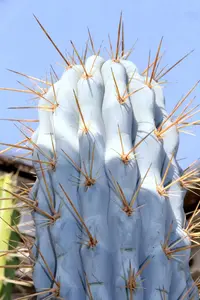
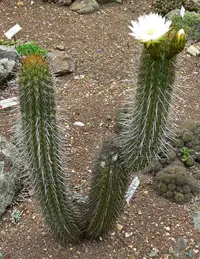
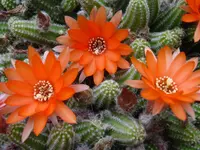
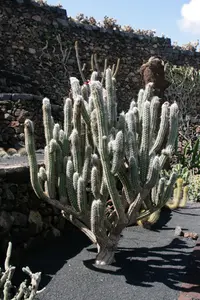
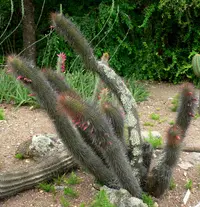
Leucostele deserticola is a columnar cactus native to the arid regions of northern Chile. It forms tall, upright stems with pronounced ribs and clusters of short spines. Mature plants may branch and can produce showy tubular flowers near the stem tips. This natural desert habitat explains its strong drought tolerance and preference for bright, direct sun.

Growth is relatively slow but steady under stable warm conditions. The main challenges are overwatering and poorly draining soil, which can cause root problems. For most indoor growers, the key to how to care for Leucostele deserticola is providing strong light, minimal but deep watering, and a very gritty, fast-draining substrate.

Main Plant Requirements

Care Difficulty

Easy Care

Light Preference

Full Sun

Water Requirements

Low Water

Temperature Preference

Warm Climate

Hardiness Zone

9–11

Soil Texture

Sandy, Rocky, Loamy

Soil pH

Slightly acidic (6.5–7.0), Neutral (7.0)

Soil Drainage

Well-drained

Fertilization

Minimal (feed rarely)

Get Personalized Care Plan

Scan your plant to receive care tips personalized for your specific plant

Available on iOS and Android

How to Care for the Leucostele deserticola

This cactus thrives in strong light that mimics its high‑desert habitat.

  • Provide 6–10 hours of direct sun daily, ideally with full morning sun and some protection from intense late afternoon summer sun.
  • Outdoors, plant Leucostele deserticola in an open, unshaded spot; in very hot climates, light afternoon shade reduces scorching of the epidermis.
  • Pale, elongated growth indicates not enough light, while yellowing or brown, crispy patches on the sun‑exposed side indicate sunburn and the need for slight shading.

This species is highly drought tolerant and needs infrequent, careful watering.

  • Allow the soil to dry completely at least through the top 5–10 cm before watering again; in hot, dry summer weather this may mean deep watering every few weeks.
  • Use very fast‑draining, gritty soil on a slope or raised area so water runs off quickly and does not pool around the roots.
  • In cool seasons, reduce watering sharply; soft, yellowing, or splitting tissue signals overwatering, while pronounced wrinkling and loss of firmness indicate it is time to water Leucostele deserticola.

This cactus prefers warm, arid conditions with a distinct cool, dry rest period.

  • Active growth occurs best around 70–90°F (21–32°C); it tolerates hotter days if soil is dry and airflow is good.
  • Short dips down to about 25°F (−4°C) may be survived if the plant is completely dry, but repeated freezing greatly increases rot risk.
  • Protect from hard frost, freezing rain, and sudden cold snaps; in winter, keep it cool and dry at roughly 40–55°F (4–13°C) to prevent weak, etiolated growth.

This cactus is adapted to very dry air and rarely needs humidity adjustment indoors.

  • Target 20–40% humidity, similar to a dry, heated home environment.
  • Tolerates even lower humidity if soil moisture is managed carefully and overwatering is avoided.
  • Watch for soft, translucent stem tissue as a sign of excess humidity combined with wet soil rather than dry air stress.

This species needs a very fast-draining mineral substrate to prevent root rot.

  • Use a gritty, sandy mix such as 60–70% inorganic materials (pumice, coarse sand, small gravel, perlite) with 30–40% cactus potting mix.
  • Aim for slightly acidic to neutral pH around 6.0–7.2, which typical commercial cactus mixes usually provide.
  • Improve aeration by avoiding fine peat-heavy mixes that compact; coarse particles should be clearly visible and feel sharp or gritty.
  • Avoid dense, water-retentive soils and any container setup where water lingers at the bottom, as roots are intolerant of prolonged saturation.

This species is suitable for container growing when the pot is chosen to support its tall, columnar form.

  • Select a deep, heavy clay or ceramic pot to counterbalance the top-heavy stem and reduce tipping risk outdoors.
  • Choose a container just slightly wider than the root mass so the mix dries evenly rather than holding moisture around the base.
  • Use a pot shape that allows a thick top layer of coarse grit or stones, which stabilizes the stem and keeps the neck of the plant dry.

This desert cactus needs very light feeding, as it is adapted to lean, mineral soils.

  • Use a low-strength balanced cactus fertilizer (for example 5-5-5) or diluted general balanced NPK at 25–50% label rate.
  • Apply once in late spring and once in midsummer during active growth; avoid feeding outside this period.
  • Do not fertilize in winter dormancy, as cool temperatures and low light reduce nutrient uptake.
  • For caring for Leucostele deserticola in pots, ensure the soil is very free-draining to prevent salt buildup from fertilizers.

Pruning needs for Leucostele deserticola are minimal and mainly hygiene-focused.

  • Best time for any pruning is late spring to early summer, when growth is active and wounds seal faster.
  • Remove only clearly dead, diseased, or mechanically damaged stems using sharp, disinfected pruning knives or saws.
  • Avoid cutting healthy green tissue; heavy removal can distort the natural columnar shape and slow growth.
  • Trim off spent or rotting offsets at the base if they crowd airflow or invite rot.

This species grows slowly and is usually repotted or transplanted infrequently.

  • Check for roots circling the container drainage holes, soil drying extremely fast, or stunted growth as signals to move Leucostele deserticola to a larger pot.
  • Plan repotting or transplanting in late spring, every 3–5 years for container plants, when temperatures are consistently warm.
  • Use a slightly larger pot with a very gritty, fast-draining cactus mix, keeping the root ball as intact as possible to limit stress.
  • After moving, keep the plant dry and shaded for 5–7 days to let any small root injuries callus, then reintroduce full sun and light watering gradually.

Leucostele deserticola is usually propagated by seeds or carefully removed offsets.

  • Sow fresh seeds in late spring in a sterile, gritty mix; keep at 70–80°F with bright, indirect light for steady germination.
  • Maintain slightly moist, not wet, conditions using bottom-watering or a covered tray to avoid damping-off disease.
  • For offsets, cut cleanly with a sterile knife, let the cut surfaces dry and callus for 7–14 days, then place on barely moist mix.
  • Provide strong light, warm temperatures, and very sparing water until new roots form and growth is visible.

Leucostele deserticola prefers cool, dry winters and has limited frost tolerance.

  • In USDA zones colder than 9, grow in containers and move indoors before temperatures drop below 32°F.
  • Provide a bright, cool spot indoors around 45–55°F with very low to no watering to mimic dry dormancy.
  • Outdoors in mild climates, keep soil sharply drained and avoid winter rainfall pooling around the base.

Care Tips

Controlled rain exposure

If grown outdoors in low-rainfall climates, place the pot under an overhang or use a clear rain shield so the plant receives bright light and airflow without prolonged wetting of the stem apex that can lead to rot.

Top-dressing with grit

Add a 0.5–1 in layer of coarse mineral grit or pumice on the soil surface to keep the stem base dry, reduce algae and fungus gnat issues, and stabilize the plant in its pot.

Gradual sun hardening

When moving a plant from indoors or shade to higher light, increase exposure by 30–60 minutes of direct sun every few days to prevent corky sunburn patches on the epidermis.

Winter dryness check

In winter rest, slide a dry wooden skewer deep into the mix and only water once it comes out completely dry, as this species is highly sensitive to root rot when cool and slightly active.

Stability and support

Use a heavy, wide clay pot and anchor taller stems with discreet stones or a single stake so the narrow root system is not disturbed by tipping or accidental bumps when caring for Leucostele deserticola.

Common Pests and Diseases

Cochineal scale

This pest forms white, cottony clusters on ribs and areoles and sucks sap, leading to yellowing and weakened growth. Symptoms include sticky honeydew and sometimes pink-red staining when insects are crushed.

Solution

Isolate the plant, then dab visible insects with cotton swabs dipped in 70% isopropyl alcohol and repeat weekly until no new clusters appear. Improve light and air movement, and for heavy infestations use a systemic insecticide labeled for cacti, applied according to the product directions.

Spider mites

These insects are tiny and often invisible at first, causing fine speckling, bronzing, and a dull, rough appearance on the cactus surface, sometimes with very fine webbing in rib crevices. This pest thrives in hot, dry, stagnant air, especially indoors or in greenhouses.

Solution

Rinse the plant thoroughly with a firm stream of water, including all rib grooves, then increase humidity around but not directly on the cactus by grouping plants and improving airflow. If damage continues, use a miticide or insecticidal soap labeled for spider mites, applied in repeated treatments to break their life cycle.

Mealybugs

These insects hide in areoles, between ribs, and around the base, appearing as white, cottony clusters and causing slow decline and yellowing. This pest can also attack roots, leading to stunted growth despite apparently normal watering, a key concern in Leucostele deserticola care instructions.

Solution

For above-ground mealybugs, physically remove colonies with tweezers or cotton swabs dipped in 70% isopropyl alcohol and repeat inspections every few days. If root mealybugs are suspected, unpot the cactus, wash off soil, remove infested roots, soak the root ball briefly in an appropriate systemic insecticide solution, then repot into fresh, dry, sterile cactus mix.

Soft bacterial rot

This disease causes localized soft, water-soaked, often darkened areas on the stem that may collapse and emit a foul odor. Symptoms include rapid tissue breakdown, especially after mechanical injury or water sitting in crown depressions during hot weather.

Solution

At the first sign, cut out all affected tissue with a sterile knife back to firm, healthy flesh, then allow the wound to dry and callus in bright, dry conditions for several days. Disinfect tools between cuts, avoid overhead watering, and maintain a very free-draining mineral substrate to prevent standing moisture around damaged tissue.

Fungal stem spots

This disease produces small, dry, corky or dark spots on the stem surface that may slowly enlarge but usually stay localized. Symptoms include rough, scarred patches that appear after prolonged humidity or minor injuries on the ribs.

Solution

Improve air circulation, avoid wetting the stem during watering, and ensure the plant receives plenty of bright light to keep the surface dry. Remove severely affected segments if feasible, and apply a sulfur-based or copper-based fungicide lightly to new lesions according to label directions to limit further spread.

Interesting Facts

Fog-dependent desert cactus

This species naturally occurs on the extremely arid coastal hills of northern Chile, where it relies heavily on frequent sea fogs (camanchaca) rather than rainfall for moisture input.

Narrow Chilean range

It is native to a relatively restricted band along the Atacama Desert coast, especially in the Antofagasta Region around Paposo, where it forms part of a sparse but distinct fog-desert flora.

Columnar with cephalium-like zone

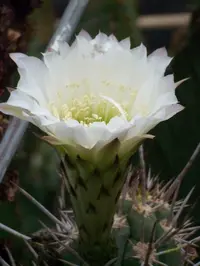
Mature plants develop tall, columnar stems with a denser flowering zone near the apex that resembles a cephalium, from which large white funnel-shaped flowers open mainly at night or early morning to attract nocturnal pollinators.

FAQs about Leucostele deserticola

This cactus performs best outdoors in warm, arid or semi-arid climates, where it receives strong light and excellent drainage. Indoors it survives but often grows slowly and may stretch, so provide maximum light and a gritty, fast-draining substrate.

Grow Healthy Plants with Botan Care

Keep your plants happy and healthy with plant identification, disease detection, and easy care guidance.

Botan plant care app — identify plants on mobile

Explore More Plants