Opuntia quitensis Care

Opuntia quitensis

About Opuntia quitensis

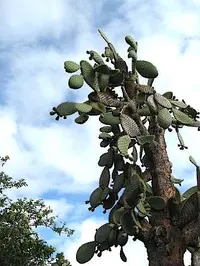
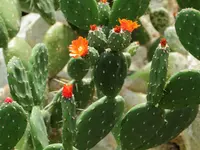
Opuntia quitensis is a small to medium cactus species with flattened, jointed pads and sparse spines, often forming low, branching clumps. It typically produces bright, showy flowers followed by small, colorful fruits.

This species is native to dry, rocky habitats in parts of South America, where it grows in strong sun and well-drained, often poor soils. Its ability to store water in its pads and tolerate heat makes it relatively easy to keep in cultivation, especially for those who prefer low-maintenance plants.

Simple conditions with plenty of light, fast-draining gritty soil, and modest watering are usually enough to care for Opuntia quitensis successfully.

Main Plant Requirements

Care Difficulty

Easy Care

Light Preference

Full Sun

Water Requirements

Low Water

Temperature Preference

Tropical / Frost Sensitive

Hardiness Zone

10–12

Soil Texture

Sandy, Loamy, Rocky

Soil pH

Slightly acidic (6.5–7.0), Neutral (7.0)

Soil Drainage

Well-drained

Fertilization

Minimal (feed rarely)

Get Personalized Care Plan

Scan your plant to receive care tips personalized for your specific plant

Available on iOS and Android

How to Care for the Opuntia quitensis

This cactus needs strong light to stay compact and flower reliably.

  • Provide 6–8 hours of direct sun daily, ideally with morning sun and some protection from intense late-afternoon summer sun in very hot regions.
  • Plant in an open, unshaded spot outdoors; Opuntia quitensis tolerates light partial shade but may grow thin, pale pads and bloom less.
  • In winter, ensure at least 4–5 hours of bright sun; if grown indoors, place at the brightest south- or west-facing window to avoid etiolation.

This species prefers thorough but infrequent watering that lets the soil dry well between soakings.

  • Water only when the top 3–5 cm of soil are completely dry; in hot, active growth this may mean about every 10–21 days, but rely on soil dryness, not the calendar.
  • Use very fast-draining, gritty soil so water runs through quickly and roots never sit in soggy conditions that cause soft, yellowing pads and root rot.
  • In winter, reduce watering sharply, giving only a light drink every 4–6 weeks if pads start to wrinkle slightly, which signals mild thirst without stress.

This cactus is adapted to warm, dry climates and handles heat better than cold.

  • Aim for 70–90°F (21–32°C) during active growth; it tolerates brief spikes to 100°F (38°C) if soil is dry and airflow is good.
  • Protect from hard freezes; many plants survive down to about 25°F (-4°C) if dry, but pads can scar or die below 28°F (-2°C), especially in wet conditions.
  • In cooler regions, keep containers above 40°F (4°C) in winter; Opuntia quitensis should be moved under cover before frost and kept on the dry side.

This cactus handles typical indoor humidity easily and rarely needs adjustment.

  • Aim for 30–50% humidity; avoid persistently above 60% to reduce rot risk.
  • Dry air is well tolerated; do not add extra humidity unless air is extremely arid and hot.
  • Watch for soft, water-soaked pads as a sign of excess humidity combined with overwatering, and improve airflow by spacing plants and using a small fan.

Use a very fast-draining, mineral-rich mix to keep roots dry between waterings.

  • Choose a gritty, sandy mix that mimics desert soil, with low organic matter and high mineral content for Opuntia quitensis.
  • Combine 50–70% inorganic materials such as coarse sand, pumice, or perlite with 30–50% cactus potting mix for strong aeration and rapid drainage.
  • Keep pH slightly acidic to neutral (pH 6.0–7.5); avoid highly alkaline or salty substrates that restrict nutrient uptake.
  • Avoid dense, peat-heavy or clay-based soils that stay wet and instead add coarse grit to any mix that holds moisture longer than 2–3 days.

This species is well suited to container growing when stability and drainage are prioritized.

  • Choose a wide, shallow pot to support spreading pads and keep the root zone from staying wet deep down.
  • Use heavy terracotta or ceramic containers outdoors to reduce tipping in wind while allowing moisture to evaporate faster than plastic.
  • Raise the pot slightly on feet or bricks so drainage holes clear surfaces and water runs off immediately after watering.

This cactus needs only light feeding to stay healthy in typical home or dry garden conditions.

  • Use a low-nitrogen balanced cactus fertilizer (for example 5-10-10) or diluted balanced NPK at 1/4 strength.
  • Feed Opuntia quitensis once every 4–6 weeks during active growth in spring and summer only.
  • Do not fertilize in fall and winter to allow a natural rest period.
  • Apply fertilizer to moist soil and avoid contact with pads to prevent burn.

Pruning is mainly used to control size and remove damaged pads on this cactus species.

  • Best time for pruning Opuntia quitensis is late spring to early summer, once active growth has started.
  • Remove dead, shriveled, storm-damaged, or badly scarred pads at the joint using clean, sharp pruners.
  • Thin crowded pads to improve air flow and maintain a stable, balanced shape.
  • Wear thick gloves and use tongs if needed to handle spiny pads safely.

This cactus prefers infrequent disturbance and only needs repotting or transplanting when clearly outgrowing its space.

  • Look for roots circling the pot, pushing through drainage holes, or noticeably slowed growth as signs to move Opuntia quitensis.
  • Plan repotting or transplanting in late spring, every 3–5 years for containers or when clumps crowd a bed.
  • Use a dry, fast-draining cactus mix and a pot only 2–5 cm wider to limit excess moisture.
  • Minimize root stress by handling the root ball gently, keeping roots mostly intact, and waiting 5–7 days before the first light watering.

This species is commonly multiplied from stem pads, with seeds used less often for home growing.

  • Take healthy, mature pads in late spring or early summer and let cut surfaces callus for 5–10 days in dry shade.
  • Plant callused pads upright in fast-draining cactus mix, burying the base 2–3 cm deep.
  • Keep in bright, indirect light with very light, infrequent watering until firm rooting develops.
  • For seeds, sow on gritty mix in warm (70–80°F) conditions and keep barely moist until germination.

Cold conditions require some planning, especially in regions with hard frost or prolonged freezes.

  • Opuntia quitensis tolerates brief light frost but is safer above about 25°F, particularly in wet climates.
  • In-ground plants benefit from a 5–8 cm gravel mulch around the base to improve drainage and insulate roots.
  • Move containers indoors or to an unheated, bright, frost-free space for winter.
  • Keep soil almost dry in winter, giving only minimal water to prevent severe shriveling.

Care Tips

Clay pot choice

Use an unglazed clay pot with large drainage holes to let the root zone dry faster and reduce the risk of rot in compact, jointed pads.

Pad propagation

When taking cuttings, let detached pads callus for 7–14 days in a dry, bright spot before planting shallowly in dry, gritty mix to achieve high rooting success.

Safe handling tools

Handle pads with folded newspaper, silicone-tipped tongs, or thick leather gloves to avoid tiny glochids and reduce damage to the epidermis during repotting or pruning.

Winter dryness management

In regions with cool, wet winters, place containers under a porch roof or cold frame to keep rain off the substrate while still allowing strong light and good air flow.

Salt and mineral tolerance

Use a slightly mineral, low-organic substrate and avoid frequent repotting so the plant can form a stable, gritty root environment suited to growing Opuntia quitensis in containers.

Common Pests and Diseases

Cochineal scale

This pest forms dense white, cottony clusters on pads and exudes red carminic acid when crushed, weakening growth over time.

Solution

Isolate the plant, then manually remove colonies with a cotton swab dipped in 70% isopropyl alcohol and rinse pads with a firm stream of water; for larger infestations on outdoor plants, apply a horticultural oil or insecticidal soap, repeating every 7–10 days until no new insects appear.

Opuntia cactus bug

These insects feed on pads, causing pale stippling, corky patches, and sometimes pad deformation on this cactus species.

Solution

Inspect pads frequently, remove and destroy heavily damaged segments, and dislodge nymphs and adults with a strong water spray; if populations remain high outdoors, use a targeted pyrethrin or neem-based product in the evening to avoid harming pollinators.

Cactus stem rot

This disease causes water-soaked, dark, soft areas on pads that may collapse and spread quickly in warm, humid or poorly ventilated conditions.

Solution

Cut away all affected tissue back into firm, healthy pad with a sterile knife, allow the wound to dry and callus in a bright, airy spot, and reduce watering while improving drainage and airflow to prevent reinfection; discard severely affected plants rather than composting them.

Phyllosticta pad spot

This disease produces round, sunken tan to gray spots with darker margins on pads, which can coalesce and weaken the plant under prolonged moisture.

Solution

Remove and discard spotted pads to reduce spore load, keep pads dry by watering at the soil level only, and improve light and airflow; in areas with recurring issues when growing Opuntia quitensis outdoors, a copper-based fungicide can be used preventively during extended wet periods.

Interesting Facts

Andean dry-forest native

This species is naturally restricted to seasonally dry inter-Andean valleys of Ecuador and Peru, where it grows on rocky slopes and disturbed scrub, often forming small, open thickets rather than dense prickly pear pads.

Distinct reddish segments

Its cladodes (flattened stem segments) are often tinged reddish to purplish, especially in strong sun or drought, a pigmentation linked to anthocyanins that help protect photosynthetic tissues from excess light and stress.

Endangered cactus specialist

Opuntia quitensis is assessed as Endangered in parts of its range due to habitat loss and fragmentation, and known wild populations are relatively few and localized, which makes careful habitat conservation important for its long-term survival.
Botan icon

Did you know?

In Ecuador, Opuntia quitensis is a characteristic structural element of some remnant dry scrub communities, where its shrubby stands create important microhabitats and perches for local birds and invertebrates in otherwise sparse, seasonally harsh landscapes.

FAQs about Opuntia quitensis

Lack of flowers usually comes from insufficient light, too much nitrogen fertilizer, or a plant that is still immature. Cool, bright, dry winter rest and lean, well-drained substrate encourage bud formation and more reliable flowering.

Grow Healthy Plants with Botan Care

Keep your plants happy and healthy with plant identification, disease detection, and easy care guidance.

Botan plant care app — identify plants on mobile

Explore More Plants