Polka Dot Begonia Care (Begonia maculata)

Also known as: Cane Begonia

About Polka Dot Begonia

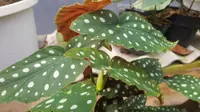
Begonia maculata, often called polka dot begonia, is an evergreen tropical shrub-like begonia grown mainly for its striking foliage. It forms upright canes with olive-green leaves marked with silver spots and contrasting reddish undersides.

In nature it occurs in the Atlantic rainforest regions of Brazil, where it grows in warm, humid, partially shaded habitats. Indoors, its showy leaves and seasonal clusters of white flowers make it a popular statement plant.

This species can be moderately demanding, as it dislikes cold drafts, soggy soil, and very dry air. Those who learn how to care for Polka Dot Begonia usually find it reliable in bright, indirect light with steady moisture and a well-drained potting mix.

Main Plant Requirements

Care Difficulty

Moderate Care

Light Preference

Bright Indirect Light

Water Requirements

Moderate Water

Temperature Preference

Tropical / Frost Sensitive

Hardiness Zone

10–11

Soil Texture

Loamy, Peaty, Organic-rich

Soil pH

Acidic (5.5–6.5), Slightly acidic (6.5–7.0)

Soil Drainage

Moist but well-drained

Fertilization

Light (every 4–6 weeks)

Get Personalized Care Plan

Scan your plant to receive care tips personalized for your specific plant

Personalized Care in the App

Available on iOS and Android

How to Care for the Polka Dot Begonia

This species needs bright, indirect light to maintain strong growth and clear leaf spotting.

  • Provide 6–8 hours of bright, filtered light daily, such as near an east- or north-facing window or under sheer curtains if light is strong.
  • Tolerates light shade, but very low light leads to leggy stems, fewer spots, and reduced flowering in Polka Dot Begonia.
  • Avoid harsh midday or afternoon sun, which scorches leaves; in summer, move slightly farther from windows or provide thin shading outdoors.

Begonia maculata prefers evenly moist but never saturated soil.

  • Water when the top 2–3 cm of soil feels dry, using enough water to moisten the root zone, then let excess drain away fully.
  • Reduce watering in winter when growth slows, allowing the top 3–4 cm to dry, while avoiding complete bone-dry conditions that cause leaf crisping and drop.
  • Watch for yellowing, mushy stems as a sign of overwatering and dry, curled leaf edges and wilting as a sign the plant stayed dry too long.

This plant thrives in warm, stable temperatures without sudden swings.

  • Aim for 65–80°F (18–27°C) for steady growth, as this range supports active foliage and flowering.
  • Protect from cold; growth slows below 60°F (16°C), and tissue damage occurs near 50°F (10°C), with frost quickly killing exposed stems and leaves.
  • In hot weather above 85°F (29°C), increase air movement and shade from direct sun to prevent heat stress, leaf scorch, and bud drop.

This species needs moderately high humidity to maintain healthy foliage and avoid leaf damage.

  • Aim for 50–70% humidity; it tolerates brief drops near 40% but leaf edges may crisp in very dry air.
  • Watch for curling tips, brown margins, and dull leaf spots as common signs of low-humidity stress in Polka Dot Begonia.
  • Increase humidity with a pebble tray, nearby humidifier, or grouping plants, but keep leaves dry to reduce fungal problems.

Begonia maculata grows best in a light, airy, organic-rich potting mix that drains rapidly.

  • Use a base of peat- or coco-based houseplant mix with 30–40% perlite and/or fine bark to keep the structure loose.
  • Ensure the mix drains within seconds after watering; moisture should remain slightly damp, never waterlogged or compacted.
  • Target a slightly acidic to neutral pH around 6.0–7.0, which supports nutrient uptake and reduces leaf yellowing from imbalance.
  • Avoid heavy garden soil, high-clay mixes, or pure compost, which hold excess water, limit aeration, and increase root rot risk.

This species is well suited to container growing due to its compact root system and upright canes.

  • Choose a pot just 2–4 cm wider than the root ball to limit excess wet substrate around sensitive roots.
  • Select a heavier ceramic or stone pot to stabilize the tall, cane-like stems and reduce tipping risk.
  • Use containers with large drainage holes, and elevate the pot slightly so excess water clears quickly from the base.

This species benefits from light, consistent feeding during its active season to support foliage and stem growth.

  • Use a balanced liquid fertilizer (around 10-10-10 or 20-20-20) diluted to 1/4–1/2 strength for Begonia maculata plant care.
  • Apply every 3–4 weeks in spring and summer when growth is strongest, skipping feedings if the plant is stressed or very dry.
  • In fall and winter, reduce feeding to once every 6–8 weeks or pause if growth is very slow under lower light.
  • Avoid heavy compost or strong slow-release pellets that can burn roots; flush the pot with plain water every 4–6 weeks to limit salt buildup.

Thoughtful pruning keeps Begonia maculata compact, well-branched, and healthier over time.

  • Prune in late winter or early spring before vigorous new growth, and lightly through summer if stems become leggy.
  • Remove dead, yellowing, or damaged leaves and any soft, diseased stems with clean, sharp scissors or pruning snips.
  • Shorten overly tall, bare canes above a leaf node to encourage branching and a fuller, more balanced shape.
  • Thin crowded stems slightly to improve airflow, which lowers the risk of fungal problems and supports better overall vigor.

Container-grown Begonia maculata benefits from periodic repotting to prevent root binding and exhausted soil.

  • Check for roots circling the pot, emerging from drainage holes, or slowed growth as signs that a larger container is needed.
  • Plan to repot every 1–2 years in spring, moving up only 2–5 cm in pot diameter with a well-drained, airy potting mix.
  • Water lightly the day before, then slide the plant out gently, loosening circling roots without tearing the root ball excessively.
  • After repotting, water thoroughly once, keep in bright indirect light, and avoid fertilizing for 2–3 weeks to reduce transplant stress.

New Begonia maculata plants are most commonly produced from stem cuttings taken in the active growing season.

  • Take 7–12 cm stem cuttings in late spring or summer, each with at least 2–3 leaves and a few nodes.
  • Root cuttings in water or a light, sterile mix kept at 70–75°F with bright, indirect light and high humidity (50–70%).
  • Insert at least 1–2 nodes below the surface, then keep the medium slightly moist, not soggy, to avoid rot.
  • Division of dense clumps is possible in spring, but handle roots gently and pot divisions into small, well-draining containers.

This tropical species is not frost hardy and requires sheltered, warm conditions through winter in temperate climates.

  • Keep indoor temperatures around 60–75°F and avoid drafts from cold windows or exterior doors.
  • Move any outdoor containers inside before temperatures drop below 55°F, providing bright, indirect light.
  • Reduce watering so the top 2–3 cm of soil dries between waterings, as growth slows and excess moisture can cause rot.
  • Do not apply strong fertilizer in winter; light feeding is only suitable if the plant continues active growth under sufficient light.

Care Tips

Provide cane support

Use a narrow stake or small trellis and loosely tie the canes with soft ties so the plant does not flop or snap as stems lengthen and leaves become heavier.

Rotate for even growth

Turn the pot 1/4 turn every 1–2 weeks so all sides receive similar light, which keeps canes upright, prevents lopsided growth, and reduces the risk of stems bending toward the window.

Refresh top layer

Every 6–12 months gently scrape off the top 1–2 cm of exhausted potting mix, replace it with fresh airy mix, and water it in to maintain good aeration around the shallow roots.

Use quarantine routine

Before placing a new plant nearby, keep it in a separate room for 10–14 days and inspect undersides of leaves and cane joints so pests such as spider mites or mealybugs do not spread to established begonias.

Seasonal rest adjustment

In late fall and winter, allow slightly longer intervals between waterings and avoid major repotting or heavy feeding, as this species often slows growth and benefits from a mild rest period when caring for Polka Dot Begonia.

Common Pests and Diseases

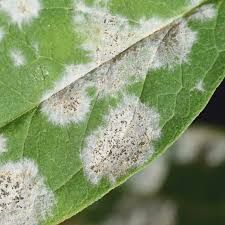
Powdery mildew

This disease causes a white, powdery film on upper leaf surfaces, often starting on older leaves in warm, stagnant air. Symptoms include distorted new growth and gradual yellowing if the problem persists.

Solution

Improve air circulation around the plant, avoid wetting the foliage, and space plants so leaves do not overlap heavily. Remove the most affected leaves and treat remaining foliage with a sulfur-based or potassium bicarbonate fungicide labeled for houseplants, applied according to instructions, while keeping humidity moderate rather than high.

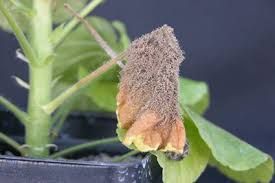
Bacterial leaf spot

This disease produces small, water-soaked translucent spots that turn brown and may develop yellow halos, often along leaf veins. Symptoms include rapid spread in warm, humid conditions and blackening of leaf tissue.

Solution

Remove and discard all affected leaves, sterilizing scissors between cuts with alcohol, and avoid overhead watering or splashing water on foliage. Increase airflow, keep leaves as dry as possible, and isolate the plant from others; if spread continues, dispose of heavily infected plants to protect nearby begonias, following any copper-based bactericide instructions only if permitted and necessary.

Spider mites

These pests cause tiny pale speckles on leaves, dulling the natural gloss and pattern, and may leave fine webbing on leaf undersides and between stems. This pest thrives in warm, dry indoor air and can quickly stunt growth.

Solution

Rinse both sides of the leaves with a strong, lukewarm water spray or shower to knock off mites, then wipe leaf undersides with a damp cloth. Follow with repeated treatments of insecticidal soap or neem oil on all leaf surfaces every 5–7 days for several cycles, while raising humidity and keeping the plant slightly cooler to discourage reinfestation as part of overall Begonia maculata care instructions.

Thrips

These insects scrape and suck sap from leaves, causing silvery streaks, distorted new growth, and dark specks of frass on the foliage. Flowers and young leaves are especially vulnerable and can become misshapen or browned at the edges.

Solution

Isolate the plant, remove and discard heavily damaged leaves and any flowers, and rinse foliage thoroughly. Install blue or yellow sticky traps nearby, then apply insecticidal soap or neem oil to all leaf surfaces and stems every 5–7 days for several treatments, checking new growth closely and maintaining good airflow and moderate humidity.

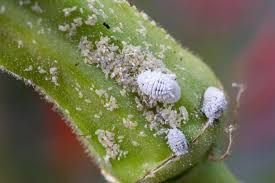
Mealybugs

These insects appear as white, cottony clusters in leaf axils, on stems, and sometimes on roots, feeding on sap and weakening the plant. Symptoms include sticky honeydew, sooty mold growth on leaves, and general decline in vigor over time.

Solution

Quarantine the plant, then dab visible mealybugs with cotton swabs dipped in isopropyl alcohol to dissolve the waxy coating and kill them. Follow with thorough sprays of insecticidal soap or neem oil on all plant surfaces every 7–10 days until no new insects appear, and inspect nearby plants to prevent reinfestation.

Interesting Facts

Native Atlantic forest understory

This species originates from the Atlantic Forest region of southeastern Brazil, where it grows as an understory plant in warm, humid, shaded habitats beneath taller vegetation.

Polka-dot leaf patterning

Its characteristic silver spots are areas with fewer chloroplasts (the green pigment structures), creating a striking contrast against the darker green leaf tissue and possibly helping to scatter incoming light in low-light forest conditions.

Asymmetric, wing-like foliage

The leaves are strongly asymmetric with a pointed tip and often described as angel-wing shaped, a leaf form typical of cane begonias that may help channel water away from the stem and roots in heavy rainforest rains.
Botan icon

Did you know?

Begonia maculata was only formally described by science in the early 20th century, and its distinctive spotted foliage quickly led to its spread in cultivation worldwide, making it one of the most recognizable cane begonias used in Polka Dot Begonia indoor care today.

FAQs about Polka Dot Begonia

Brown, crispy edges usually come from low humidity, excess fertilizer salts, or inconsistent moisture. Increase humidity, flush the soil occasionally, and keep watering steady. Avoid direct drafts from heaters or air conditioners to reduce further damage.

Grow Healthy Plants with Botan Care

Keep your plants happy and healthy with plant identification, disease detection, and easy care guidance.

Botan plant care app — identify plants on mobile

Explore More Plants