Keep in Mind It Is Invasive
Wandering jew is invasive in Florida, California, Hawaii, and Australia, where it spreads aggressively and outcompetes native groundcover.

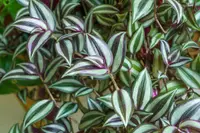
Tradescantia zebrina is a houseplant that is often chosen for its variegated foliage. It comes from southern Mexico and Central America and prefers warm, humid environments and adapts well to indoor growing. Its name, Tradescantia zebrina, comes from the bold, zebra-like pattern on its foliage. The upper side of the leaves shows a mix of fresh purple tones and deeper green hues. The underside of the inchplant displays a rich, uniform magenta-pink shade.
It is easy to care for wandering jew, as this perennial species can tolerate almost any conditions and is very tough. It spreads quickly and forms cascading stems, being ideal for hanging baskets.
Note: 'Wandering Jew' is a widely used common name, though 'Wandering Dude' is an increasingly preferred alternative.

Care Difficulty
Easy Care

Light Preference
Bright Indirect Light

Water Requirements
Moderate Water

Temperature Preference
Tropical / Frost Sensitive

Hardiness Zone
9–11

Soil Texture
Loamy, Organic-rich, Sandy

Soil pH
Acidic (5.5–6.5), Slightly acidic (6.5–7.0)

Soil Drainage
Moist but well-drained

Fertilization
Light (every 4–6 weeks)
Scan your plant to receive care tips personalized for your specific plant
Available on iOS and Android
Tradescantia zebrina does best with bright, indirect light and limited direct sun exposure.
Note: In southern regions, the bright, direct sun can wash out the plant’s color.
Provide regular water, but not too much. Wandering jew prefers slight drying between waterings.
Note: Soggy conditions can cause root rot, and drooping leaves indicate underwatering.
Stable warmth supports a plant’s healthy growth and vibrant foliage. It can tolerate cooler temperatures but is vulnerable to cold drafts.
Humidity is important for this warm-lover, so it helps maintain healthy foliage and color intensity. Wandering jew grows well in 40-60% humidity but tolerates slightly drier indoor air.
Tip: increase humidity with occasional misting or by placing plants near other greenery.
A loose, airy soil that drains well while holding some moisture supports healthy growth.
Tradescantia zebrina is well-suited to containers, especially for trailing or hanging displays. Choose wider containers to accommodate its spreading root system and wandering growth habit. A 6-8-inch (15-20 cm) pot suits most established plants. Size up by no more than 2 inches (5 cm) when repotting.
Note: lightweight pots may tip as stems trail, so use heavier materials like terracotta or ceramic, or place them on stable supports.
Feed when new growth appears in spring and continue through summer, using a balanced liquid fertilizer diluted to half strength every 4-6 weeks during active growth. This plant benefits from light, consistent feeding rather than strong or frequent applications.
Regularly pinch back the soft shoot tips to stimulate fuller, more compact growth.
Tradescantia zebrina tolerates slightly crowded roots, so frequent repotting isn’t necessary. Repot only when roots begin to emerge from drainage holes and spread across the soil surface. Choose a 2-inch (5 cm) larger pot during spring or early summer to support active growth. After repotting, water the plant lightly to help settle the soil without oversaturating.
Propagate by softwood cuttings using stem tips in spring or summer. Propagation is most commonly done using stem cuttings, which root quickly.
Cold temperatures slow growth, so protection is needed to prevent damage.
That’s interesting: In frost-free regions (USDA zones 9–11), wandering jew can be grown as a ground cover outdoors year-round.

Plant Health Check
Not sure what's wrong with your plant? Check your plant's health inside the app.
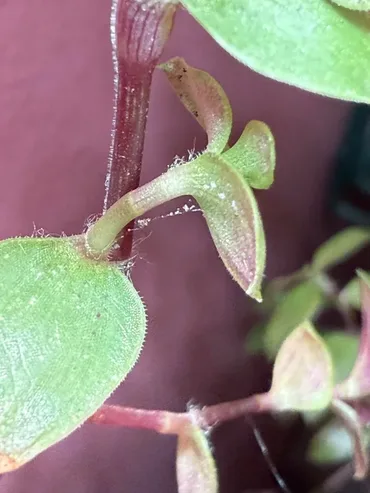
These tiny arachnids like warm, dry conditions and colonize the undersides of leaves. Spider mites cause fine stippling, yellowing, and a faded appearance on the wandering jew foliage. Fine webbing becomes visible across stems and leaves.
Solution
Rinse the plant with a strong stream of water to dislodge mites. Then apply insecticidal soap or diluted neem oil to all leaf surfaces. Repeat the procedure every 5-7 days.
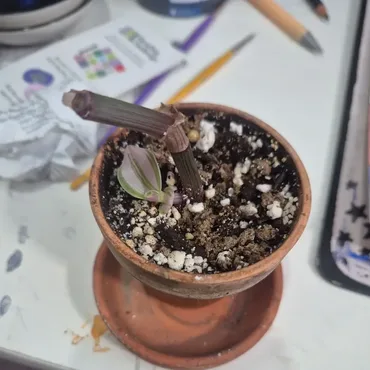
Symptoms include sudden wilting, yellowing leaves, and blackened or mushy roots. It is caused by prolonged wandering jew overwatering or poorly draining soil that deprives roots of oxygen.
Solution
Remove the plant from its pot, trim all affected roots with sterilized scissors, and allow the remaining roots to air dry briefly. Then, repot Tradescantia zebrina into well-draining soil in a clean container with drainage holes.
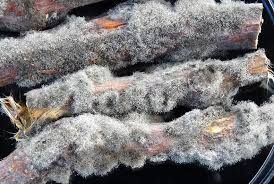
This fungal disease develops in cool, humid conditions with poor air circulation. There is a recognizable symptom of this problem: soft grey-brown patches on leaves and stems that quickly spread if left untreated.
Solution
Remove all affected material immediately and improve airflow around Inchplant by spacing it away from other plants. Reduce humidity to prevent further spread of fungal spores.
In parts of Latin America and Asia, the leaves of Tradescantia zebrina have traditionally been used to prepare herbal infusions and simple medicinal brews.
The foliage contains various bioactive compounds, including phenolic acids, flavonoids, and anthocyanins. These extracts exhibit antioxidant and anti-inflammatory activity.
Note: Internal use is not recommended without professional guidance, as the species contains compounds that may cause irritation.
Tradescantia zebrina has been used as a biological indicator in scientific research.
The plant’s stamen hair cells are uniquely transparent and large enough to observe cytoplasmic streaming (the movement of fluid within living cells) under a basic light microscope.
It makes the wandering jew a classic subject in introductory cell biology education worldwide.
The genus of these plants was named in honor of John Tradescant the Elder, a 17th-century English botanist and gardener.
He served as royal gardener to King Charles I and was among the first to collect and cultivate exotic plant species in Britain.

Wandering jew is often confused with Tradescantia fluminensis because they look similar. However, Tradescantia fluminensis doesn’t have the striped violet-green leaves.
Pinch or trim the growing tips regularly. This encourages the wandering jew to branch out rather than grow in long, sparse trails. You can also root the trimmed cuttings back into the same pot to create a fuller appearance.
Keep your plants happy and healthy with plant identification, disease detection, and easy care guidance.