


Don’t Use Cold Water When Watering
Use room-temperature water when watering to avoid stressing the roots. Very cold water can shock the corn plant and slow moisture uptake.

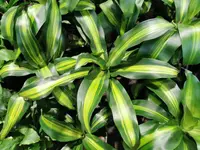
Dracaena fragrans is a popular tropical houseplant with many common names, and the most popular of them is the corn plant. Its foliage resembles corn leaves, often with striping that adds an interesting look to indoor spaces.
One of the reasons people choose it is how easy it is to care for the corn plant. It tolerates lower light and occasional mistakes. In nature, it prefers a tropical African climate where it can grow up to 49 feet (15 m). At home, you can expect the size of up to 6 feet (2 m) with proper care.

Care Difficulty
Easy Care

Light Preference
Bright Indirect Light

Water Requirements
Moderate Water

Temperature Preference
Tropical / Frost Sensitive

Hardiness Zone
10–11

Soil Texture
Loamy, Sandy

Soil pH
Slightly acidic (6.5–7.0), Neutral (7.0)

Soil Drainage
Moist but well-drained

Fertilization
Light (every 4–6 weeks)
Scan your plant to receive care tips personalized for your specific plant
Available on iOS and Android
Dracaena fragrans grows best in indirect light but can tolerate lower-light conditions better than many other houseplants. Place it where this species receives 4-6 hours of filtered light daily, but remember that direct sun can burn the foliage.
Note: Partial shade is not critical for the health, but leaf color may fade if light drops below 3-4 hours per day.
The best way to keep this species healthy is to provide moderate water, without overwatering. Water when the top 2-5 cm of soil feels dry. In winter, the corn plant uses moisture more slowly and doesn't need to be watered often.
As this houseplant comes from tropical regions, it prefers warm conditions and stable, moderate temperatures.
If the species grows in a dry climate, you should keep appropriate humidity for its health. Prefers humidity around 40-60%, but tolerates typical indoor levels without major issues. However, very dry air can cause brown leaf tips, especially during winter heating periods.
Tip: Mist it occasionally or place it next to other greenery to keep an optimal level of humidity.
Use loose, well-aerated soil that balances moisture retention with effective drainage, with a mix based on loam combined with perlite or coarse sand. Incorporate organic matter like compost or bark, and make sure containers or planting sites drain freely.
Note: Slightly acidic to neutral conditions help maintain healthy nutrient uptake.
The corn plant is well-suited for container growing because it has a compact root system and an upright habit. But choose a pot slightly bigger than the root ball to avoid excess soil staying wet too long, and pay attention to the presence of the drainage holes.
Dracaena fragrans doesn’t require frequent fertilization, but can support steadier growth during the active season. Feed with a special fertilizer in 1/2 strength every 4-6 weeks in spring and summer, but stop fertilizing in fall and winter, as growth slows and excess nutrients can accumulate in the soil.
Note: This plant is especially sensitive to fluoride. Use a low-fluoride potting mix and avoid growing media made with ingredients that may contribute excess fluoride. Choose fertilizers that do not contain superphosphate.
Pruning is useful for this species, mainly in spring or early summer to control height and remove damaged growth. Just remove yellow leaves to help your corn plant focus its energy on creating young foliage.
Tip: Cut back tall canes to encourage branching and fuller growth along the stem.
Repotting is usually more relevant than transplanting, especially when growth slows or roots outgrow the container.
Dracaenas can be propagated in several ways, including air layering, tip cuttings, stem cuttings, and rooting basal shoots. The best time to do this is usually in spring or toward the end of summer.
All tropical species are sensitive to cold temperatures, winds, and drafts, so winter care matters most where conditions drop below their tolerance. Keep Dracaena fragrans above 50°F (10°C) and move container plants away from cold drafts near windows or doors.

Plant Health Check
Not sure what's wrong with your plant? Check your plant's health inside the app.
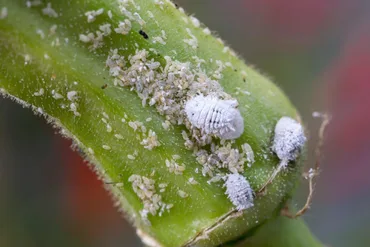
These are small, soft-bodied insects covered in a white, powdery coating. They often gather in leaf joints and along stems where they feed on plant juices.
Solution
Wipe them off with a cloth or cotton swab soaked in alcohol.
Check the plant regularly and rinse leaves to keep the infestation under control.
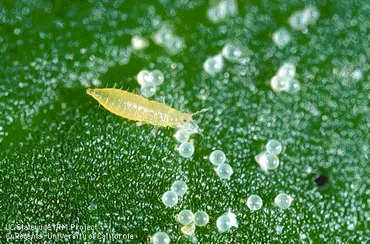
These are tiny, slender insects that scrape and suck plant tissue. They leave silvery streaks, distorted leaves, and small dark specks of waste.
Damage often appears as faded patches or uneven growth.
Solution
Rinse leaves and wipe them to remove larvae and adults. Use sticky traps to monitor activity.
Apply insecticidal soap or neem oil, repeating the treatment every 10 days until control is achieved.
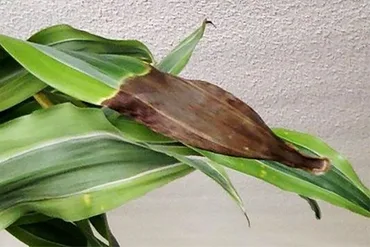
This condition causes brown, dry tips. It is often linked to fluoride or salt buildup in water or soil, not to a sunburn.
Solution
Use filtered water and occasionally flush the soil. Also, trim damaged tips to improve appearance.
Several cultivated forms of the corn plant are valued for their patterned leaves. The well-known ‘Massangeana’ features a bold yellow stripe running down the center of each leaf.
Other widely grown cultivars include ‘Janet Craig’, ‘Lemon Lime’, and ‘Warneckei’.
Dracaena fragrans produces small berries that ripen to an orange-red color, although this is seldom seen in indoor specimens.
When grown as a houseplant, it only rarely flowers and even less often goes on to develop fruit.
The genus name Dracaena comes from the Greek word "drakaina", meaning “female dragon.”
The name is linked to the red resin produced by some species in the genus, often called "dragon’s blood," which helped inspire this dramatic botanical association.
Yellow leaves can result from overwatering, poor drainage, natural aging of older lower leaves, or stress from sudden environmental changes. If several leaves are yellowing at once, check whether the soil stays wet too long and make sure the roots are not sitting in soggy conditions.
Keep your plants happy and healthy with plant identification, disease detection, and easy care guidance.


South American Jelly Palm
Butia odorata
 POPULAR
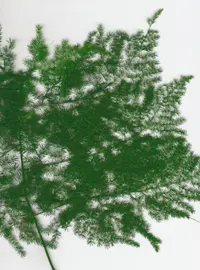
Asparagus fern
Asparagus setaceus
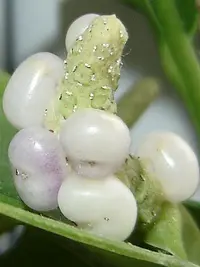
pearl laceleaf
Anthurium scandens
-1-200x133.webp)
Egyptian starcluster
Pentas lanceolata
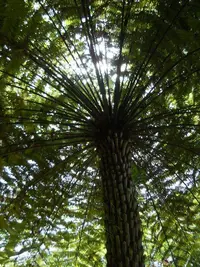
rough tree fern
Alsophila australis
 POPULAR
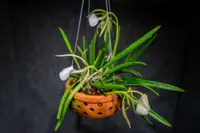
Lady of the Night Orchid
Brassavola nodosa
Krauss's Clubmoss
Selaginella kraussiana
 POPULAR
Sea Milkball
Euphorbia flanaganii