


Use Stable Placement
Place the houseplant in a spot where it won’t be frequently moved. Caring for the ZZ Plant is easier when conditions are stable.

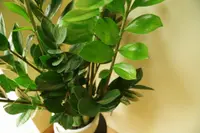
ZZ plant is a hardy tropical species that forms thick stems that rise from underground rhizomes, and they give it a clean and modern appearance. Zamioculcas zamiifolia naturally grows in dry, shaded environments, and this resilience makes it especially popular for indoor spaces. Also, in nature, it produces yellow flowers during summer and fall.
One of the main reasons people choose it is how easy it is to care for the ZZ plant. It tolerates low light, irregular watering, and different conditions, so it’s ideal even for beginners.

Care Difficulty
Easy Care

Light Preference
Partial Shade

Water Requirements
Low Water

Temperature Preference
Tropical / Frost Sensitive

Hardiness Zone
9-10

Soil Texture
Sandy, Loamy

Soil pH
Slightly acidic (6.5–7.0), Neutral (7.0)

Soil Drainage
Well-drained

Fertilization
Minimal (feed rarely)
Scan your plant to receive care tips personalized for your specific plant
Available on iOS and Android
Zamioculcas zamiifolia prefers filtered or indirect light and adapts well to lower-light environments. Provide up to 6 hours of indirect light daily. ZZ plant tolerates low light and is even suited for a windowless home as long as it is exposed to fluorescent lights for 3-6 hours every day.
Keep in mind that it prefers infrequent watering even at a young age, as in a natural environment, this species must tolerate dry weather.
Stable warmth supports healthy growth and prevents stress in this species.
That is not a critical factor, as the ZZ plant tolerates different air conditions. It grows in dry environments without stress or requiring humidity improvements for healthy growth. An increased level of humidity may be useful only in the winter months, but don't overdo it.
Loose, well-aerated soil that dries out quickly and prevents excess moisture buildup is the best choice in this case.
Pot growing is well-suited for this species due to its high adaptability. However, use pots with drainage holes that are slightly snug. Excess soil volume retains water and increases the risk of root damage.
Note: Terracotta pots allow for faster evaporation than plastic containers.
Fertilization is not really needed, as the ZZ plant grows with minimal feeding. However, this procedure will be useful during the growing season: fertilize it once or twice during that time. To do this, apply a fertilizer for houseplants at 1/2 strength.
Pruning is rarely needed for Zamioculcas zamiifolia, as it maintains its shape naturally. Sometimes, this species requires occasional removal of damaged or aging stems.
This is typically done when grown in containers, while transplanting is less common. Repot every 2-3 years in summer or spring, but handle rhizomes gently and try not to break thick roots. Use fresh, well-draining soil when repotting.
Propagation is mostly done through leaf cuttings, though it can be slow and take up to 1 year.
Cold conditions can stress and damage the ZZ plant, as it is not tolerant of frost or low temperatures. To save your houseplant, keep temperatures above 60°F (15°C) and move containers away from drafts, windows, or unheated rooms.

Plant Health Check
Not sure what's wrong with your plant? Check your plant's health inside the app.
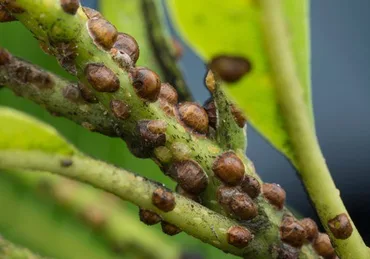
These insects attach themselves to stems and leaves. They feed slowly and often go unnoticed until growth weakens. The most common signs of the problem are sticky residue or small raised bumps.
Solution
Wipe the insects off by hand or with a regular cotton swab dipped in rubbing alcohol. After that, clean the stems and leaves.
Repeat inspections weekly and isolate the plant until no new scale appears.
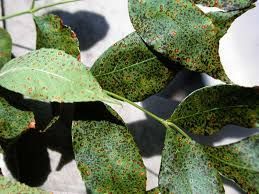
It's a common disease that causes small brown or black spots to appear on the leaves. Over time, they grow larger, merge together, develop yellow edges, and cause the foliage to weaken, dry out, or drop.
Solution
Remove the affected leaves with clean scissors. Keep water off the foliage, improve air circulation around the plant, and avoid overcrowding.
If the problem continues, check that the plant is not being kept in overly humid or poorly ventilated conditions.
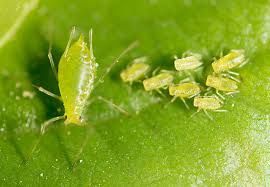
These are small sap-sucking insects that gather on new growth, tender stems, or the undersides of leaves. They cause curling, distortion, sticky residue on the plant, and weakened growth as they feed on houseplant juices.
Solution
Rinse the ZZ plant gently with water, then wipe or spray affected areas carefully. Pay special attention to the new growth.
Repeat treatment regularly and remove heavily infested parts if needed.
In parts of southeastern Africa, Malawi and Tanzania, the ZZ plant has traditional medicinal uses. Its leaf sap is applied locally to help relieve ear discomfort.
Laboratory research has shown that this houseplant can absorb certain airborne chemicals, e.g., benzene, followed by toluene, ethylbenzene, and xylene.
The thick, glossy coating on the leaves of the ZZ plant reduces moisture loss by limiting evaporation. This waxy surface and its ability to store water in rhizomes allow the plant to stay hydrated during dry periods.
Flowering is rare in indoor conditions, as it requires stable warmth and maturity. When it does occur, the blooms are small and hidden near the base, so they are easy to miss.
Keep your plants happy and healthy with plant identification, disease detection, and easy care guidance.

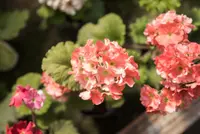
Horseshoe geranium
Pelargonium zonale
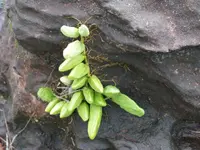
Malayan Urn Vine
Dischidia major
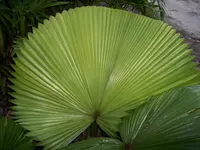
Licuala peltata
Licuala peltata
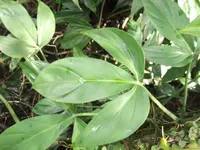
Philodendron tripartitum
Philodendron tripartitum
 POPULAR
Heartleaf philodendron
Philodendron hederaceum
Athertonia
Athertonia diversifolia
Canna tuerckheimii
Canna tuerckheimii
Goeppertia orbifolia
Goeppertia orbifolia