Red Echeveria Care (Echeveria harmsii)

Also known as: Red velvet plush plant

About Red Echeveria

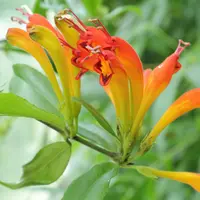
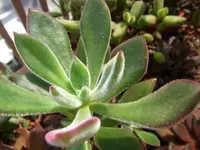
Red echeveria (Echeveria harmsii) is a small succulent shrub valued for its fuzzy, spoon-shaped leaves edged in red. It forms branching stems rather than a single tight rosette. In strong light, the leaf margins deepen in color, and in season it produces tubular orange-red flowers that attract attention on sunny windowsills. This species is native to Mexico, where it grows in bright, dry habitats with fast-draining soils. Its drought tolerance and compact growth habit make it suitable for containers and indoor displays. For those learning how to care for Red Echeveria, its main needs are strong light, very free-draining soil, and careful watering to avoid root rot.

Main Plant Requirements

Care Difficulty

Easy Care

Light Preference

Full Sun

Water Requirements

Low Water

Temperature Preference

Tropical / Frost Sensitive

Hardiness Zone

10–11

Soil Texture

Sandy, Loamy, Rocky

Soil pH

Slightly acidic (6.5–7.0), Neutral (7.0)

Soil Drainage

Well-drained

Fertilization

Minimal (feed rarely)

Get Personalized Care Plan

Scan your plant to receive care tips personalized for your specific plant

Personalized Care in the App

Available on iOS and Android

How to Care for the Red Echeveria

This succulent needs strong light to maintain compact growth and red leaf edges.

  • Provide 6–8 hours of bright sun daily, ideally with direct morning sun and bright, filtered light from late morning to mid-afternoon.
  • In very hot climates, protect Red Echeveria from harsh afternoon sun to reduce leaf scorching and faded color.
  • Outdoors, position in an open, unshaded spot for most of the year; in winter, move to the brightest frost-free location available.

This species prefers thorough but infrequent watering that allows the soil to dry between soakings.

  • Water only when the top 3–5 cm of soil are completely dry, then water deeply so excess drains away.
  • In spring and summer growth, expect more frequent watering; in fall and winter, reduce frequency as evaporation and growth slow.
  • Watch for signs: mushy, yellowing leaves indicate overwatering, while wrinkled, limp leaves suggest the plant has been kept too dry.

This succulent prefers warm, dry conditions and is sensitive to hard frost.

  • Aim for 65–80°F (18–27°C) during active growth, as this range supports steady development and healthy leaf color.
  • Protect from temperatures below 30–32°F (-1–0°C); repeated frost can damage leaves and stems, especially in exposed sites.
  • In hot spells above 90°F (32°C), provide some afternoon shade and good air movement to limit heat stress and leaf scorch.

Humidity is rarely a concern for this succulent when grown indoors or outdoors in most homes.

  • Aim for relatively dry air at 30–50% humidity, similar to typical indoor conditions.
  • Red Echeveria tolerates drier air better than overly humid air, which can promote fungal spots on leaves.
  • If air is very humid, increase airflow around the plant with a fan or open window and keep leaves dry when watering.

This species needs a fast-draining, mineral-rich substrate to keep roots dry between waterings.

  • Use a gritty mix such as 50–70% cactus or succulent mix combined with coarse perlite, pumice, or horticultural grit.
  • Choose a sandy or sandy-loam texture that breaks apart easily in the hand and never forms a sticky mass when wet.
  • Keep pH slightly acidic to neutral, around 6.0–7.0, which suits Echeveria harmsii and most container succulents.
  • Avoid dense garden soil, peat-heavy mixes without extra mineral amendment, or containers that allow water to pool at the base.

This compact succulent is very suitable for container growing.

  • Select a wide, shallow pot that matches its spreading rosette habit and prevents unused, constantly wet lower soil.
  • Choose terracotta or unglazed clay if irrigation tends to be generous, since these materials allow faster evaporation from the root zone.
  • Stabilize lightweight pots with a layer of coarse gravel at the bottom to reduce tipping risk when foliage becomes top-heavy.

This succulent benefits from light feeding but grows acceptably even with minimal fertilizer.

  • Use a diluted balanced liquid fertilizer (around 10-10-10) at 1/4–1/2 strength for caring for Red Echeveria.
  • Feed every 4–6 weeks during spring and summer when growth is active.
  • Avoid compost-rich mixes that stay wet; use a gritty, lean succulent soil instead.
  • Stop feeding in fall and winter, when growth slows, to prevent weak, stretched tissue.

Echeveria harmsii needs only light, targeted pruning to stay compact and healthy.

  • Trim in late winter or early spring before strong new growth starts.
  • Remove dead, shriveled, or damaged leaves and spent flower stalks with clean scissors.
  • Thin crowded rosettes by cutting off leggy stems to encourage tighter, fuller growth.
  • Allow cut ends to dry and callus before watering to reduce rot risk.

This species prefers infrequent repotting and slight root crowding in a shallow container.

  • Repot every 2–3 years in spring when roots circle the pot or growth slows noticeably.
  • Choose a container only 2–3 cm wider, with drainage holes and fresh gritty succulent mix.
  • Gently loosen circling roots, remove old soil around the crown, and handle rosettes by the base.
  • Water lightly 3–5 days after repotting, keeping soil barely moist to limit transplant shock.

New plants are most often produced from stem cuttings and offsets rather than seed.

  • Take short, healthy stem cuttings or offsets in late spring to summer.
  • Let cut surfaces dry and callus for 1–3 days before placing on or in dry, gritty mix.
  • Provide bright, indirect light, 70–80°F warmth, and very light misting until roots form.
  • For seed, sow on the surface of a sterile, sandy mix and keep just barely moist.

This succulent is frost sensitive and needs controlled conditions in cold climates.

  • Keep temperatures above 40°F; extended exposure below freezing can damage foliage and roots.
  • Move containers indoors to a bright, cool room before nights drop near 40°F.
  • Reduce watering sharply so soil dries fully between light waterings to avoid rot.
  • In mild climates, use a gritty, fast-draining bed and consider a light gravel mulch around the crown.

Care Tips

Rotate For Symmetry

Turn the pot 90° every 1–2 weeks so all sides receive similar light, which keeps rosettes compact and prevents the stems from leaning or stretching in one direction.

Encourage Bushy Growth

Pinch or cut back the top 1–2 cm of elongated stems in late spring, then re-root these healthy tips as cuttings to create a fuller, multi-stemmed plant in the same pot.

Use Top Dressing

Add a thin layer of decorative gravel or coarse sand on the soil surface to keep fuzzy leaves clean, reduce soil splash when watering, and improve air flow at the crown.

Cold-Season Light Boost

In winter, move the plant to the brightest available window or add a small LED grow light for 8–10 hours daily to maintain red coloration and prevent weak, leggy growth when growing Red Echeveria.

Inspect Leaf Hairs

Check the fine hairs on leaves and stems during routine care; dusty, webbed, or sticky patches can indicate early spider mite or mealybug activity and allow prompt treatment before damage spreads.

Common Pests and Diseases

Mealybugs

This pest hides in leaf axils and along stems, appearing as small white cottony clusters that stunt growth and cause leaf yellowing or drop.

Solution

Isolate the plant, then dab visible insects with cotton swabs dipped in 70% isopropyl alcohol and gently wipe crevices; repeat weekly until no new clusters appear, and improve light and airflow to reduce reinfestation risk.

Aphids

These insects gather on soft stem tips and flower stalks, sucking sap and causing distorted new growth and sticky honeydew on leaves.

Solution

Rinse the plant under a gentle stream of water to remove colonies, then apply an insecticidal soap or dilute neem oil spray to the affected areas, repeating every 5–7 days until no new aphids are seen.

Spider mites

This pest thrives in hot, dry indoor air, causing fine webbing between leaves and a dusty, stippled appearance on the foliage.

Solution

Shower the plant with lukewarm water to wash off mites, then increase humidity around but not on the rosette, and use a miticidal or neem oil spray on leaf undersides in repeated applications to break the life cycle, which is important for Echeveria harmsii care.

Edema

Symptoms include small corky, tan to brown patches on leaves when roots absorb water faster than the leaves can transpire it under cool or low-light conditions.

Solution

Allow the potting mix to dry more between waterings, increase light gradually, and keep temperatures stable; affected leaves will not heal but new growth should emerge unmarked once watering and light are corrected.

Powdery mildew

This disease appears as a white, powdery coating on leaves and stems, often developing in still air and when plants are crowded or overwatered in cool conditions.

Solution

Improve air circulation, remove heavily affected leaves, keep foliage dry, and apply a sulfur-based or potassium bicarbonate fungicide labeled for succulents, repeating as directed until new growth remains clean.

Interesting Facts

Velvety leaf hairs

The leaves are covered with fine hairs called trichomes, which reduce water loss and slightly diffuse intense sunlight, an adaptation to its naturally bright, dry habitats in Mexico.

Color shift with light

The leaf tips develop stronger red tones when exposed to higher light, while plants grown in lower light tend to stay greener with less pronounced red margins.

Branching shrub form

Unlike many rosette-only Echeveria species, this plant forms branching woody stems that can create a low shrubby structure over time, with multiple rosettes along each stem.

Botan icon

Did you know?

In some of its native Mexican habitats, this species often grows in rocky crevices and on slopes, where its shrubby, branching habit and fibrous roots help anchor it against erosion and brief periods of drought.

FAQs about Red Echeveria

Lack of blooms usually relates to insufficient light, overly rich soil, or no cool rest period. Mature rosettes flower more reliably. Check for strong light, slight temperature drop in winter, and avoid heavy fertilization before expecting flowers.

Grow Healthy Plants with Botan Care

Keep your plants happy and healthy with plant identification, disease detection, and easy care guidance.


Botan plant care app — identify plants on mobile

Explore More Plants