Common pricklypear Care (Opuntia monacantha)

Also known as: Drooping Pricklypear, Thin-leaved Prickly Pear, Cochineal Prickly Pear, Cochineal

About Common pricklypear

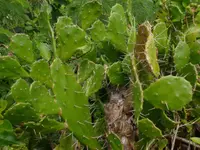
Common pricklypear (Opuntia monacantha) is a branching, pad-forming cactus known for its flat, oval cladodes and showy yellow to orange flowers followed by red fruits. It typically grows as a shrubby, sometimes tree-like plant, often with sparse but sharp spines along the pad edges.

This species is native to South America but is widely naturalized in warm, frost-free regions and coastal areas. It is generally considered easy to grow because it tolerates drought, poor soils, and high light, though it dislikes prolonged cold and excess moisture.

Gardeners who want to learn how to care for Common pricklypear should focus on strong sun, fast-draining soil, and avoiding overwatering to keep plants healthy and compact.

Main Plant Requirements

Care Difficulty

Easy Care

Light Preference

Full Sun

Water Requirements

Low Water

Temperature Preference

Tropical / Frost Sensitive

Hardiness Zone

9–11

Soil Texture

Sandy, Loamy, Rocky

Soil pH

Slightly acidic (6.5–7.0), Slightly alkaline (7.0–7.5)

Soil Drainage

Well-drained

Fertilization

Minimal (feed rarely)

Get Personalized Care Plan

Scan your plant to receive care tips personalized for your specific plant

Personalized Care in the App

Available on iOS and Android

How to Care for the Common pricklypear

This cactus needs strong sunlight to maintain compact pads and healthy growth.

  • Provide 6–8 hours of direct sun daily; full sun is ideal in the ground, with light afternoon shade in very hot, dry climates.
  • Young plants benefit from 1–2 weeks of gradual exposure to direct sun to prevent sunburn, starting with morning sun and bright filtered light later in the day.
  • In areas with low winter light, Common pricklypear may grow thinner pads; move any container plants to the brightest, sunniest spot available.

This species is highly drought tolerant and is damaged more by excess moisture than by brief dryness.

  • Let the top 3–5 cm of soil dry completely before watering; in sandy ground this may mean long intervals between waterings, especially after rainfall.
  • Apply water slowly and deeply, then allow the soil to drain fully; Opuntia monacantha needs sharply draining soil to avoid root and stem rot.
  • Puckering pads and slight wrinkling signal underwatering, while yellowing, mushy pads or a sour smell from the soil indicate chronic overwatering.

This cactus prefers warm, dry conditions but can cope with moderate cold if kept dry.

  • Optimal growth occurs around 70–90Β°F (21–32Β°C), with steady warmth and good air movement during the growing season.
  • It tolerates short dips to about 25–28Β°F (-4 to -2Β°C) if soil is dry, but repeated freezes or wet cold rapidly increase rot and tissue damage.
  • In heat above 95Β°F (35Β°C), provide some afternoon shade and avoid overhead watering late in the day to limit sunscald on hot pads.

This cactus handles a wide humidity range and rarely needs special humidity management indoors.

  • Target 30–50% relative humidity, similar to most heated homes, for stable growth.
  • It tolerates very dry air better than prolonged humidity above 60%, which can encourage fungal spots on pads.
  • Signs of excess humidity stress include soft, water-soaked pads and black or brown lesions on joints; ensure strong air movement rather than misting when caring for Common pricklypear.

This species prefers very fast-draining, mineral-rich soil that dries quickly between waterings.

  • Use a gritty mix of roughly 50% coarse sand or fine gravel, 30–40% cactus potting mix, and 10–20% perlite or pumice for strong aeration.
  • Aim for slightly acidic to neutral pH around 6.0–7.2, avoiding strongly acidic or alkaline substrates that can limit nutrient uptake.
  • Ensure the mix feels loose and crumbly, not compact, so water passes through in seconds and roots receive ample oxygen.
  • Avoid heavy loam, clay, or peat-heavy blends that stay wet for many hours, as these raise the risk of root and pad rot in Opuntia monacantha.

This species is well-suited to container growing when planted in a stable, fast-draining setup.

  • Choose a wide, heavy container to counterbalance the tall, jointed pads and reduce the risk of tipping in wind.
  • Use a pot that is just slightly wider than the root spread so the mix dries evenly and does not stay damp in unused corners.
  • Terracotta or unglazed clay pots help moisture evaporate faster, which keeps the root zone drier and closer to its native conditions.

This cactus benefits from light feeding, as soils for Common pricklypear are usually low in organic matter.

  • Use a balanced liquid cactus fertilizer at 1/4–1/2 strength or a dilute general-purpose 10-10-10 during the growing season.
  • Feed every 4–6 weeks from mid-spring to late summer only when the plant is actively growing.
  • Avoid compost-rich mixes; excess organic matter can hold water and increase rot risk.
  • Stop feeding in fall and winter to allow proper dormancy and firm, compact growth.

Pruning Opuntia monacantha is mainly used to control size, shape, and remove damaged pads.

  • Carry out pruning in late spring or early summer once the risk of frost has passed.
  • Remove dead, shriveled, diseased, or crossing pads to improve light penetration and air flow.
  • Cut at the pad joint using clean, sharp pruners or a knife and handle pads with thick gloves or tongs.
  • Shape the plant gradually over time to prevent sudden stress and to maintain stable, upright growth.

Container-grown plants need occasional repotting, while in-ground specimens are usually moved only when necessary.

  • Check for roots circling the pot, pushing through drainage holes, or very slow growth as signs it needs a larger container.
  • Repot or transplant in late spring to early summer, about every 2–3 years for pots, when active growth supports recovery.
  • Use a shallow, wide container with fast-draining cactus mix and do not bury pads deeper than before.
  • Allow roots and any small wounds to dry briefly, then water lightly after 5–7 days to limit transplant shock and rot.

This cactus is commonly propagated from stem pads, with seeds used mainly for larger-scale growing.

  • Take healthy pads in late spring or early summer and let cut surfaces dry 5–10 days until callused.
  • Plant the pad upright, burying the lower 2–3 cm in a well-draining cactus mix, and keep slightly moist but never wet.
  • Provide bright, indirect light and warm temperatures around 70–80Β°F to encourage rooting over several weeks.
  • Seed propagation requires warm soil, consistent light, and very sharp drainage, but growth is slower than from cuttings.

This species tolerates only light frost and benefits from simple winter precautions in colder regions.

  • In-ground plants handle brief drops to around 25–28Β°F if soils are very well drained and dry going into cold spells.
  • Apply a 5–8 cm layer of coarse gravel or mineral mulch around the base to insulate roots and shed excess water.
  • Move container plants indoors or to an unheated bright porch where temperatures stay mostly above 35–40Β°F.
  • Keep soil almost dry in winter, giving only minimal water to prevent pads from shriveling severely.

Care Tips

Use gritty topdressing

Apply a 1–2 cm layer of coarse gravel or pumice on the soil surface to keep pads dry at the base, reduce rot risk, and discourage fungus gnats when growing Common pricklypear.

Pad propagation hygiene

When taking pad cuttings, use a disinfected, sharp knife and allow the cut pads to callus in a dry, shaded spot for 7–14 days before planting to minimize fungal infection and rot.

Support heavy pads

For tall or top‑heavy plants in containers, insert discreet bamboo stakes and tie pads loosely with soft ties so new segments do not snap at the joints under their own weight or in strong wind.

Winter dryness adjustment

In regions with cool, bright but dry winters, move pots under an overhang or into a cold frame so the plant stays almost completely dry during cold spells, which greatly reduces cold damage to the pads and roots.

Safe handling setup

Before any repotting or pruning, wrap pads with folded newspaper or use thick silicone-tipped tongs and wear snug nitrile or leather gloves to avoid injury from spines and tiny glochids while maintaining firm control of the plant.

Common Pests and Diseases

Cochineal scale

This pest forms dense white, cottony clusters on pads and exudes red carminic dye when crushed, causing yellowing and weakening of segments.

Solution

Prune and discard heavily infested pads, then spray remaining pads thoroughly with a strong jet of water to dislodge insects. Follow with applications of insecticidal soap or a light horticultural oil, repeated every 7–10 days until no new colonies appear, and reduce excess nitrogen fertilization that encourages soft new growth.

Opuntia cactus scale

This pest appears as small, flat, gray or brown armored spots tightly attached to pads, leading to pale, stressed tissue and reduced vigor.

Solution

Gently scrape or wipe visible scales from pads with a soft brush or cloth, then treat the plant with horticultural oil to smother remaining insects, ensuring full coverage of pad surfaces and areoles. Improve plant spacing and light exposure to keep pads dry and less favorable to scale buildup, and inspect regularly for early infestations when growing Common pricklypear outdoors or indoors.

Cactus mealybugs

These insects hide in pad joints and areoles within fluffy white wax, sucking sap and leaving honeydew that can encourage sooty mold growth.

Solution

Isolate the plant, remove visible mealybugs with a cotton swab dipped in isopropyl alcohol, and rinse pads with lukewarm water. For persistent cases, apply insecticidal soap to all pad surfaces, repeat at 7–10 day intervals, and avoid overwatering or overcrowding, which favor mealybug spread.

Fungal pad spots

This disease causes circular or irregular dark spots on pads that may develop pale centers, corky areas, or slight depressions over time.

Solution

Cut off and discard affected pads with a sterile knife, keeping wounds small and angled to shed water. Improve airflow, avoid overhead watering, allow pads to dry quickly after rain, and if spotting continues, use a sulfur-based or copper-based fungicide labeled for cacti, applied according to directions during humid periods.

Bacterial soft rot

Symptoms include water-soaked, foul-smelling areas on pads that quickly become mushy and collapse, especially after mechanical injury in warm, wet conditions.

Solution

Promptly remove and discard all soft, rotting tissue, cutting back into firm, healthy pad material with sterile tools and allowing wounds to dry and callus in a bright, airy spot. Prevent future problems by avoiding overhead watering, keeping pads free from standing water, and protecting the plant from wounds and frost damage, which create entry points for bacteria.

Interesting Facts

Tree-like cactus form

This species often develops a distinct trunk and branches that can reach several meters tall in mild climates, giving it a small tree or shrub-like appearance rather than remaining a low, sprawling cactus.

Glossy flattened pads

Its cladodes (flattened stem segments) are characteristically glossy and often slightly elongated and drooping, which helps distinguish it from many other prickly pear species with duller, more rigid pads.

Bright red berry fruits

The plant produces showy red to purplish berry-like fruits after its yellow flowers, and these fleshy fruits are an important food source for birds that help disperse its seeds over long distances.

Botan icon

Did you know?

In several regions outside its native range, especially in coastal and subtropical areas, this species has become invasive enough to be listed as a noxious or prohibited plant, because dense thickets can outcompete local vegetation and alter habitat structure for native wildlife.

FAQs about Common pricklypear

Lack of flowers usually comes from insufficient light, too much nitrogen fertilizer, or a plant that is still immature. Ensure very bright conditions, avoid heavy feeding, and give several years for new pads to reach flowering age.

Grow Healthy Plants with Botan Care

Keep your plants happy and healthy with plant identification, disease detection, and easy care guidance.

Botan plant care app β€” identify plants on mobile

Explore More Plants