Pilosocereus pachycladus Care

About Pilosocereus pachycladus

Pilosocereus pachycladus, often called blue torch cactus, is a columnar cactus known for its striking blue-green stems and woolly areoles. It forms tall, upright columns that can branch and create a sculptural, architectural look in containers or warm landscapes.

This species is native to arid and semi-arid regions of Brazil, where it grows in rocky, well-drained habitats with intense sun. Its drought tolerance, slow to moderate growth, and low nutrient needs make it relatively straightforward to care for Pilosocereus pachycladus.

It prefers bright, direct light, infrequent but deep watering, and a very fast-draining, gritty soil mix that prevents water from sitting around the roots.


Main Plant Requirements

Care Difficulty

Easy Care

Light Preference

Full Sun

Water Requirements

Low Water

Temperature Preference

Tropical / Frost Sensitive

Hardiness Zone

10–12

Soil Texture

Sandy, Loamy, Rocky

Soil pH

Slightly acidic (6.5–7.0), Neutral (7.0)

Soil Drainage

Well-drained

Fertilization

Minimal (feed rarely)

Get Personalized Care Plan

Scan your plant to receive care tips personalized for your specific plant

Personalized Care in the App

Available on iOS and Android

How to Care for the Pilosocereus pachycladus

This tall columnar cactus thrives in strong, direct light similar to its native habitat.

  • Provide 6–10 hours of sun daily, with at least 4–6 hours of direct morning or late-afternoon sun to support compact, blue-green growth in Pilosocereus pachycladus.
  • Allow light partial shade during harsh midsummer afternoons to limit scorching, especially in hot, reflective sites or when growing in very shallow, fast-drying soil.
  • Increase light gradually when moving from shade or indoors outdoors in spring to prevent sunburn, and shift from low winter light to brighter conditions over 1–2 weeks.

This cactus is drought-tolerant and stores water in its stems, so the root zone must dry between waterings.

  • Water only when the top 5–8 cm of soil is completely dry; in hot growing seasons this may range from weekly to every 3–4 weeks, depending on heat, wind, and soil depth.
  • Use fast-draining, sandy or gritty soil so water runs through in seconds; prolonged soggy soil leads to root rot, yellowing stems, and a mushy base in Pilosocereus pachycladus.
  • In cooler months reduce watering sharply, sometimes to once every 4–8 weeks, stopping entirely if soil stays cool and dry while monitoring for severe stem wrinkling as a sign of underwatering.

This species prefers warm, arid conditions and reacts poorly to prolonged cold or frost.

  • Aim for 70–90°F (21–32°C) during active growth; short spikes up to 100°F (38°C) are tolerated if roots are shaded and soil is not constantly wet.
  • Protect from temperatures below 40°F (4°C); brief exposure down to about 32°F (0°C) may be survived but can scar tissue and invite rot.
  • In regions with cool winters, keep the plant dry and sheltered once nights fall below 50°F (10°C), and avoid sudden shifts between warm days and cold, damp nights.

This cactus tolerates a wide humidity range and rarely needs special humidity care indoors.

  • Ideal humidity is 30–50%, similar to typical heated or air-conditioned homes.
  • Dry air is usually tolerated, but very high humidity with cool temperatures increases rot risk at the roots and stem base.
  • Humidity stress shows as soft, pale, or blackened spots from excess moisture; improve airflow and keep foliage and stem surface dry rather than adding humidity.

This species needs a very fast-draining, mineral-rich mix that dries quickly between waterings.

  • Use a gritty cactus mix made from roughly 50–70% inorganic components such as pumice, coarse perlite, and coarse sand, with 30–50% lean potting mix.
  • Aim for a slightly acidic to neutral pH around 6.0–7.0, avoiding strongly acidic or alkaline substrates that can limit nutrient availability.
  • Ensure the soil structure stays open and airy; add extra pumice or perlite if the mix compacts or stays wet longer than 3–4 days.
  • Avoid peat-heavy, dense, or moisture-retentive mixes, which greatly increase the risk of root and stem rot in Pilosocereus pachycladus.

This tall, columnar cactus is well suited to container growing when the pot is chosen for drainage and stability.

  • Select a heavy, wide-based container to counterbalance the tall, top-heavy growth and reduce tipping risk in wind or accidental bumps.
  • Use a pot just slightly wider than the root system so the gritty mix dries thoroughly, preventing excess moisture around the roots.
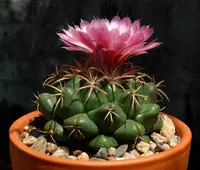
  • Choose unglazed clay or terracotta if faster moisture loss is needed, or a thicker, heavier material in very windy outdoor spots for added stability.

This cactus benefits from light feeding during its warm growing season but tolerates lean conditions well.

  • Use a low-nitrogen, balanced cactus fertilizer (for example 5-10-10) or diluted balanced NPK at 1/4–1/2 strength.
  • Feed every 4–6 weeks in spring and summer when Pilosocereus pachycladus is actively growing.
  • Avoid organic compost in pots, which can hold excess moisture and cause rot.
  • Stop feeding in fall and winter to let growth slow naturally and prevent weak, elongated tissue.

Pruning is minimal and mainly corrective for this columnar cactus.

  • Carry out any pruning in late spring or early summer when growth is active and conditions are warm.
  • Remove only dead, diseased, or badly damaged stems using clean, sharp pruning saws or knives.
  • Limit shaping cuts; removing major columns permanently alters the form and can slow vertical growth.
  • Allow cut surfaces to dry and callus fully in a bright, airy spot to reduce infection risk.

Repotting or transplanting is infrequent and should aim to disturb roots as little as possible.

  • Repot every 3–5 years, or when roots circle the pot, emerge from drainage holes, or growth slows noticeably.
  • Choose late spring to early summer so Pilosocereus pachycladus can re-establish while temperatures are warm and light is strong.
  • Use a heavy, very fast-draining cactus mix and only step up 2–5 cm in pot diameter to prevent waterlogging.
  • Handle by the pot or with thick pads, keep the root ball mostly intact, and withhold watering for 5–7 days after repotting to let any root wounds heal.

Propagation is possible but slow, relying mainly on stem cuttings or seeds under warm, bright conditions.

  • Take healthy stem cuttings in late spring or early summer using a sterile, sharp knife or saw.
  • Let cut sections callus in a dry, shaded spot for 1–3 weeks before placing on barely moist cactus mix.
  • Keep cuttings at 70–80°F in bright, indirect light and avoid watering until small roots form.
  • Sow fresh seed on the surface of sterile, gritty mix, maintain 75–85°F and light moisture, and expect slow germination and growth.

This species is frost-sensitive and needs careful winter management in most temperate climates.

  • Keep temperatures above 40–45°F; even brief frost can scar or kill tissues.
  • For container plants, move indoors to a bright, cool room with good airflow before night lows drop near 45°F.
  • Water very sparingly in winter, just enough to prevent severe shriveling, as cold, wet soil promotes rot.
  • In mild outdoor climates, ensure perfect drainage and use a coarse mineral mulch that dries quickly, avoiding damp organic mulches at the base.

Care Tips

Stabilize Tall Stems

As the column elongates, anchor the pot with a heavy cachepot or top-dress with coarse gravel and, if needed, insert a sturdy bamboo or metal stake loosely tied with soft plant tape to prevent wind or accidental knock-over damage.

Rotate For Even Ribs

Rotate the container by 90° every 2–3 weeks so the sun-exposed side changes, which keeps the ribs evenly spaced and prevents a permanent lean toward the light.

Use Inert Topdressing

Apply a 1–2 cm layer of clean pumice, coarse sand, or decorative gravel on the soil surface to reduce splash on the stem when watering and to discourage fungus gnats that thrive in exposed organic media.

Cool-Season Rest Period

In late fall and winter, keep the plant slightly cooler and very dry, only checking the root ball monthly and watering sparingly if it begins to shrink, which supports a proper dormancy and stronger growth in the next warm season.

Check Stem Firmness

Periodically press the stem gently with two fingers; a firm, turgid feel indicates good hydration, while soft or wrinkled tissue signals chronic underwatering or root issues that should be investigated before caring for Pilosocereus pachycladus further.

Common Pests and Diseases

Mealybugs

This pest feeds on cactus stems and hides in woolly white clusters along ribs, areoles, and in crevices. Symptoms include stunted growth, yellowing patches, and sticky honeydew that can lead to sooty mold on Pilosocereus pachycladus.

Solution

Isolate the plant, then wipe colonies off the stems with cotton swabs dipped in 70% isopropyl alcohol and repeat weekly until clear. Improve light and airflow, avoid overfertilizing, and if populations are high use a labeled systemic insecticide or multiple applications of insecticidal soap, keeping the waxy stems well covered but not dripping.

Scale insects

These insects appear as small, hard, brown or gray bumps firmly attached to the ribs and areoles. Symptoms include dull, patchy stems, honeydew, and gradual decline in vigor.

Solution

Gently scrape or pry off visible scales with a fingernail or soft brush, then wipe stems with alcohol-dampened cotton to remove remaining juveniles. For persistent infestations, apply horticultural oil or insecticidal soap thoroughly along all ribs and repeat every 7–10 days while temperatures are within the product’s safe range.

Spider mites

This pest prefers dry, warm conditions and can cause fine speckling, bronzing, or a dusty look on the blue waxy skin, sometimes with very fine webbing in creases. Symptoms include slow growth and a loss of the characteristic blue color as the epidermis becomes scarred.

Solution

Rinse the cactus outdoors with a firm but gentle water spray, directing water along ribs and into crevices to dislodge mites, then let it dry quickly in bright light. Follow with repeated applications of insecticidal soap or neem oil on cooler days, and reduce mite pressure long term by improving airflow and avoiding extreme, stagnant dryness around clustered plants.

Fungal stem spots

This disease causes small tan, brown, or dark spots on stems that may become corky, sunken, or slightly raised over time. Symptoms include localized discoloration that can slowly expand, especially after minor wounds, high humidity, or prolonged overhead watering.

Solution

Remove or cut out small, clearly localized lesions with a sterile blade, allowing the wound to dry and callus in bright, airy conditions. Keep stems dry, water only at the soil level, and if new spots continue to appear apply a copper-based or other cactus-safe fungicide, reducing crowding to improve air movement.

Bacterial soft rot

This disease leads to rapidly soft, wet, foul-smelling areas on the stem, often starting from an injury or water-sitting point and spreading along ribs. Symptoms include tissue collapse and discoloration that may progress quickly in warm, humid conditions, making timely action critical in Pilosocereus pachycladus care.

Solution

Immediately cut away all affected soft tissue well into firm, healthy tissue with a sterile knife, then allow the wound to dry and form a hard callus in a warm, dry, bright place out of direct rain. Discard severely affected plants, sterilize tools and pots, and prevent recurrence by avoiding stem injuries, keeping water off the cactus body, and ensuring fast-draining soil and good airflow.

Interesting Facts

Natural Brazilian habitat

This species is native to the dry coastal regions and rocky hillsides of eastern Brazil, especially in Caatinga and restinga habitats, where it experiences strong sun, poor sandy or stony soils, and seasonal drought.

Blue waxy coating

The stems have a striking blue to blue‑green color caused by a waxy layer called bloom, which helps reflect intense sunlight and reduce water loss through the epidermis.

Night-blooming flowers

It produces long, tubular white flowers that open mainly at night and are adapted for pollination by nocturnal visitors such as bats and large moths in its native range.

Botan icon

Did you know?

In habitat this species can form tall, candelabra-like clumps over many years, creating vertical structures that provide roosting and perching sites for birds and shelter for small animals within otherwise open, seasonally arid landscapes.

FAQs about Pilosocereus pachycladus

In warm outdoor climates, this species can reach 10–20 ft over many years, forming a tall, columnar structure. In containers or cooler regions, growth is slower and plants often stay under 8–10 ft.

Grow Healthy Plants with Botan Care

Keep your plants happy and healthy with plant identification, disease detection, and easy care guidance.

Botan plant care app — identify plants on mobile

Explore More Plants