Bunny Ear Cactus Care (Opuntia microdasys)

Also known as: angel's-wings, Bunny Ears Cactus, Cow-Blinder, Dwarf Cactus, Garden-Cactus, Teddy Bear Cactus

About Bunny Ear Cactus

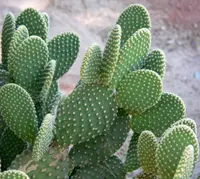
Bunny ear cactus, Opuntia microdasys, is a compact desert cactus known for its flat, pad-like stems that resemble rabbit ears. Each pad is covered with dense clusters of tiny bristles called glochids. These bristles detach easily and can irritate skin, which is important to understand when you care for Bunny Ear Cactus or handle it. The plant usually grows as a low, branching clump rather than a tall single stem. Native to arid regions of central and northern Mexico, it is adapted to strong sun, high temperatures, and dry conditions. It generally prefers bright light, low humidity, and very well-draining, gritty soil in both indoor and outdoor settings.

Main Plant Requirements

Care Difficulty

Easy Care

Light Preference

Full Sun

Water Requirements

Low Water

Temperature Preference

Tropical / Frost Sensitive

Hardiness Zone

9–11

Soil Texture

Sandy, Loamy, Rocky

Soil pH

Slightly acidic (6.5–7.0), Slightly alkaline (7.0–7.5)

Soil Drainage

Well-drained

Fertilization

Minimal (feed rarely)

Get Personalized Care Plan

Scan your plant to receive care tips personalized for your specific plant

Personalized Care in the App

Available on iOS and Android

How to Care for the Bunny Ear Cactus

This cactus prefers strong, direct light that mimics its native desert habitat.

  • Provide 6–8 hours of direct sun daily; morning and late-afternoon sun are ideal, with some protection from intense midday summer sun to reduce scorch risk.
  • Outdoors, place in an open, south- or west-facing spot; indoors, use the brightest south-facing window and rotate the Bunny Ear Cactus every 1–2 weeks for even growth.
  • If pads stretch, lean, or lose their dense glochids, light is too low; move gradually to a brighter position over 1–2 weeks.

Watering should be infrequent and guided by soil dryness rather than a fixed schedule.

  • Allow the top 5–8 cm of soil to dry completely before watering; in hot growing seasons this may mean every 10–21 days, while in cool or cloudy periods it may stretch to several weeks.
  • Use a gritty, fast-draining cactus mix so water runs through in seconds; never leave containers standing in saucers or garden sites with poor drainage.
  • In winter, when Opuntia microdasys is relatively dormant, water only enough to prevent pads from shriveling; soft, yellowing, or blackened pads indicate overwatering and possible root rot.

This species thrives in warm, dry conditions and dislikes prolonged cold or damp.

  • Aim for active growth temperatures of 70–90°F (21–32°C); short spikes up to 100°F (38°C) are tolerated if soil drains well and airflow is good.
  • Protect from frost; pads are usually damaged below 28–30°F (-2 to -1°C), so use covers or move container plants before hard freezes.
  • In winter rest, cooler but frost-free conditions around 50–60°F (10–16°C) help maintain a natural cycle, while avoiding cold, waterlogged soil that increases rot risk.

This cactus prefers dry air and rarely needs extra humidity control indoors.

  • Target 30–50% relative humidity, similar to a typical heated home or dry climate room.
  • Tolerates very dry air; problems arise more from excess moisture than from low humidity.
  • Watch for soft, water-soaked pads or fungal spotting as signs humidity is too high and improve air movement rather than misting.

Use a fast-draining, mineral-based mix to keep roots dry between waterings.

  • Choose a gritty, sandy substrate with minimal organic matter, such as 50–70% mineral components and 30–50% cactus potting mix.
  • Aim for sharply draining soil that dries within a few days; water should pass through in seconds without pooling.
  • Keep pH slightly acidic to neutral, around 6.0–7.0, which suits Opuntia microdasys and supports nutrient availability.
  • Improve aeration and drainage by adding coarse pumice, perlite, or 3–5 mm gravel, and avoid dense compost, peat-heavy mixes, or clay-based garden soil.

This species is well suited to container growing when the pot limits excess moisture around the roots.

  • Select a wide, shallow container that matches the spreading root system and lowers the risk of tipping from lateral pad growth.
  • Use a heavy clay or ceramic pot so the plant’s offsetting pads do not destabilize the container in windy or high-traffic areas.
  • Ensure drainage holes stay unobstructed by placing a thin mesh or a few flat stones over them rather than a compact layer of pebbles.

Opuntia microdasys grows well with light feeding during its active season.

  • Use a diluted balanced liquid fertilizer (around 10-10-10) or cactus-specific feed at 1/4–1/2 strength.
  • Apply once every 4–6 weeks in spring and summer when growth is visible.
  • Skip feeding in fall and winter to allow proper dormancy.
  • For Bunny Ear Cactus in large containers, a thin layer of compost on top of the soil can support long-term nutrition.

Pruning Opuntia microdasys is mainly done to control size and remove damaged pads.

  • Best time is late spring to mid-summer, when the plant is actively growing.
  • Remove dead, diseased, storm-damaged, or crossing pads to maintain a stable shape.
  • Use long tongs and a sharp, disinfected knife or pruners; cut at the joint between pads.
  • Shaping light, crowded growth improves air flow and keeps the plant safer to handle.

Repotting is infrequent but helpful when growth slows or the container is root-bound.

  • Check for roots circling the pot, water draining too fast, or the plant becoming top-heavy; repot every 3–5 years.
  • Plan repotting for late spring, after the risk of frost has passed and growth resumes.
  • Use a slightly larger pot with fast-draining cactus mix, and keep the root ball as intact as possible.
  • Let roots dry for 2–3 days after repotting Opuntia microdasys, then water lightly to limit stress and rot risk.

New Opuntia microdasys plants are most often started from single-pad cuttings.

  • Take healthy, mature pads in late spring or early summer using tongs and a clean knife.
  • Allow cut pads to callus in a dry, bright spot for 7–10 days before planting.
  • Set the base of the pad into a barely moist cactus mix, keeping it upright and stable.
  • Provide bright, indirect light, warm temperatures (70–80°F), and minimal water until roots establish.

Winter care focuses on keeping Opuntia microdasys cool, bright, and dry.

  • This cactus is frost-sensitive; aim to keep temperatures above 40°F, especially for container plants.
  • Move pots indoors to a bright window or unheated but frost-free room in cold climates.
  • Water very sparingly, about once every 4–6 weeks, to prevent root rot during dormancy.
  • Outdoor plants in mild regions benefit from a gritty, raised bed and a dry mulch that does not trap moisture at the pads.

Care Tips

Secure pot weight

Use a wide, heavy pot or add a top layer of decorative gravel so the plant does not tip as pads grow sideways and become top-heavy.

Pad propagation hygiene

When taking pads for propagation, use a sterilized, sharp knife and let the cut edge callus in a dry, shaded place for 5–10 days before planting to reduce rot risk.

Safe handling setup

Handle the plant only with long-handled tongs or several layers of folded newspaper, and keep a dedicated soft brush or sticky tape nearby to remove any dislodged glochids from the work area.

Winter light adjustments

In winter, move the plant to the brightest available indoor window and rotate the pot 90° every 2–3 weeks to keep pad growth even and prevent leaning.

Root health checks

Every 1–2 years, unpot the plant during its dry season to inspect roots for blackened or mushy sections, trim any damaged roots with sterilized tools, and repot slightly higher to encourage stable, upright growth when growing Bunny Ear Cactus.

Common Pests and Diseases

Cochineal scale

This pest appears as white, cottony or tufted patches on pads, often along areoles, and may stain red when crushed. Symptoms include sticky residue and gradual yellowing or stunting of segments.

Solution

Isolate the plant, then use a strong stream of water or a soft brush with diluted dish soap to dislodge the insects from pads and joints. For persistent infestations, dab remaining clusters with cotton swabs dipped in 70% isopropyl alcohol and repeat weekly until no new patches appear, keeping the plant in bright, dry conditions to discourage reinfestation.

Mealybugs

These insects form fluffy white clusters in crevices between pads and around the base, feeding on sap and weakening the plant. Symptoms include distorted new growth, honeydew, and sometimes black sooty mold on affected areas.

Solution

Quarantine the cactus and manually remove visible mealybugs with cotton swabs dipped in 70% isopropyl alcohol, focusing on joints and hidden areas. Improve air circulation, avoid overfertilizing, and, if needed, apply a systemic insecticide labeled for cacti according to the manufacturer’s directions, repeating after 7–14 days to break the life cycle.

Spider mites

These pests are tiny and often hard to see, but symptoms include pale, rough, or speckled pads and fine webbing in sheltered spots. This pest thrives in hot, very dry indoor air and can cause pads to lose color and vigor.

Solution

Rinse pads thoroughly with a strong but controlled stream of water, including undersides and joints, then increase ambient humidity slightly and avoid heat stress. If damage continues, apply a horticultural soap or neem oil spray labeled for mites, treating every 7–10 days and rotating with another miticide if the infestation is heavy.

Cactus scab

This disease causes corky, brown, scaly patches on pads that may crack or distort the surface but usually do not spread quickly. Symptoms include localized rough, tan to brown lesions, often following minor injury or prolonged wetness on the skin.

Solution

Remove or trim only severely affected pads if they are badly disfigured or if soft rot develops, using a sterile knife and allowing wounds to dry in a warm, airy spot. Reduce overhead watering, keep pads dry, and ensure strong light and good air movement; most lesions are cosmetic and best managed by preventing further stress and new injury.

Soft bacterial rot

This disease produces water-soaked, mushy, foul-smelling areas on pads, often starting at wounds or where water collects. Symptoms include rapid collapse of affected segments and spreading decay if not removed quickly.

Solution

Immediately cut away all soft, discolored tissue well into firm, healthy pad tissue using sterilized tools, then discard infected parts in the trash. Allow cut surfaces to dry and callus in a bright, dry place for several days, adjust watering to keep soil dry between waterings, and avoid wetting pads to reduce the risk of reinfection, which is central to effective Opuntia microdasys plant care.

Interesting Facts

Glochids as defense

This species lacks long spines but is densely covered in tiny barbed hairs called glochids that detach very easily and lodge in the skin of herbivores, providing an effective mechanical defense despite the pads looking soft.

Night-opening flowers

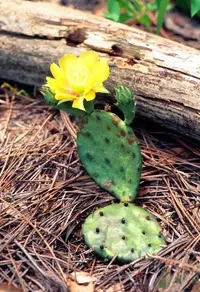
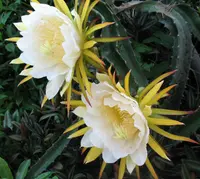
Its creamy yellow flowers typically open in late afternoon to evening and can remain open into the night, an adaptation that takes advantage of cooler desert temperatures and nighttime pollinators such as moths.

Segmented pad growth

New pads usually emerge from the upper margins of older pads in paired or clustered segments, creating the characteristic ear-like shape that distinguishes this species from many other prickly pears.

Botan icon

Did you know?

In parts of its introduced range, including regions around the Mediterranean, this species has become naturalized and can behave invasively, forming dense stands that outcompete native vegetation and are difficult to remove because even small detached pad fragments can root and form new plants.

FAQs about Bunny Ear Cactus

This species needs strong light, a cool, dry winter rest, and maturity before flowering. Lack of blooms often comes from insufficient sun, warm winters, or frequent watering year-round that prevents a distinct dormant period.

Grow Healthy Plants with Botan Care

Keep your plants happy and healthy with plant identification, disease detection, and easy care guidance.

Botan plant care app — identify plants on mobile

Explore More Plants