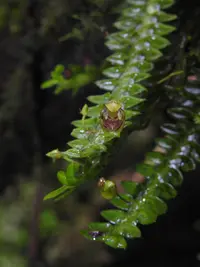
Fairy crassula Care (Crassula multicava)

Also known as: Fairy Stonecrop, Fairy crassula

About Fairy crassula

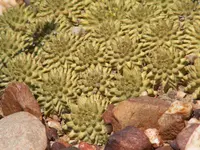
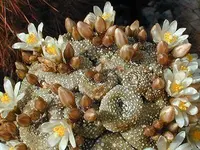
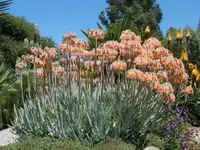
Fairy crassula (Crassula multicava) is a small, mat-forming succulent grown mainly as a groundcover or trailing container plant. It forms low, dense clumps of rounded, fleshy leaves. In season, it produces airy stems of tiny star-shaped pink to white flowers that rise above the foliage and attract pollinators. The plant naturally occurs in shaded, rocky habitats of South Africa. Its compact growth, drought tolerance, and ability to cope with some shade make it relatively undemanding. Once you understand how to care for Fairy crassula in terms of light, watering, and free-draining soil, it stays reliable and long-lived indoors or outdoors in mild climates.

Main Plant Requirements

Care Difficulty

Easy Care

Light Preference

Partial Shade

Water Requirements

Low Water

Temperature Preference

Warm Climate

Hardiness Zone

9–11

Soil Texture

Sandy, Loamy, Organic-rich

Soil pH

Slightly acidic (6.5–7.0), Neutral (7.0)

Soil Drainage

Well-drained

Fertilization

Minimal (feed rarely)

Get Personalized Care Plan

Scan your plant to receive care tips personalized for your specific plant

Personalized Care in the App

Available on iOS and Android

How to Care for the Fairy crassula

Crassula multicava grows best in bright, indirect light with some gentle direct sun.

  • Provide 3–5 hours of morning sun or late-afternoon sun, with dappled or filtered light during intense midday periods.
  • Tolerates partial shade, especially under light tree cover, but growth becomes looser and flowering may decrease if light stays below roughly 3 hours of sun.
  • In hot summers, protect Fairy crassula from harsh afternoon sun to prevent leaf scorch; in winter, shift closer to brighter exposure to compensate for weaker light.

Crassula multicava prefers infrequent, deep watering with time for the soil to dry between soakings.

  • Water only when the top 2–4 cm of soil feels dry, soaking the root zone and letting excess drain away completely.
  • Reduce watering in cool seasons when growth slows, and increase slightly during active spring–summer growth while still allowing partial drying between waterings.
  • Watch for overwatering signs such as soft, yellowing, or translucent leaves and a sour soil smell; wrinkled, drooping leaves and very light soil indicate underwatering.

This succulent prefers mild conditions and is sensitive to hard frost and extreme heat.

  • Aim for 60–75°F (16–24°C) for steady growth, with the best performance around 65–70°F (18–21°C).
  • Protect from temperatures below 30–32°F (-1–0°C); brief light frost may be survived, but repeated freezes damage foliage and roots.
  • In hot climates, it tolerates up to 90–95°F (32–35°C) if shaded during peak sun and given well-drained soil to prevent heat-related root stress.

This species is comfortable in typical indoor humidity and rarely needs extra moisture control.

  • Target 30–50% humidity, similar to most heated or air-conditioned homes.
  • It tolerates dry air well, so Fairy crassula usually does not need humidifiers or trays.
  • If leaves shrivel while soil is moist, reduce drafts or heating vents that create very low local humidity.

Crassula multicava prefers a loose, sharply drained, mineral-rich substrate that dries quickly between waterings.

  • Use a mix of about 50–70% gritty material (perlite, pumice, coarse sand) with 30–50% lean potting mix or composted bark.
  • Aim for slightly acidic to neutral pH around 6.0–7.0, avoiding strongly acidic or alkaline substrates that can restrict nutrient uptake.
  • Increase aeration by using larger-grain amendments (3–6 mm) and avoiding fine peat-heavy mixes that stay wet and compact.
  • Avoid dense, water-retentive garden soil or clay-based mixes, which promote root rot and reduce oxygen around the roots.

This species is well suited to container growing, including shallow, wide pots and balcony planters.

  • Choose a pot only slightly wider than the root ball to limit excess wet mix that can stay soggy after watering.
  • Use a low, stable container shape to support its spreading habit and reduce the risk of pots tipping over as stems trail.
  • Select unglazed terracotta or other porous materials when extra evaporation is desired, especially in cooler or dimmer locations.

This succulent benefits from light feeding during active growth but does not need heavy fertilization for good performance.

  • Use a balanced liquid fertilizer (around 10-10-10 or 20-20-20) diluted to 25–50% strength for Fairy crassula.
  • Feed every 4–6 weeks in spring and summer when growth is strongest.
  • Reduce or stop feeding in fall and winter when growth slows.
  • Avoid high-nitrogen lawn or foliage formulas and always water lightly before applying fertilizer.

Pruning helps Crassula multicava stay compact, tidy, and flowering well in containers or groundcovers.

  • Best time for pruning is late winter to early spring, or immediately after main flowering flushes.
  • Remove dead, damaged, or weak stems first, then thin crowded or leggy shoots.
  • Shortening long runners maintains a low, dense mat and encourages branching.
  • Use clean, sharp scissors or hand pruners, cutting just above a node or branch junction.

This shallow-rooted succulent tolerates mild crowding but benefits from occasional repotting or transplanting to refresh soil and space.

  • Look for roots circling the pot, poking from drainage holes, or unexplained slow growth as signs it needs attention.
  • Plan to repot or transplant every 2–3 years in spring, using a free-draining cactus or succulent mix.
  • Handle the root ball gently, loosening only the outer roots and trimming rotten sections with sterile tools.
  • After moving, water lightly, keep in bright but indirect light for 5–7 days, and avoid fertilizing for 2–3 weeks to limit stress.

Crassula multicava is commonly multiplied by stem cuttings, leaf cuttings, and division of mature clumps.

  • Take 5–8 cm stem or leaf cuttings in spring or early summer from healthy, non-flowering shoots.
  • Allow cut ends to callus for 1–2 days, then place in a gritty, barely moist succulent mix.
  • Keep cuttings in bright, indirect light at 65–75°F and maintain slight, not heavy, moisture until roots form.
  • For division, lift a clump, gently separate rooted sections by hand, then replant each division at the same depth.

This plant is only mildly frost tolerant and benefits from simple winter precautions in cooler climates.

  • In-ground plants usually handle light frosts down to about 25–28°F if soil drains well.
  • Spread a 2–5 cm layer of dry mulch around the root zone in fall, keeping it off stems.
  • Move containers indoors or into a bright, frost-free space when nights drop below freezing.
  • Water sparingly in winter, allowing soil to dry almost completely between waterings to limit rot risk.

Care Tips

Controlled groundcover spread

Use a clean knife or scissors to edge the mat and remove outer rosettes once or twice a year so the plant does not smother neighboring plants or creep into pathways.


Division for rejuvenation

Lift and divide congested patches every 2–3 years, replanting only the youngest, firm rosettes to maintain a dense, fresh-looking carpet and reduce disease buildup in old stems.

Leaf and stem propagation

Root healthy, unblemished leaves or small side rosettes in a shallow tray of barely moist, gritty mix to create uniform replacement plants or to thicken gaps in an existing planting.

Shading in heatwaves

In very hot, reflective sites, provide temporary shade cloth or use taller companion plants to filter midday sun and reduce leaf scorch and stress when growing Fairy crassula outdoors.

Slugs and snails management

Inspect the plant edges after rain or overhead watering and use physical barriers or manual removal to protect the fleshy leaves, which are highly attractive to slugs and snails in damp conditions.

Common Pests and Diseases

Mealybugs

This pest often hides in leaf axils and along stems, sucking sap and causing pale, distorted growth and sticky honeydew. Symptoms include white, cottony clusters that are easy to overlook in dense mats of foliage.

Solution

Isolate the plant, then dab visible insects with cotton swabs dipped in 70% isopropyl alcohol and rinse the foliage with lukewarm water. Follow up with repeated applications of an insecticidal soap or horticultural oil every 7–10 days, and reduce excess nitrogen fertilization that encourages soft, attractive new growth.

Aphids

These insects feed on tender new shoots and flower stalks, leading to curling leaves, stunted growth, and shiny honeydew that can attract sooty mold. Colonies often build up rapidly on young tips when the plant is grown in rich, moist soil or partial shade.

Solution

Spray affected areas with a strong stream of water to dislodge colonies, then apply insecticidal soap thoroughly to all shoot tips and the undersides of leaves. Repeat treatments at 5–7 day intervals until no new aphids appear and avoid overfertilizing, which stimulates the lush growth that aphids prefer.

Soft scale

This pest appears as small, rounded, tan to brown bumps on stems and leaves, where it feeds on sap and produces honeydew. Symptoms include gradual yellowing, reduced vigor, and black sooty mold developing on the sugary deposits.

Solution

Gently scrape or wipe off individual scales with a soft cloth or cotton swab dipped in 70% isopropyl alcohol, then treat larger infestations with horticultural oil, ensuring full coverage of stems and leaf undersides. Improve light and airflow around the plant to discourage further buildup and monitor regularly for newly settled juveniles.

Edema

Symptoms include corky, raised, or blistered spots on leaves, especially on plants grown in shade with very moist soil. This physiological disorder results from roots absorbing water faster than leaves can transpire, causing cell rupture.

Solution

Reduce watering frequency so the soil dries slightly between waterings, and increase light to bright shade where possible. Ensure pots or beds drain freely, avoid watering late in the day, and maintain moderate, steady moisture rather than frequent soaking.

Powdery mildew

This disease causes white, powdery patches on upper leaf surfaces and sometimes on stems, more often where plants grow crowded in humid, shaded spots. Symptoms include dull foliage, reduced vigor, and premature leaf drop in severe cases.

Solution

Improve airflow by thinning crowded mats, avoid overhead watering, and remove heavily affected leaves. For ongoing issues, apply a labeled fungicidal spray such as potassium bicarbonate, sulfur, or horticultural oil, making sure to coat both upper and lower leaf surfaces and repeating as directed on the product label.

Interesting Facts

Natural groundcover strategy

In its native South African range, this species forms dense, mat-like colonies on forest floors and rocky slopes, helping to stabilize soil and suppress competing vegetation under light shade.

Self-sowing seed behavior

After flowering, it readily produces large numbers of tiny seeds that can germinate in cracks, pots, and paving joints, which is why it often naturalizes in mild, frost-free climates.

Bristle-lined leaf pits

The small pits with whitish bristles on the upper leaf surface are hydathodes, specialized structures that can exude excess water and minerals, giving older leaves a slightly speckled or dotted appearance.

Botan icon

Did you know?

In mild climates, this species can root from fallen stem fragments and spread vegetatively, allowing single garden plantings to slowly expand into broad colonies without deliberate propagation.

FAQs about Fairy crassula

Lack of flowers usually comes from insufficient light, very high nitrogen feeding, or no cool rest period. Provide bright conditions, avoid heavy fertilizer, and allow slightly cooler, drier winter conditions to encourage buds and reliable flowering.

Grow Healthy Plants with Botan Care

Keep your plants happy and healthy with plant identification, disease detection, and easy care guidance.

Botan plant care app — identify plants on mobile

Explore More Plants