Mexican Firecracker Care (Echeveria setosa)

Also known as: Firecracker Plant

About Mexican Firecracker

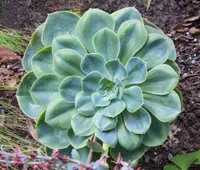
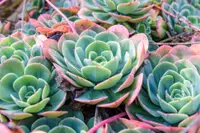
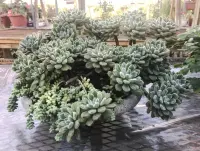
Mexican firecracker (Echeveria setosa) is a small, clumping succulent known for its fuzzy, spoon-shaped leaves arranged in tight rosettes. The fine hairs give the plant a soft, silvery look and help it tolerate sun and brief dryness.

In nature, it grows on rocky slopes in central Mexico, where it receives bright light and fast-draining soil. This background makes it well suited to container life and rock gardens in dry, mild climates.

It is considered an easy plant for beginners, as long as overwatering is avoided and light is sufficient. Understanding how to care for Mexican Firecracker mainly involves balancing strong light with infrequent watering.

Main Plant Requirements

Care Difficulty

Easy Care

Light Preference

Full Sun

Water Requirements

Low Water

Temperature Preference

Tropical / Frost Sensitive

Hardiness Zone

9–11

Soil Texture

Sandy, Loamy, Rocky

Soil pH

Slightly acidic (6.5–7.0), Neutral (7.0)

Soil Drainage

Well-drained

Fertilization

Minimal (feed rarely)

Get Personalized Care Plan

Scan your plant to receive care tips personalized for your specific plant

Personalized Care in the App

Available on iOS and Android

How to Care for the Mexican Firecracker

This compact succulent needs bright light to stay dense and colorful.

  • Provide 4–6 hours of direct morning sun with bright, filtered light the rest of the day, especially in spring and fall.
  • Tolerates light afternoon sun in mild climates, but in hot regions protect Mexican Firecracker from harsh midday summer sun to prevent leaf scorch.
  • If rosettes stretch, lean, or lose color, increase light gradually over 7–10 days to avoid sunburn, particularly after cloudy periods or winter.

This species prefers deep, infrequent watering with thorough drying between waterings.

  • Water only when the top 3–5 cm of soil are completely dry; in warm growing seasons this may be every 7–14 days, less often in cool weather.
  • Use sharply draining, gritty soil so water runs through quickly and no water pools around the crown or in rosette centers.
  • Overwatering shows as soft, translucent, or yellowing leaves and a mushy base; underwatering shows as wrinkled, limp leaves that recover after a careful soak.

This succulent prefers warm, dry conditions and is sensitive to frost and prolonged damp cold.

  • Ideal growing temperatures are 65–80°F (18–27°C) during the day and 55–65°F (13–18°C) at night for compact, healthy rosettes.
  • Protect from frost; sustained exposure below 32°F (0°C) can kill tissue, so move plants or cover them if a freeze is forecast.
  • In hot weather above 90°F (32°C), provide light shade and good airflow; keep roots slightly cooler and avoid cold, wet soil in winter around 40–50°F (4–10°C).

This species prefers dry air and thrives in low-humidity indoor conditions.

  • Target 30–50% humidity, similar to most heated or air-conditioned homes.
  • Mexican Firecracker tolerates very dry air, but avoid frequent misting that wets the leaves and can promote rot.
  • Watch for fungal spots or mushy leaf bases as signs of excess humidity and improve air movement instead of adding moisture.

This succulent needs a very fast-draining, mineral-based soil mix to prevent root rot.

  • Use a sandy or gritty mix, such as 50–70% inorganic material (pumice, coarse perlite, or grit) with 30–50% cactus potting soil.
  • Aim for slightly acidic to neutral pH around 6.0–7.0, which suits Echeveria setosa and helps nutrient availability.
  • Increase aeration by using large particle sizes (2–5 mm) and avoiding fine peat that compacts when dry.
  • Avoid dense, water-retentive garden soil or straight compost, which hold moisture around the roots for too long.

This species is very suitable for container growing due to its compact, shallow root system.

  • Choose a wide, shallow pot so roots spread laterally and the rosette stays centered and stable.
  • Select unglazed terracotta if extra evaporation is needed in humid or cool climates to reduce moisture retention.
  • Elevate the container slightly on feet or pot risers so drainage holes clear runoff quickly and the root zone stays aerated.

This succulent benefits from light feeding, so Mexican Firecracker fertilization should stay modest to avoid weak, stretched growth.

  • Use a balanced liquid fertilizer (around 10-10-10 or 20-20-20) diluted to 25–50% strength for potted Echeveria setosa.
  • Apply every 4–6 weeks during the active growing season in spring and summer only.
  • Skip or greatly reduce feeding in fall and winter when growth slows and the plant rests.
  • Avoid rich compost or heavy slow-release products that keep soil moist and can promote root rot.

Pruning Echeveria setosa focuses on cleanliness and compact shape rather than heavy cutting back.

  • Best time is late winter to early spring, before strong new growth begins.
  • Remove dead, yellowing, or damaged leaves by gently twisting them off at the base.
  • Trim spent flower stalks close to the rosette with clean, sharp scissors or pruners.
  • Clearing old foliage improves airflow, reduces rot risk, and keeps the rosette neat and symmetrical.

This succulent grows slowly and does not need frequent repotting, but timely moves prevent root congestion and soil exhaustion.

  • Check for roots circling the pot base, very slow growth, or soil that dries extremely fast; these indicate repotting needs.
  • Plan repotting in spring, every 2–3 years, using a slightly larger pot with fresh, gritty cactus or succulent mix.
  • Lift the plant gently, loosen circling roots lightly, and remove old, soggy soil without breaking healthy roots.
  • After repotting, keep Echeveria setosa slightly dry for 5–7 days to allow any root wounds to callus and reduce rot risk.

New plants of Echeveria setosa are commonly produced from offsets and leaf cuttings under warm, bright conditions.

  • Best season is spring to early summer, when growth and root formation are most active.
  • Separate offsets with a clean knife, keeping some roots attached, then plant in dry, well-draining mix.
  • For leaf cuttings, detach full, healthy leaves, let cut ends callus 2–3 days, then lay on barely moist substrate.
  • Seeds can germinate in 65–75°F warmth under bright, indirect light, but this method is slower and less predictable.

This succulent is frost sensitive and needs protection in regions with freezing winters.

  • Keep plants above about 35–40°F; prolonged frost can scar or kill rosettes.
  • In cold climates, grow in containers and move indoors to a bright, cool, dry spot for winter.
  • Water very sparingly in winter, allowing soil to dry fully between light waterings.
  • Outdoors in mild zones, use a gritty, raised bed and a light gravel mulch to keep the crown dry.

Care Tips

Gentle grooming

Use a soft, dry artist’s brush to gently clean dust and debris from the hairy leaves every 1–2 months so the plant can photosynthesize efficiently without damaging the delicate leaf hairs.

Strategic offset removal

When offsets have at least 4–5 leaves and a visible stem, gently twist them off with clean fingers, let them callus for 2–3 days, then pot separately to maintain the mother rosette’s shape and vigor.

Shallow pot selection

Choose a wide, shallow pot rather than a deep one to match the plant’s shallow root system, which improves drying between waterings and reduces the risk of hidden root rot.

Post-bloom cleanup

After flower stalks dry and fade, cut them off at the base with sterilized scissors to prevent energy waste and reduce hiding spots for mealybugs and other pests.

Careful outdoor acclimation

When moving the plant outdoors for summer, introduce it to direct sun over 7–10 days using bright shade or a shade cloth so the hairy leaves do not scorch during the transition while still growing Mexican Firecracker successfully.

Common Pests and Diseases

Mealybugs

This pest feeds on leaf bases and between the hairy rosettes, sucking sap and weakening the plant over time. Symptoms include white cottony clusters, sticky honeydew, and distorted new growth.

Solution

Isolate the plant, then use a cotton swab dipped in 70% isopropyl alcohol to dab all visible insects, especially in the tight leaf axils. Follow with a thorough spray of insecticidal soap or a neem oil solution every 7–10 days until no new mealybugs appear, and reduce excess humidity and crowding during treatment.

Woolly aphids

These insects hide in the dense hairs and inner rosette, where they suck sap and can cause stunted growth and deformed leaves. Symptoms include fuzzy white patches deep in the rosette and sticky residue on lower leaves or nearby surfaces.

Solution

Rinse the plant with a firm but gentle stream of water to dislodge colonies, then treat with insecticidal soap, ensuring coverage into the center of the rosette. Repeat applications weekly until pests are gone and avoid high nitrogen fertilizer that encourages soft, attractive growth.

Spider mites

This pest takes advantage of dry, warm conditions on the hairy leaves, causing tiny pale speckles and a dull, dusty look. Symptoms include fine webbing between leaves and gradual loss of vigor.

Solution

Shower the plant with lukewarm water to remove mites and webs, keeping the foliage dry afterward by allowing good airflow. Apply a miticide labeled for houseplants or a neem oil spray to both upper and lower leaf surfaces every 7–10 days, and avoid placing the plant in very hot, stagnant, dry air.

Edema

This disorder occurs when roots take up water faster than the leaves can release it, which is more likely in a hairy rosette that dries slowly. Symptoms include small corky patches or blisters on leaves, often after sudden changes in watering or humidity.

Solution

Allow the soil to dry more thoroughly between waterings and avoid sudden heavy soakings after a dry spell. Improve light levels and airflow, keep temperatures stable, and water in the morning so foliage and the rosette dry more quickly, which supports more stable Echeveria setosa plant care.

Interesting Facts

Hairy leaf adaptation

The leaves are densely covered with fine, white hairs that help reduce water loss and protect the tissues from intense sunlight in its native Mexican highlands.

Rosettes stay compact

Even at maturity, rosettes usually remain relatively small and low to the ground, an adaptation that helps the plant avoid wind damage and conserve moisture in rocky habitats.

Mountain habitat specialist

This species is naturally found on rocky slopes and cliffs in Puebla, Mexico, where it grows in shallow, fast-draining soils with strong light and marked temperature shifts between day and night.

Botan icon

Did you know?

The soft hairs on the leaves and flower stalks can trap dew and light mist, providing a minor but useful extra source of moisture in its dry, highland habitat.

FAQs about Mexican Firecracker

Lack of flowers usually comes from insufficient light, no cool winter rest, or excess nitrogen fertilizer. Provide bright conditions, a slightly cooler, drier winter, and a lean, well-drained mix to support regular spring bloom formation.

Grow Healthy Plants with Botan Care

Keep your plants happy and healthy with plant identification, disease detection, and easy care guidance.

Botan plant care app — identify plants on mobile

Explore More Plants