Train Upright Growth
Provide a sturdy moss pole or bark totem and loosely tie new vines to it with soft plant ties so the plant can climb and produce larger, more deeply lobed leaves over time.

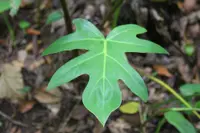
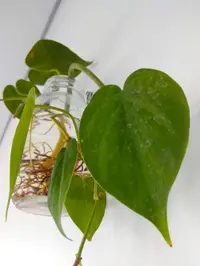
Philodendron bipennifolium is a tropical climbing aroid grown mainly for its unusual, deeply lobed leaves that can resemble a violin or horse head as they mature. It is typically grown as a foliage houseplant, trained on a moss pole or support to encourage larger, more divided leaves.
This species comes from warm, humid forests of South America, where it grows as an epiphyte or climber on trees. In homes, it is considered moderately easy if its basic needs are met.
It prefers bright, indirect light, lightly moist but well-drained soil, and stable warmth, which makes how to care for Philodendron bipennifolium relatively straightforward for most indoor growers.

Care Difficulty
Moderate Care

Light Preference
Bright Indirect Light

Water Requirements
Moderate Water

Temperature Preference
Tropical / Frost Sensitive

Hardiness Zone
10–11

Soil Texture
Loamy, Peaty, Organic-rich

Soil pH
Acidic (5.5–6.5), Slightly acidic (6.5–7.0)

Soil Drainage
Moist but well-drained

Fertilization
Light (every 4–6 weeks)
Scan your plant to receive care tips personalized for your specific plant
Available on iOS and Android
This aroid prefers bright, filtered light that mimics dappled forest shade.
Watering should keep the root zone evenly moist but never saturated for long periods.
Stable warm conditions support steady growth and reduce stress on this tropical climber.
This species benefits from moderately high, stable humidity to keep foliage healthy and growth steady.
Use a loose, airy, organic-rich mix that balances moisture retention with rapid drainage.
This climbing species adapts very well to container growing when the pot supports its vertical habit and root needs.
This plant responds well to modest, consistent feeding during the active growing season.
Thoughtful pruning helps maintain a manageable size and healthy structure.
Repotting supports root health and steady growth in containers.
Stem cuttings are the most practical method for home propagation.
This tropical plant needs protection from cold in most temperate climates.

Plant Health Check
Not sure what's wrong with your plant? Check your plant's health inside the app.
Mature leaves can develop a narrow middle with flared lobes at both ends, creating a shape that resembles a violin or horse head and helps distinguish it from many other philodendrons.
In its native tropical habitats of South America, this species grows as an epiphyte or hemi-epiphyte, using aerial roots to climb trees toward brighter light in the forest canopy.
Leaf shape and lobing change noticeably as the plant matures, with juvenile leaves often simpler and smaller, then gradually developing deeper cuts and a more complex outline under stable, high-humidity conditions.

The species name bipennifolium refers to the leaves being divided in a way that suggests a double-pinnate pattern, a reference to the multiple lobes that can give each leaf a feather-like outline when fully developed on mature plants.
Brown edges or tips usually come from low humidity, underwatering, salt buildup from fertilizer, or hot, dry air. Flush the potting mix occasionally, maintain moderate humidity, avoid drafts, and adjust watering so the root ball never fully dries out.
Keep your plants happy and healthy with plant identification, disease detection, and easy care guidance.