


Divide Mature Clumps
Every 4–6 years, divide the plant in early spring by cutting the rhizome into sections with at least 3–4 healthy leaves each, then pot divisions into fresh mix to rejuvenate growth and create new plants.


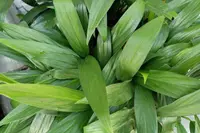
The cast iron plant, Aspidistra elatior, is a tough, long-lived foliage plant grown mainly for its deep green, lance-shaped leaves. It forms low, arching clumps and grows slowly from underground rhizomes, making it stable and long-lasting in containers or shaded beds.
This species is native to the forest floors of East Asia, where it adapts to low light and irregular moisture. Its durability and tolerance of neglect explain the common name cast iron plant and make it suitable for low-maintenance homes and offices.
Because it tolerates shade, dry indoor air, and occasional missed watering, it is considered easy to grow. Understanding how to care for Cast Iron Plant starts with providing stable shade, moderate moisture, and well-drained soil.

Care Difficulty
Easy Care

Light Preference
Partial Shade

Water Requirements
Moderate Water

Temperature Preference
Warm Climate

Hardiness Zone
7–11

Soil Texture
Loamy, Clay, Organic-rich

Soil pH
Acidic (5.5–6.5), Slightly acidic (6.5–7.0)

Soil Drainage
Moist but well-drained

Fertilization
Minimal (feed rarely)
Scan your plant to receive care tips personalized for your specific plant
Available on iOS and Android
Aspidistra elatior prefers low to moderate light and is adapted to shaded conditions.
Aspidistra elatior prefers evenly moist but never waterlogged soil.
This species tolerates a broad temperature range but grows best in mild, stable conditions.
Aspidistra elatior tolerates a wide humidity range and usually does well in typical heated or air-conditioned homes.
Aspidistra elatior prefers a loose, airy mix that drains freely but holds moderate moisture.
This species is well suited to containers for both indoor and shaded outdoor positions.
Aspidistra elatior needs only light feeding, as it is adapted to low-nutrient conditions.
Pruning Aspidistra elatior is mainly cosmetic and helps keep the clump neat and healthy.
This slow-growing plant tolerates tight pots and only needs infrequent repotting or division.
Aspidistra elatior is usually propagated by division, as seeds are slow and less reliable.
This plant is quite cold tolerant and usually needs only minimal winter care in mild climates.

Plant Health Check
Not sure what's wrong with your plant? Check your plant's health inside the app.
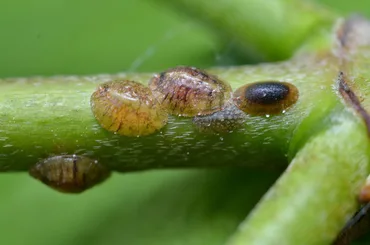
This pest attaches to the stiff leaves and stems, appearing as small brown, tan, or black bumps that excrete sticky honeydew.
Symptoms include yellowing patches, weak growth, and sooty mold on leaf surfaces.
Solution
Wipe leaves and stems with a cloth dipped in lukewarm soapy water or 70% isopropyl alcohol to remove adults and nymphs, repeating weekly until clear.
For larger infestations, use a targeted horticultural oil or insecticidal soap, making sure to coat the undersides of leaves.
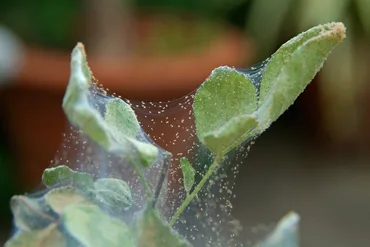
These insects thrive on cast iron plants kept too dry and warm, causing fine speckling, dulling of leaves, and sometimes light webbing along leaf edges.
Symptoms include gradual yellowing and a dusty look to foliage, especially on older leaves.
Solution
Rinse foliage thoroughly with a strong but controlled stream of lukewarm water, then increase humidity and avoid hot air.
If needed, apply insecticidal soap or a miticidal horticultural oil every 7–10 days until new growth appears clean.
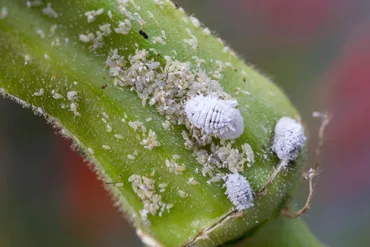
This pest hides in leaf bases and along midribs, forming white cottony clusters and producing sticky honeydew.
Symptoms include distorted new leaves, slow growth, and occasional leaf drop in severe cases.
Solution
Use a cotton swab dipped in 70% isopropyl alcohol to dab and remove visible insects, then wipe leaves and leaf bases carefully.
For persistent colonies, apply insecticidal soap or horticultural oil, checking and retreating every 7–10 days until no new bugs appear.
This species produces its small, star-shaped purple-brown flowers at soil level, often partly hidden by the leaves, which makes them easy to miss in indoor conditions.
In its native habitats in Japan and China, this plant grows on forest floors under dense tree canopies, which explains its ability to tolerate very low light compared with most common houseplants.
During the Victorian era in Britain, this species became popular in dark, smoky interiors and was valued as a symbol of toughness because it survived poor light and irregular attention better than most ornamental plants.

The flowers of this species are pollinated in nature by ground-dwelling invertebrates such as slugs and small crustaceans, an unusual pollination strategy for a terrestrial houseplant, and a likely reason why it sets seed very rarely indoors.
Yellowing leaves usually come from overwatering, compacted or poorly drained soil, or natural aging of older foliage. Check the root zone for sogginess, adjust watering, and remove only the oldest, fully yellow leaves.
Keep your plants happy and healthy with plant identification, disease detection, and easy care guidance.

Tillandsia juncea
Tillandsia juncea
Horse's Teeth
Haworthia truncata
 POPULAR
Bristle Haworthia
Haworthia cooperi
Dieffenbachia parlatorei
Dieffenbachia parlatorei
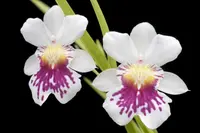
Miltoniopsis phalaenopsis
Miltoniopsis phalaenopsis
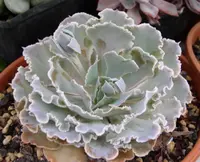
Mexican hens and chicks
Echeveria shaviana
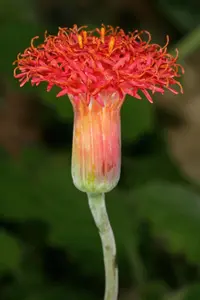
Kleinia stapeliiformis
Kleinia stapeliiformis
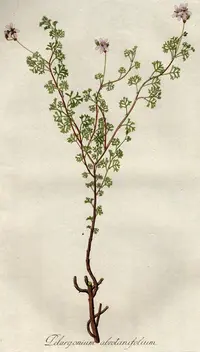
Southernwood-leaf Storksbill
Pelargonium abrotanifolium