Wind protection planning
Position shrubs behind fences, walls, or larger evergreens to shield them from drying winter winds, which helps prevent leaf scorch and dieback in exposed sites.

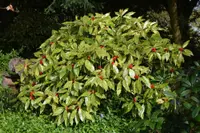
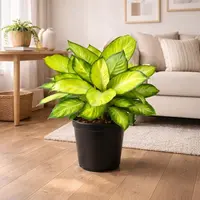
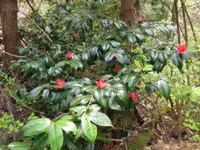
Japanese laurel, Aucuba japonica, is an evergreen shrub valued for its glossy, often gold-speckled leaves and dense, rounded habit. It grows slowly and stays compact, which suits small gardens and shaded corners.
This species is native to woodland areas of Japan, China, and nearby regions, where it naturally tolerates low light and cool conditions. Its strong shade tolerance and general resilience make it suitable for beginners who want to learn how to care for Japanese Laurel.
It usually prefers partial to deep shade, evenly moist but well-drained soil, and shelter from harsh sun and strong wind.

Care Difficulty
Easy Care

Light Preference
Partial Shade

Water Requirements
Moderate Water

Temperature Preference
Cool Climate

Hardiness Zone
6–10

Soil Texture
Loamy, Clay, Organic-rich

Soil pH
Acidic (5.5–6.5), Slightly acidic (6.5–7.0)

Soil Drainage
Moist but well-drained

Fertilization
Minimal (feed rarely)
Scan your plant to receive care tips personalized for your specific plant
Available on iOS and Android
This shade-tolerant shrub prefers low to moderate light rather than direct sun.
This plant prefers evenly moist but not saturated soil.
This shrub is quite tolerant of cool conditions but benefits from moderate temperatures.
This shrub tolerates a wide humidity range but benefits from moderately moist air indoors.
Aucuba japonica prefers moist, aerated soil with strong drainage and high organic content.
This species adapts well to container growing on patios, balconies, or shaded entries.
Aucuba japonica grows well with modest feeding, especially when grown in containers or poor soil.
Pruning Aucuba japonica helps maintain shape, encourage bushier growth, and remove damaged wood.
Aucuba japonica is often grown in the ground but also adapts well to containers when transplanted carefully.
New Aucuba japonica plants are most reliably produced from semi-ripe stem cuttings.
Mature Aucuba japonica is generally cold hardy but young or potted plants benefit from some winter care.

Plant Health Check
Not sure what's wrong with your plant? Check your plant's health inside the app.
This species naturally grows in the shaded understory of forests in Japan, Korea, and Taiwan, which explains its unusual tolerance of deep shade compared with many other evergreen shrubs.
Aucuba japonica is dioecious, meaning male and female flowers occur on separate plants, so only female plants that receive pollen from a male produce the glossy red berries often seen in winter.
The yellow speckles and blotches on many cultivated forms are caused by stable genetic variegation in the leaf tissue, not by disease or nutrient problems, and have been selected over centuries of ornamental breeding.

The first plants of Aucuba japonica introduced to Europe in the late 18th century were all female, so the species was nicknamed the "evergreen laurel" that never fruited until male plants finally arrived decades later, allowing berry production in Western gardens.
Browning leaves usually result from cold wind, strong direct sun, or irregular watering. Salt buildup in soil and root rot can also cause brown margins. Trim damaged foliage and correct exposure, drainage, and watering habits.
Keep your plants happy and healthy with plant identification, disease detection, and easy care guidance.