Panicled Hydrangea Care (Hydrangea paniculata)

About Panicled Hydrangea

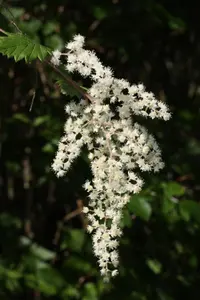
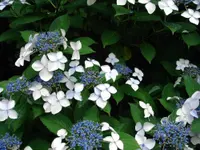
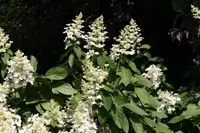
Panicled hydrangea, Hydrangea paniculata, is a hardy deciduous shrub valued for its cone-shaped flower clusters that often change color as the season progresses. It typically forms a rounded to upright shape and can develop into a substantial landscape shrub or small multi-stemmed tree.

This species is native to eastern Asia, especially China and Japan, and adapts well to many temperate gardens. It tends to be easier to grow than many other hydrangeas, thanks to its tolerance of colder climates and a range of soil conditions.

It generally prefers sun to light shade, evenly moist but well-drained soil, and benefits from consistent care for Panicled Hydrangea to maintain strong flowering and a balanced shape.

Main Plant Requirements

Care Difficulty

Moderate Care

Light Preference

Partial Sun

Water Requirements

Regular Water

Temperature Preference

Cold Hardy

Hardiness Zone

3–8

Soil Texture

Loamy, Clay, Organic-rich

Soil pH

Acidic (5.5–6.5), Slightly acidic (6.5–7.0)

Soil Drainage

Moist but well-drained

Fertilization

Light (every 4–6 weeks)

Get Personalized Care Plan

Scan your plant to receive care tips personalized for your specific plant

Personalized Care in the App

Available on iOS and Android

How to Care for the Panicled Hydrangea

This shrub prefers bright conditions with some protection from intense afternoon sun.

  • Provide 4–6 hours of direct morning sun with light or dappled shade after midday, especially in hotter regions.
  • Tolerates partial shade (as little as 3–4 hours of sun), but too much shade reduces flowering and can cause weak, stretchy growth in Panicled Hydrangea.
  • In cooler climates, it can handle full sun if soil stays evenly moist; watch for leaf scorch on very hot, dry days and increase shade or mulch if needed.

This species needs consistently moist, well-drained soil and dislikes both drought and waterlogging.

  • Water when the top 3–5 cm of soil feels dry, applying a deep soak rather than light splashes to encourage strong roots.
  • Increase watering in hot, dry periods and during flowering; reduce frequency in cool or rainy weather, but do not allow the root zone to fully dry out.
  • Soil should drain within a few hours; yellowing leaves and limp, blackened stems suggest overwatering, while drooping leaves that perk up after watering indicate mild drought stress in Hydrangea paniculata.

This hardy shrub tolerates a wide temperature range but flowers best in moderate conditions.

  • Active growth and flowering are strongest at 60–75°F (16–24°C), with sustained extremes reducing bloom quality and overall vigor.
  • Mature plants typically survive winter down to about -20°F (-29°C) when planted in the ground and mulched; late spring frosts can damage young shoots.
  • In summer, it copes with short heat waves up to about 90–95°F (32–35°C) if soil moisture is maintained; extended heat and dry winds increase wilt and leaf scorch risk.

This shrub tolerates a wide humidity range but performs best in moderate ambient moisture.

  • Aim for 40–60% humidity, typical of most outdoor garden conditions in temperate regions.
  • Dry, hot air can cause marginal leaf browning and quicker wilting, especially in containers.
  • For caring for Panicled Hydrangea in dry climates, group plants, mulch the root zone, and avoid hot reflected surfaces that intensify moisture loss.

Hydrangea paniculata prefers evenly moist, well-structured mineral soil with high organic matter.

  • Use a loamy mix combining native garden soil with 30–40% compost to improve structure and water-holding capacity.
  • Ensure drainage by avoiding heavy, compacted clay; incorporate coarse sand or fine bark if water lingers after rain.
  • Target slightly acidic to neutral pH, roughly 5.5–7.0, since strongly alkaline soil can cause leaf chlorosis and poor flowering.
  • Avoid waterlogged or very sandy sites by improving structure: add organic matter for moisture balance and grit or perlite for aeration.

This species adapts well to container growing when the pot is sized and stabilized correctly.

  • Choose a deep, heavy container to balance the top-heavy canopy and reduce tipping in wind or on balconies.
  • Select thick-walled or glazed pots if sun-exposed, as they slow moisture loss compared with thin plastic or unglazed clay.
  • Raise the pot on feet or blocks so drainage holes stay clear and excess water escapes rapidly after rain or irrigation.

Hydrangea paniculata responds well to moderate, consistent nutrition during the growing season.

  • Use a balanced slow-release fertilizer (for example 10-10-10) or a thin layer of compost in early spring.
  • Feed every 6–8 weeks from early spring to midsummer, then stop to allow wood to harden.
  • Apply at half the label rate for young or container plants to reduce salt stress.
  • Avoid fertilizing in late fall or winter, as the plant is dormant and excess nutrients can harm roots.

Pruning helps maintain structure and flowering performance in Hydrangea paniculata.

  • Prune in late winter or very early spring before new growth breaks, as flowers form on new wood.
  • Remove dead, damaged, crossing, or inward-growing stems with clean bypass pruners.
  • Shorten remaining stems by about one-third to shape the shrub and encourage strong flowering shoots.
  • Thin out some older, thick stems at the base every few years to improve light and air movement.

Transplanting is more common than repotting for this shrub, which is usually grown in the ground.

  • Move plants in early spring or fall when temperatures are mild and moisture is more consistent.
  • Look for signs like roots circling the pot, slow growth, or frequent wilting before shifting container Panicled Hydrangea to a larger pot.
  • Transplant with a wide root ball, keeping the crown at the same soil level in a larger hole enriched with compost.
  • Water thoroughly after planting, then keep soil evenly moist and shade from intense sun for 1–2 weeks to reduce transplant shock.

Hydrangea paniculata is commonly propagated vegetatively to maintain cultivar traits.

  • Take softwood or semi-ripe cuttings in late spring to midsummer, 10–15 cm long with at least 2 nodes.
  • Remove lower leaves, dip the cut end in rooting hormone, and insert into a moist, free-draining mix.
  • Maintain high humidity and bright, indirect light at 65–75°F until roots form in several weeks.
  • Simple layering also works; bend a low stem to the ground, wound slightly, pin it down, and cover with soil until rooted.

This shrub is generally cold hardy, so winter care needs are modest in most temperate climates.

  • Plants in the ground tolerate freezing conditions once established, especially in USDA zones suited to Hydrangea paniculata care.
  • Apply a 5–8 cm mulch layer over the root zone in late fall, keeping mulch slightly away from the stems.
  • Leave spent flower heads on in colder regions to give light stem protection and remove them in late winter.
  • Move container plants to a sheltered, unheated but frost-moderated spot and water sparingly to keep soil just barely moist.

Care Tips

Stake Young Stems

Install discreet stakes and soft ties around new plantings in windy or exposed sites so the long, flower-heavy stems do not bend or snap during summer storms.

Rotate Flowering Wood

Each late winter, remove a few of the oldest, thickest stems right to the base to encourage a steady supply of new shoots that carry stronger, larger flower panicles.

Support Heavy Panicles

In late summer, use unobtrusive rings or bamboo hoops to support branches carrying oversized panicles, especially on cultivars with very large blooms, to prevent stems from flopping outward.

Manage Flower Weight With Water

Before major rain events, lightly thin the newest panicles on weak stems so blooms hold less water, which reduces the chance of branches splitting under the extra weight.

Use Flowers As Stress Indicator

Watch developing panicles for subtle flagging or premature browning during heat waves, which can signal root-zone stress and help fine-tune irrigation when caring for Panicled Hydrangea.

Common Pests and Diseases

Leaf spots

This disease causes brown, tan, or purple spots on leaves, often with a defined edge and sometimes a yellow halo. Symptoms include premature leaf drop, especially in humid, poorly ventilated conditions.

Solution

Remove and discard heavily spotted leaves and any fallen debris around the plant to reduce infection sources. Improve air circulation, avoid wetting foliage when watering, and if spotting progresses, apply a labeled copper or chlorothalonil fungicide according to Hydrangea paniculata care instructions and local guidelines.

Powdery mildew

This disease produces a white to gray powdery coating on the upper or lower leaf surfaces and sometimes on stems. Symptoms include distorted new growth and reduced vigor, most often in warm days and cool, humid nights.

Solution

Thin crowded stems to improve airflow and avoid overhead watering, especially in the evening. Remove the worst affected leaves, then use a labeled horticultural oil, sulfur, or potassium bicarbonate spray applied thoroughly to both sides of leaves as directed on the product label.

Aphids

These insects cluster on tender shoots, buds, and leaf undersides, sucking sap and excreting sticky honeydew. This pest can cause curled or distorted growth and may encourage sooty mold on leaves.

Solution

Spray stems and leaves with a firm stream of water to knock aphids off and repeat as needed. For persistent infestations, treat with insecticidal soap or a light horticultural oil, ensuring full coverage of growing tips and leaf undersides.

Scale insects

These insects appear as small, oval, tan or brown bumps on stems and sometimes leaf midribs. This pest feeds on sap, leading to weakened growth, yellowing leaves, and sticky honeydew in severe cases.

Solution

Prune out and discard heavily infested stems and gently scrape off individual scales if numbers are low. For broader infestations, use a horticultural oil spray during the growing season for contact control and consider a labeled systemic insecticide in severe, recurring cases.

Botrytis blight

This disease causes brown, water-soaked lesions on flowers, buds, and young shoots that turn tan or gray and may be covered with fuzzy gray mold in wet weather. Symptoms include blighted flower clusters that fail to open and soft, collapsing tissue.

Solution

Remove and discard all affected flower heads and soft, infected tissue, and keep the area around the plant free of spent blooms and debris. Improve air circulation, avoid overhead watering, and in prolonged wet conditions use a labeled fungicide for botrytis on hydrangeas if cultural measures are not sufficient.

Interesting Facts

Cold-hardy shrub form

This species tolerates much colder winters than many other hydrangeas and can survive in-ground in regions with sustained freezing temperatures, which contributes to its popularity in northern climates.

Cone-shaped panicle blooms

Unlike the rounded flower heads of bigleaf hydrangeas, this species produces elongated, cone-shaped clusters of small flowers that can reach up to 20–30 cm in length on mature plants.

Color change with age

While soil pH does not shift its flowers from blue to pink, the mostly sterile florets often open white or greenish-white and naturally age to pink, rose, or even wine-red over the season due to pigment changes in the petals.

Botan icon

Did you know?

In its native range in eastern Asia, this species often colonizes forest edges and stream banks, where its dense, late-season panicles provide nectar and pollen for a wide range of pollinating insects at a time when many other woody plants have already finished flowering.

FAQs about Panicled Hydrangea

Poor flowering usually comes from too much shade, excessive nitrogen fertilizer, or heavy pruning at the wrong time. Ensure strong light, limit high-nitrogen lawn fertilizers nearby, and prune lightly in late winter to early spring only.

Grow Healthy Plants with Botan Care

Keep your plants happy and healthy with plant identification, disease detection, and easy care guidance.

Botan plant care app — identify plants on mobile

Explore More Plants