Beach Rose Care (Rosa rugosa)

Also known as: japanese rose, Ramanas rose, Romany Rose, Beach Rose

About Beach Rose

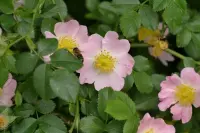
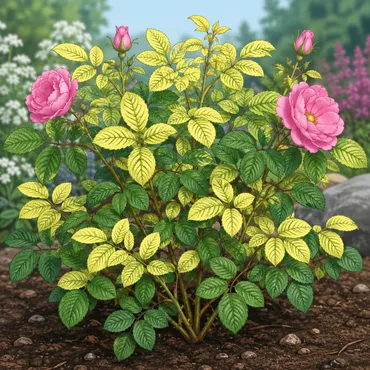
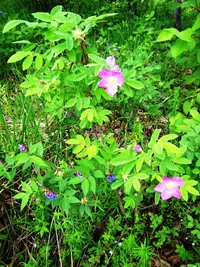
Beach rose, Rosa rugosa, is a hardy deciduous shrub rose known for its dense, thorny stems and crinkled, textured leaves. It forms a rounded, bushy shape and often spreads by suckers to create thickets.

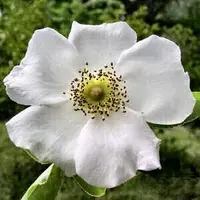
The plant produces fragrant single flowers in shades of pink or white, followed by large, showy rose hips that attract birds and add seasonal interest. It is native to coastal areas of northeastern Asia but is widely planted in coastal and cold climates in North America and Europe.

Rosa rugosa is valued for its salt tolerance, cold hardiness, and general toughness, which makes it easier to grow than many hybrid roses. It thrives in full sun and well-drained soil, and this resilience simplifies how to care for Beach Rose in typical home gardens.

Main Plant Requirements

Care Difficulty

Easy Care

Light Preference

Full Sun

Water Requirements

Moderate Water

Temperature Preference

Cold Hardy

Hardiness Zone

2–7

Soil Texture

Sandy, Loamy, Rocky

Soil pH

Acidic (5.5–6.5), Slightly acidic (6.5–7.0)

Soil Drainage

Well-drained

Fertilization

Minimal (feed rarely)

Get Personalized Care Plan

Scan your plant to receive care tips personalized for your specific plant

Personalized Care in the App

Available on iOS and Android

How to Care for the Beach Rose

This shrub thrives in full sun but accepts some light shade, especially in hot climates.

  • Provide 6–8 hours of direct sun daily; 4–6 hours is acceptable but flowering and hip production may decrease.
  • Aim for morning sun with light afternoon shade in very hot regions to reduce leaf scorch and faded blooms when caring for Beach Rose.
  • In cooler or coastal climates, expose plants to full sun all day; in dense shade, expect sparse growth, weak stems, and fewer flowers.

This rose prefers consistent moisture in well-drained soil rather than constant wetness.

  • Water when the top 3–5 cm of soil feels dry, soaking the root zone deeply, then allow excess water to drain away.
  • In the first growing season, monitor Rosa rugosa weekly in dry periods; mature plants often need watering only during prolonged droughts.
  • Yellowing, soft leaves and a sour smell indicate overwatering, while crisp leaves, drooping stems, and dry, cracked soil point to underwatering.

This species is notably cold hardy yet also tolerates a wide range of summer temperatures.

  • Active growth is strongest around 60–75°F (16–24°C), with flowering and foliage quality best in cooler summer conditions.
  • Plants tolerate winter lows down to about -20°F (-29°C) once established, surviving deep frost and snow cover without protection in many climates.
  • During heat above 90°F (32°C), flowering may slow; provide mulch to keep roots cooler and reduce stress during hot, dry spells.

Rosa rugosa is adaptable and usually performs well in typical outdoor humidity levels.

  • Target a humidity range around 30–60% when growing Beach Rose in exposed garden sites.
  • Plants tolerate dry air but may show crisp leaf edges and slower growth in prolonged hot, arid conditions.
  • Increase local humidity slightly by mulching the root zone and grouping shrubs near other vegetation instead of using overhead misting.

Rosa rugosa prefers freely draining, slightly sandy soil that does not stay waterlogged.

  • Use a mix of roughly 50–70% loam or sandy garden soil with 30–50% compost to provide structure and nutrients.
  • Ensure sharp drainage by incorporating coarse sand or fine grit, especially in heavy or compacted ground.
  • Aim for a soil pH around 6.0–7.0; avoid highly acidic or strongly alkaline sites that restrict nutrient uptake.
  • Improve aeration by breaking up subsoil compaction and avoiding locations where water pools after rain.

This species can be grown in containers if the pot is large, stable, and drains efficiently.

  • Choose a deep, heavy container that resists tipping as the shrub becomes woody and top-heavy.
  • Use a gritty mix, such as loam with coarse sand or fine bark, to keep the root zone aerated and prevent soggy conditions.
  • Raise the pot on feet or bricks so drainage holes stay clear and excess water escapes quickly after rain or watering.

Rosa rugosa needs only light feeding, as this species thrives in relatively poor soils.

  • Apply a balanced slow-release rose fertilizer or compost once in early spring as new growth begins.
  • Use a modest rate, at about half the label strength, to avoid overly lush, weak growth in Beach Rose plantings.
  • Skip further feeding once flowering peaks in midsummer unless growth is clearly weak or pale.
  • Do not fertilize in late fall or winter, so the plant can harden off and enter dormancy properly.

Rosa rugosa responds well to thoughtful pruning that maintains an open, flowering shrub.

  • Carry out main pruning in late winter or very early spring before buds break.
  • Remove dead, diseased, crossing, or very weak stems first, cutting back to healthy wood with clean bypass pruners.
  • Thin crowded canes at the base to improve air flow and light, which reduces disease and supports strong flowering.
  • Renew older shrubs by removing a few of the oldest canes each year to encourage vigorous new shoots.

This species is usually grown in the ground, so focus on transplanting rather than container repotting.

  • Transplant Rosa rugosa in early spring or fall, when temperatures are mild and soil is workable.
  • Move plants only when necessary, such as poor performance, overcrowding, or site problems, typically every several years at most.
  • Water deeply a day before digging, then lift with as much root ball as possible to limit root stress.
  • Replant at the same depth in a well-drained, sunny spot, then water thoroughly and keep evenly moist until re-established.

Rosa rugosa is commonly propagated for hedges and naturalistic plantings using several straightforward methods.

  • Take semi-hardwood cuttings in late summer, insert in a gritty, moist medium, and keep humid until roots form.
  • Divide or lift rooted suckers in early spring or fall, replanting them immediately into prepared soil.
  • Sow cleaned seeds outdoors in fall or cold-stratify indoors for 8–12 weeks before spring sowing.
  • Use simple layering by pegging a low, flexible cane under soil until roots develop, then sever and transplant the new plant.

Rosa rugosa is very cold hardy and usually needs minimal winter care in most temperate climates.

  • Plants in the ground tolerate freezing conditions and snow without special wrapping or covers.
  • Apply a 5–8 cm layer of mulch around the root zone in late fall to moderate soil temperature and moisture.
  • For container plants in colder regions, move pots to a sheltered, unheated area or heel them into the ground to protect roots.

Care Tips

Salt‑tolerant placement

Use this shrub as a windbreak or hedge in exposed coastal sites where salt spray damages other plants, since its natural salt tolerance helps protect more sensitive species placed behind it.

Sucker management

Check the base and surrounding soil 2–3 times per season and promptly remove unwanted suckers with a sharp spade to prevent the plant from forming an overly wide thicket.

Efficient deadheading

If you want more repeat blooms, shear back the spent flowering tips of all stems at once with clean hedge shears rather than snipping individual flowers, then rake and remove debris to limit disease carryover.

Winter hip harvest

Leave some flowers un-deadheaded so they form hips, then harvest firm, brightly colored hips in late fall for culinary or decorative use while also providing wildlife food if some are left on the plant.

Low‑spray pest strategy

In most climates avoid routine fungicide or insecticide schedules and instead adopt a spot-treatment approach, since this species is naturally resistant and often stays healthy with only targeted intervention when real problems appear, which is a key advantage when growing Beach Rose in mixed borders.

Common Pests and Diseases

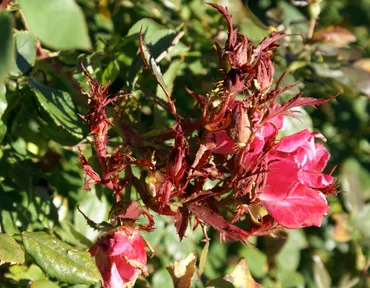
Rose hips gall midge

This pest targets developing flower buds, causing them to brown, shrivel, and drop before opening. Symptoms include distorted or hollow buds with small maggots inside.

Solution

Remove and destroy all affected buds as soon as damage is noticed to break the life cycle. Rake and dispose of plant debris around the base, and in gardens with recurring problems consider using a targeted systemic insecticide in early bud development, following label directions carefully.

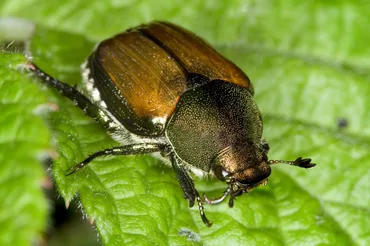
Rose chafer beetle

These insects feed on flowers and foliage, leaving ragged petals and skeletonized leaves, especially on sandy or coastal soils where Rosa rugosa often grows. Damage is often clustered during peak adult emergence in late spring to early summer.

Solution

Hand-pick beetles in the early morning and drop them into soapy water, and shake infested branches over a container to remove more adults. For larger infestations, use floating row covers during peak activity or apply neem oil or another labeled contact product in the evening to reduce impact on pollinators.

Japanese beetle

This pest chews on leaves and flowers, creating lace-like foliage and heavily damaged blooms. Clusters of metallic green and bronze beetles often gather on the most fragrant or light-colored flowers.

Solution

Regularly hand-pick beetles and place them in soapy water, focusing on peak activity times. Avoid placing commercial beetle traps next to plants, as they can attract more insects; instead, position traps at a distance or rely on hand removal and, if needed, spot treatments with neem or other labeled products in the evening.

Rose rust

This disease causes orange, yellow, or brown powdery pustules on the undersides of leaves, often with yellow spotting on the upper surface. Severe infections may lead to leaf yellowing and premature drop, especially in humid, cool conditions.

Solution

Promptly prune and discard affected leaves and stems, and avoid overhead watering to reduce leaf wetness. Improve airflow by thinning dense growth and, in recurring cases, use a sulfur or other rose-labeled fungicide at the first signs of infection as part of broader Rosa rugosa care.

Black spot

This disease produces round black spots with feathery edges on leaves, followed by yellowing and early leaf drop. Symptoms include progressive defoliation from lower to upper parts of the shrub in warm, wet weather.

Solution

Collect and discard fallen leaves, and prune out badly affected shoots to reduce sources of infection. Water at the base, keep the shrub well spaced from others for good airflow, and apply a rose-labeled fungicide preventively or at first spotting, repeating based on label intervals in wet weather.

Interesting Facts

Salt-spray specialist

This species naturally colonizes coastal dunes and beaches, tolerating salt spray, sandy soils, and burial by shifting sand better than most other roses.

Deeply wrinkled leaves

Its thick, strongly corrugated leaves reduce water loss and damage from wind and salt, an adaptation that supports survival in harsh maritime climates.

Persistent, vitamin-rich hips

The large orange-red hips contain unusually high levels of vitamin C and often remain on the shrub well into winter, providing an important food source for birds and small mammals.

Botan icon

Did you know?

In parts of northern Europe and North America, this species has become so successful outside its native East Asian range that it is classed as an invasive coastal shrub, where dense thickets can outcompete native dune vegetation and alter sand movement patterns.

FAQs about Beach Rose

This species spreads strongly by suckering roots and self-seeding, forming dense thickets over time. In many coastal areas it is considered invasive, so containment barriers, regular root pruning, and removal of unwanted seedlings are often necessary.

Grow Healthy Plants with Botan Care

Keep your plants happy and healthy with plant identification, disease detection, and easy care guidance.

Botan plant care app — identify plants on mobile

Explore More Plants