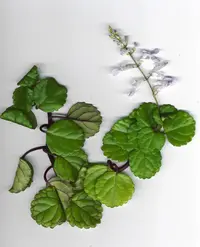
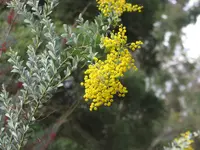
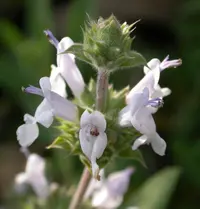
Autumn sage Care (Salvia greggii)

About Autumn sage

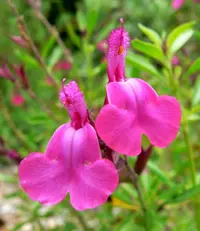
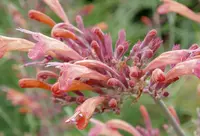
Autumn sage (Salvia greggii) is a compact, woody perennial shrub known for its small leaves and abundant tubular flowers in red, pink, coral, or white tones. It forms a rounded, bushy shape and often blooms over a long season, attracting bees, butterflies, and hummingbirds.

This species is native to dry, rocky regions of Texas and northern Mexico, which explains its good heat and drought tolerance. Because it is relatively tough and forgiving, many gardeners find it straightforward to care for Autumn sage.

Autumn sage prefers full sun, well-drained soil, and moderate watering, making it a good choice for low-maintenance borders, containers, and wildlife-friendly gardens.

Main Plant Requirements

Care Difficulty

Easy Care

Light Preference

Full Sun

Water Requirements

Low Water

Temperature Preference

Warm Climate

Hardiness Zone

7–10

Soil Texture

Sandy, Loamy, Rocky

Soil pH

Slightly acidic (6.5–7.0), Slightly alkaline (7.0–7.5)

Soil Drainage

Well-drained

Fertilization

Minimal (feed rarely)

Get Personalized Care Plan

Scan your plant to receive care tips personalized for your specific plant

Personalized Care in the App

Available on iOS and Android

How to Care for the Autumn sage

This sun-loving shrub flowers best with strong light and open exposure.

  • Provide 6–8 hours of direct sun daily; morning sun with light afternoon shade is ideal in hot summer regions for Autumn sage.
  • In very hot climates, protect from harsh west-facing sun with high, open shade or filtered light to reduce leaf scorch and drought stress.
  • In cooler or coastal areas, full sun all day is acceptable; plants in more than 3–4 hours of shade become leggy and bloom poorly.

This species prefers deep, infrequent watering and dries slightly between soakings.

  • In the ground, water when the top 5–7 cm of soil is dry, giving a slow, deep soak that moistens 15–20 cm down, then allow the soil to dry again.
  • Use sharply drained soil; standing water, heavy clay, or constantly wet conditions lead to root rot, yellowing leaves, and weak, floppy stems in Salvia greggii.
  • In summer heat, monitor for wilting, dull or curling leaves as a sign to water; in cool or rainy seasons, greatly reduce frequency to avoid overwatering.

This plant is adapted to warm, dry climates but tolerates moderate cold.

  • Active growth and best flowering occur around 65–85°F (18–29°C); short spikes above 90°F (32°C) are tolerated if soil drains well and roots are not waterlogged.
  • Established plants usually survive down to about 10–15°F (-12 to -9°C), often dying back to the base but resprouting in spring if roots are protected.
  • In regions with repeated hard frosts, mulch the root zone in late fall; in very hot interiors, reflective heat from walls or pavement can scorch foliage.

This species tolerates low humidity and usually does not need special humidity management.

  • Ideal humidity is around 30–50%, similar to typical indoor air in heated or air‑conditioned homes.
  • Autumn sage handles dry air well; leaves rarely show humidity stress unless combined with heat and drought.
  • If leaf edges brown and the plant wilts, check soil moisture first rather than increasing humidity, since overwatering is a more common problem.

Salvia greggii prefers lean, fast-draining soil that mimics rocky, well-aerated native habitats.

  • Use a sandy or gritty loam with coarse particles that let water pass quickly while retaining some moisture around roots.
  • Aim for slightly acidic to neutral pH, roughly 6.0–7.5, which supports nutrient availability without stressing the plant.
  • Blend potting mix with 30–50% coarse sand, small gravel, or perlite to improve drainage and prevent root suffocation.
  • Avoid heavy clay, waterlogged sites, or mixes high in peat that stay wet for long periods, as these promote root rot.

This species is well suited to container growing in sunny outdoor locations.

  • Choose a wider, heavier pot to stabilize the woody, bushy top growth in windy or exposed spots.
  • Select terracotta or other porous materials if you need faster drying, especially in rainy or humid climates.
  • Use a deep enough container to accommodate a gradually woody root system, reducing the risk of the plant becoming top-heavy and unstable.

Salvia greggii benefits from light feeding but is adapted to lean, well-drained soils.

  • Use a balanced, slow-release fertilizer (around 10-10-10) or a thin layer of compost in spring as growth starts.
  • Feed every 6–8 weeks during the main growing season if soil is poor or flowering declines.
  • Apply fertilizers at half-strength to avoid soft, weak growth and salt buildup in the root zone.
  • Stop feeding Autumn sage in late summer to early fall so growth hardens before winter.

Pruning keeps Salvia greggii compact, encourages fresh growth, and improves flowering.

  • In late winter or very early spring, cut back the whole plant by about one-third to renew shape.
  • During the season, trim spent flower spikes and lightly shorten stems to extend blooming.
  • Remove any dead, damaged, or crossing stems at the base with clean, sharp pruners.
  • Avoid cutting into old, woody bases; leave some leafy growth on each stem to reshoot.

Salvia greggii is usually grown in the ground but can adapt to containers with careful transplanting.

  • Transplant or up-pot in early spring or early fall when temperatures are mild and soil is workable.
  • Check for roots circling the pot, water running straight through, or slowed growth as signs it needs more space.
  • Repot every 2–3 years into a slightly larger container with very well-drained, gritty mix to limit root stress.
  • Water well before and after moving, gently loosen circling roots, then keep soil lightly moist until established.

Salvia greggii is commonly propagated from cuttings, with seeds and division used less often.

  • Take 7–10 cm softwood or semi-ripe cuttings in late spring to late summer from non-flowering shoots.
  • Remove lower leaves, dip the cut end in rooting hormone, and place in a free-draining mix under bright, indirect light.
  • Keep the medium just moist and maintain gentle warmth around 68–75°F for steady rooting.
  • Sow seeds in spring on the surface of light seed mix, barely cover, and maintain even moisture until germination.

In mild climates, Salvia greggii is fairly cold hardy and usually needs only simple winter care.

  • Plants tolerate light frost but may die back in prolonged freezes, especially in containers.
  • Apply a 5–8 cm layer of dry mulch around the root zone in late fall, keeping stems uncovered.
  • In colder regions, move potted plants to a bright, cool, frost-free spot for winter.

Care Tips

Shear For Rebloom

Use hedge shears to lightly trim back spent flower spikes by 5–10 cm after the main flush to encourage a denser second bloom and keep the plant compact.

Rotate For Even Shape

Rotate container or front-border plants a quarter turn every 2–3 weeks in the growing season so all sides receive similar light and the mound stays balanced rather than leaning toward the sun.

Winter Drainage Check

Before winter rains, confirm the planting area sheds water within 1–2 hours after heavy irrigation; if water lingers, slightly raise the plant on a low berm of gravelly soil to reduce root loss in cold, wet spells.

Targeted Dead Stem Removal

In late winter, inspect crowns and cut out only brittle, gray, non-leafing stems at the base while leaving flexible, greenish stems that will still bud, which keeps the plant productive without over-thinning it.

Pollinator-Friendly Spacing

Space plants so flower spikes from neighboring clumps just meet but do not overlap heavily, which improves air circulation, reduces foliar disease, and makes caring for Autumn sage easier while still supporting pollinators.

Common Pests and Diseases

Spider mites

This pest thrives in hot, dry conditions and feeds on the undersides of leaves, causing stippling, dull foliage, and fine webbing. Symptoms include slowed growth and general loss of vigor, especially in stressed plants.

Solution

Rinse foliage thoroughly with a strong stream of water, focusing on leaf undersides, and repeat every few days for 1–2 weeks. If populations persist, use insecticidal soap or a horticultural oil labeled for mites, and improve humidity and air circulation to reduce future outbreaks when caring for Autumn sage.

Whiteflies

These insects cluster on young stems and leaf undersides, flying up in small clouds when the plant is disturbed. Symptoms include sticky honeydew on leaves, sooty mold growth, and yellowing foliage.

Solution

Vacuum adults gently from plants in the early morning, then spray leaf undersides with insecticidal soap or neem oil, repeating weekly until numbers drop. Remove heavily infested leaves and avoid overfertilizing, which can encourage soft, lush growth that whiteflies prefer.

Botrytis blight

This disease appears in prolonged cool, damp weather and causes soft, brown, water-soaked areas on flowers and young shoots. Symptoms include gray, fuzzy mold on affected tissue and premature flower drop.

Solution

Remove and discard all affected stems and spent flowers, and keep the plant pruned to improve airflow around the crown. Water at the base in the morning, avoid overhead watering, and if conditions stay wet, apply a fungicide labeled for botrytis according to product directions.

Powdery mildew

This disease produces white, powdery patches on leaves, stems, and sometimes flower buds, especially in crowded plantings with poor airflow. Symptoms include distorted new growth and reduced flowering.

Solution

Prune to open the plant, thin crowded stems, and remove heavily affected foliage. Water at soil level, avoid wetting leaves, and if needed apply a sulfur or potassium bicarbonate fungicide early in the outbreak to protect new growth.

Leaf spot

This disease causes small, tan to dark brown spots on leaves that may enlarge and coalesce, leading to premature leaf drop in humid or poorly ventilated conditions. Symptoms include thinning foliage from the lower parts of the plant upward.

Solution

Remove and discard spotted leaves and fallen debris from around the base to reduce inoculum. Improve air circulation, avoid overcrowding, and water in the morning at soil level; in persistent cases, a broad-spectrum ornamental fungicide can be used according to label directions.

Interesting Facts

Hummingbird specialist

This species produces tubular, nectar-rich flowers in shades of red, pink, or coral that are specifically shaped and positioned to attract hummingbirds as primary pollinators in its native range.

Heat and drought adapted

Native to arid and semi-arid regions of Texas and northern Mexico, this plant has small, somewhat leathery leaves and a deep root system that help it stay functional and flowering under high heat and low rainfall.

Long blooming strategy

In suitable climates it can flower from spring through frost, repeatedly producing new blooms instead of one short flush, which provides a continuous nectar source for pollinators over many months.

Botan icon

Did you know?

The species is named in honor of American botanist Josiah Gregg, who collected it in the 19th century while documenting the flora of the southwestern United States and northern Mexico, leading to its formal scientific description and introduction to horticulture.

FAQs about Autumn sage

Poor flowering usually comes from too much shade, excessive nitrogen fertilizer, or old, woody stems. Trim lightly in late winter, avoid rich fertilizers, and ensure at least moderate light to encourage reliable blooms through the warm season.

Grow Healthy Plants with Botan Care

Keep your plants happy and healthy with plant identification, disease detection, and easy care guidance.

Botan plant care app — identify plants on mobile

Explore More Plants