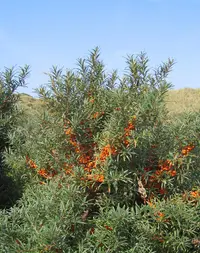
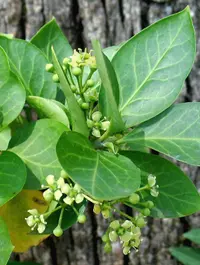
Night Jessamine Care (Cestrum nocturnum)

Also known as: queen of the night, night-blooming cestrum, lady of the night, night cestrum

About Night Jessamine

Night jessamine (Cestrum nocturnum) is a fast-growing evergreen shrub known for its strong, sweet fragrance released mainly at night. It typically has slender, arching branches with simple green leaves and clusters of small, tubular, creamy-white flowers.

This species is native to the Caribbean and tropical Americas but is widely grown in warm and frost-free regions. It can become vigorous and somewhat invasive in suitable climates, so space and pruning need attention.

The plant prefers bright light, warmth, and evenly moist, well-drained soil, which makes it easier to manage outdoors than inside a home. Understanding these basic needs helps gardeners care for Night Jessamine successfully.

Main Plant Requirements

Care Difficulty

Moderate Care

Light Preference

Partial Sun

Water Requirements

Regular Water

Temperature Preference

Tropical / Frost Sensitive

Hardiness Zone

9–11

Soil Texture

Sandy, Loamy, Organic-rich

Soil pH

Acidic (5.5–6.5), Slightly acidic (6.5–7.0)

Soil Drainage

Moist but well-drained

Fertilization

Moderate (every 2–4 weeks)

Get Personalized Care Plan

Scan your plant to receive care tips personalized for your specific plant

Personalized Care in the App

Available on iOS and Android

How to Care for the Night Jessamine

This shrub needs bright, strong light to flower well and maintain healthy foliage.

  • Provide 4–6 hours of direct morning sun with light afternoon shade, especially in hot summer climates above 90°F (32°C).
  • Tolerates bright partial shade, but flowering decreases if it receives less than 3–4 hours of direct or lightly filtered sun daily; dense shade leads to lanky growth.
  • In cooler seasons, allow more direct sun and protect Night Jessamine from harsh, reflective midday exposure that can scorch leaves in very hot regions.

Watering should keep the root zone evenly moist but not saturated.

  • Allow the top 3–5 cm of soil to dry before deep watering, soaking the root area thoroughly, then letting excess drain away to avoid root rot.
  • In spring and summer growth, expect more frequent watering during hot, dry spells; in fall and winter, reduce frequency as growth and evaporation slow.
  • Wilting, dull leaves, and dry, hard soil indicate underwatering, while yellowing leaves, soft stems, and a sour soil smell suggest Cestrum nocturnum is overwatered or poorly drained.

This species prefers warm, frost-free conditions for reliable growth and flowering.

  • Ideal growing temperatures are 65–80°F (18–27°C), with steady warmth supporting continuous vegetative growth and flowering cycles.
  • It tolerates brief dips to about 40°F (4°C), but foliage damage occurs near this point and the plant is usually killed by hard frost below 32°F (0°C).
  • In hot summers above 90°F (32°C), provide mulched roots and some afternoon shade to limit heat stress, while in cooler months protect from cold winds and sudden temperature swings.

This species prefers moderate humidity and benefits from slightly moist air.

  • Aim for 40–60% humidity; it tolerates brief drops lower but sustained very dry air can slow growth.
  • Crisp leaf edges, wilting at normal soil moisture, and leaf drop at the tips suggest humidity stress.
  • Increase humidity with grouped plants, a pebble tray near Night Jessamine, or a room humidifier rather than misting leaves.

Cestrum nocturnum grows best in loose, well-drained, nutrient-rich soil.

  • Use a loamy mix built from roughly 50% peat- or coco-based potting mix, 25% compost, and 25% perlite or coarse sand.
  • Ensure rapid drainage; water should exit the pot within seconds and the surface should not stay waterlogged for more than a few hours.
  • Target a slightly acidic to neutral pH of about 6.0–7.0 to support nutrient uptake and steady flowering.
  • Avoid heavy clay, compacted ground, or soils with high proportion of fine sand that bake hard and restrict root aeration.

This species is suitable for container growing, especially where winters are cool or space is limited.

  • Choose a pot at least 30–40 cm deep to support its strong, fast-growing root system and prevent tipping.
  • Use a slightly heavier container material, such as ceramic, to stabilize the tall, bushy top growth in wind.
  • Leave 2–3 cm of space below the rim for deep watering without overflow, helping excess water drain quickly away from the roots.

This species responds well to moderate feeding during the warm growing season.

  • Use a balanced liquid fertilizer (around 10-10-10 or 20-20-20) diluted to 1/2 strength every 4–6 weeks in spring and summer.
  • In containers, a slow-release balanced fertilizer or light topdressing with compost supports sustained growth.
  • Rinse the soil with plain water every few feedings to limit salt buildup around the roots.
  • Reduce feeding to once in late fall or stop completely in winter when Night Jessamine growth slows.

Thoughtful pruning keeps Cestrum nocturnum compact, floriferous, and manageable in size.

  • Carry out main pruning in late winter or early spring before vigorous growth starts.
  • Remove dead, diseased, weak, or crossing stems first, then shorten overly long shoots to shape the shrub.
  • Use clean, sharp bypass pruners to make smooth cuts just above outward-facing buds or side branches.
  • Light tip pinching after flushes of growth encourages denser branching and more flowering wood.

Container-grown plants benefit from periodic repotting to maintain healthy, vigorous growth.

  • Check for roots circling the pot, emerging from drainage holes, or slow growth as signs Cestrum nocturnum needs a larger container.
  • Plan repotting or transplanting for early spring, before strong new growth and high heat, about every 2–3 years in pots.
  • Move into a pot 1–2 in wider with free-draining soil, keeping the root ball at the same depth as before.
  • Water thoroughly after moving, keep in bright but not harsh sun for 1–2 weeks, and avoid heavy pruning at the same time to reduce stress.

This shrub is commonly propagated from semi-hardwood cuttings for consistent flowering plants.

  • Take 10–15 cm semi-hardwood cuttings in late spring to summer from non-flowering shoots of Cestrum nocturnum.
  • Remove lower leaves, optionally dip the cut end in rooting hormone, and insert into a moist, free-draining mix of perlite and peat or similar.
  • Provide bottom warmth around 70–75°F, bright indirect light, and high humidity using a loose cover with ventilation.
  • Seeds may germinate in warm conditions but are slower and more variable than cuttings, so are less used for home propagation.

Winter protection is important in regions with freezing temperatures, especially for container-grown plants.

  • Cestrum nocturnum is frost-sensitive and typically only root-hardy in very mild climates.
  • In cold regions, move container plants indoors before nights drop near 40°F, placing them in bright, cool conditions.
  • Outdoors in mild zones, apply a 5–8 cm mulch over the root zone to buffer temperature swings.
  • Trim back any frost-damaged growth in late winter once the risk of hard freeze has passed.

Care Tips

Scent-aware placement

Position the plant where night fragrance can vent outdoors, such as near a frequently opened window or patio door, to avoid overwhelming scent buildup in enclosed rooms.

Flowering cycle management

After each heavy bloom flush, lightly thin out older flowering stems and give the plant several weeks of stable conditions to encourage the next wave of buds rather than continuous light trimming.

Strategic staking

Install slim, tall stakes early in the season and loosely tie main shoots as they elongate so that the long, flexible branches do not collapse under the weight of flower clusters.

Container root control

For potted plants, root-prune and repot every 2–3 years by trimming back the outer 2–3 cm of the root ball and refreshing the substrate, which helps maintain vigorous top growth and flowering.

Proactive pest scanning

Inspect new growth and the undersides of leaves every 1–2 weeks, especially in warm, dry spells, so that any early spider mite or whitefly activity is treated before large flower-bearing shoots are affected when growing Night Jessamine.

Common Pests and Diseases

Whiteflies

These insects commonly build up on the undersides of leaves of night‑scented jessamine, feeding on sap and causing yellowing, sticky honeydew, and sooty mold. This pest thrives on dense, lush growth in warm, sheltered spots.

Solution

Reduce plant density by light pruning to improve airflow, then wash the undersides of leaves with a strong but gentle stream of water. For persistent infestations, use yellow sticky traps plus repeated applications of insecticidal soap or a neem oil spray, making sure to coat the leaf undersides thoroughly.

Spider mites

This pest appears during hot, dry weather, causing fine speckling on leaves, pale discoloration, and in heavier infestations, delicate webbing on stems and leaf joints. Symptoms include dull, dusty-looking foliage and early leaf drop, especially on container plants kept too dry.

Solution

Increase ambient humidity around the plant, then rinse foliage thoroughly with water to knock mites off. Follow with several treatments of insecticidal soap or horticultural oil at 5–7 day intervals, making sure the spray reaches leaf undersides and inner branches.

Leaf spot

This disease causes small brown, tan, or dark purple spots on leaves that can enlarge and merge, leading to partial defoliation in humid or poorly ventilated conditions. Symptoms include more damage on older, shaded foliage and after overhead watering.

Solution

Remove and discard affected leaves and any fallen debris around the base to reduce inoculum, then adjust watering to keep foliage as dry as possible. Improve airflow by thinning crowded stems and, if needed, apply a copper-based or other ornamental shrub fungicide labeled for leaf spots, following the label timing closely when caring for Night Jessamine.

Powdery mildew

This disease produces a white or gray powdery coating on upper leaf surfaces, young shoots, and flower stalks, especially when nights are cool and humidity is high. Symptoms include distorted new growth and reduced flowering over time.

Solution

Prune to open the plant canopy and avoid overhead watering so foliage dries quickly. Remove heavily affected shoots and treat remaining foliage with a sulfur, potassium bicarbonate, or horticultural oil product labeled for powdery mildew, repeating as directed until new growth appears clean.

Aphids

These insects cluster on tender shoot tips, flower clusters, and the underside of young leaves, sucking sap and causing curling, distortion, and sticky honeydew. This pest is especially common on soft, nitrogen-rich growth after heavy fertilization.

Solution

Pinch or prune off heavily infested shoot tips, then rinse remaining stems and leaves with a firm stream of water to dislodge aphids. Follow with spot treatments using insecticidal soap or a light horticultural oil, repeating every 5–7 days until new growth develops clean and predator insects regain control.

Interesting Facts

Night‑only fragrance release

The flowers open and release their strongest fragrance at night, timed with the activity of nocturnal moth pollinators that are attracted by both scent and pale flower color.

High alkaloid toxicity

All parts of the plant contain toxic alkaloids related to those in other Solanaceae, and ingestion can cause poisoning in humans and animals, which is why it is considered an unsafe choice around pets and small children.

Invasive potential in tropics

In several tropical and subtropical regions, especially on islands, this species has naturalized and is classified as invasive because it produces many bird-dispersed berries and forms dense thickets that displace native vegetation.

Botan icon

Did you know?

In some densely populated areas, the intense nighttime scent has been reported to trigger respiratory irritation and headaches in sensitive individuals, so local authorities or communities occasionally discourage planting it near bedroom windows or confined courtyards.

FAQs about Night Jessamine

Poor flowering usually comes from insufficient light, heavy or incorrect pruning, nutrient imbalance, or temperature stress. Allow some older wood to remain, avoid high-nitrogen fertilizer, protect from cold drafts, and keep the root zone evenly moist, not soggy.

Grow Healthy Plants with Botan Care

Keep your plants happy and healthy with plant identification, disease detection, and easy care guidance.

Botan plant care app — identify plants on mobile

Explore More Plants