Mediterranean spurge Care (Euphorbia characias)

Also known as: Mediterranean spurge, large Mediterranean spurge

About Mediterranean spurge

Mediterranean spurge (Euphorbia characias) is an evergreen subshrub grown mainly for its bold, architectural form and long-lasting, chartreuse flower heads. It typically forms dense clumps of upright stems lined with narrow, blue-green leaves.

This species is native to rocky slopes and scrub in the Mediterranean region, which makes it well adapted to heat, sun, and relatively poor, well-drained soils. Once established, it shows good drought tolerance and generally low maintenance needs, so it is not difficult to care for Mediterranean spurge in suitable climates.

It prefers full sun, dry to moderately moist soil, and protection from prolonged winter wet. Its milky sap is irritating, so handling requires some care.

Main Plant Requirements

Care Difficulty

Easy Care

Light Preference

Full Sun

Water Requirements

Low Water

Temperature Preference

Cool Climate

Hardiness Zone

7–10

Soil Texture

Sandy, Loamy, Rocky

Soil pH

Slightly acidic (6.5–7.0), Slightly alkaline (7.0–7.5)

Soil Drainage

Well-drained

Fertilization

Minimal (feed rarely)

Get Personalized Care Plan

Scan your plant to receive care tips personalized for your specific plant

Personalized Care in the App

Available on iOS and Android

How to Care for the Mediterranean spurge

This shrub thrives in bright, open conditions typical of its native Mediterranean climate.

  • Provide 6–8 hours of direct sun daily; Mediterranean spurge flowers and keeps dense foliage best in full sun.
  • Accepts light or partial shade, especially afternoon shade in hotter regions, but too much shade leads to leggy, floppy stems and reduced flowering.
  • In summer, strong afternoon sun in very hot areas can scorch foliage; in winter, choose the sunniest, most open site to maximize low-angle light.

This drought-tolerant shrub prefers infrequent, deep watering in sharply drained soil.

  • Outdoors in the ground, water only when the top 5–8 cm of soil is dry; in established plantings this may mean every 10–21 days in summer, much less in cooler seasons.
  • Use very free-draining, gritty soil; avoid standing water around roots, which causes yellowing leaves, stem collapse, and root rot in Euphorbia characias.
  • Signs of underwatering include drooping, slightly shriveled stems and dull foliage; soak the root zone thoroughly, then let the soil dry again before the next watering.

This evergreen Euphorbia prefers mild, dry conditions and tolerates both cool winters and warm summers.

  • Ideal growth occurs around 60–75°F (16–24°C), with strongest vegetative growth in cool to mild spring and autumn weather.
  • Mature plants usually tolerate down to about 10–15°F (-12 to -9°C) if soil drains well, but repeated hard freezes and wet cold increase crown and root loss.
  • Handles dry heat up to about 90–95°F (32–35°C) if soil is not waterlogged; prolonged heat with high humidity raises disease risk, so ensure excellent air movement.

This species tolerates typical household humidity and rarely needs special humidity control.

Euphorbia characias prefers lean, sharply drained soil that prevents water from sitting around the roots.

  • Use a gritty mix such as 50–70% sandy or loamy garden soil blended with coarse sand or fine gravel for structure.
  • Aim for slightly alkaline to neutral pH around 7.0–7.8; avoid strongly acidic mixes that can weaken growth.
  • Improve drainage and aeration by adding mineral aggregates like pumice or perlite rather than large amounts of moisture-holding compost.
  • Avoid heavy clay, peat-heavy, or compacted mixes that stay wet for long periods, as these promote root and crown rot.

This species can be grown in containers if the pot is set up to stay dry around the roots.

  • Choose a heavy, wide-based pot to counter the tall, top-heavy growth and reduce the risk of tipping in wind.
  • Select unglazed terracotta if possible, as its porous walls help excess moisture evaporate from the root zone more quickly.
  • Fill the bottom third of the pot with a very coarse, rocky layer to speed drainage away from the crown after heavy rain.

This drought-tolerant shrub needs only modest feeding for healthy growth.

  • Apply a light dressing of compost or a slow-release balanced NPK granular fertilizer in early spring to support new growth.
  • Use a low to medium rate, about half the label recommendation, to avoid lush, floppy stems in Mediterranean spurge.
  • On poor soils, repeat a light application once in midsummer if growth appears weak.
  • Do not feed in late fall or winter, when the plant is semi-dormant and not using extra nutrients.

Thoughtful pruning keeps Euphorbia characias compact, long-lived, and floriferous.

  • Cut spent flowering stems back to the base in late spring or early summer, leaving fresh non-flowering shoots intact.
  • Remove dead, damaged, or crossing stems with clean, sharp hand pruners to maintain an open, balanced shape.
  • Wear gloves and eye protection, as the milky sap is irritating to skin and eyes.
  • Avoid cutting into very old, woody bases; retain young shoots to carry next season’s flowers.

This perennial shrub is best treated as a long-term garden plant that dislikes frequent disturbance.

  • Transplant in early spring or early fall so roots can establish before heat or hard frost.
  • Choose a sunny, sharply drained site; water thoroughly before and after moving the plant to reduce root stress.
  • Only consider lifting and shifting clumps every several years if growth declines or the plant outgrows its space.
  • Move with a generous soil root ball, handle roots gently, and keep soil just moist until new growth resumes.

New Euphorbia characias plants are usually raised from semi-ripe cuttings or seed.

  • Take 7–10 cm semi-ripe stem cuttings in late spring to midsummer, avoiding flowering stems.
  • Dip cut ends briefly in cool water to slow latex flow, then allow the surface to dry before inserting in free-draining mix.
  • Provide bright, indirect light, 65–75°F temperatures, and slightly moist but airy substrate to encourage rooting.
  • Sow fresh seeds in autumn or late winter; chill if needed, and use a gritty, well-drained seed compost.

This evergreen spurge is generally hardy in mild to moderate winters but benefits from simple precautions in colder regions.

  • Tolerates light frosts, but prolonged freezes below about 10–15°F can damage stems.
  • Apply a 5–8 cm layer of mulch around the root zone in late fall, keeping it away from the crown.
  • In very cold or exposed sites, shelter plants with a breathable frost cloth to limit stem dieback.
  • Move container-grown plants to a sheltered, unheated porch or cold greenhouse to reduce freeze–thaw stress.

Care Tips

Latex-safe handling

Always wear gloves and long sleeves when cutting or dividing stems because the milky latex sap is irritating to skin and eyes, and rinse tools under running water right after pruning so dried sap does not gum up blades.

Self-seeding control

If you do not want dozens of seedlings, deadhead spent flower stems before the seed capsules dry and pop, or collect stems in a bucket as you cut them so any bursting seed pods are contained.

Preventing stem flop

In windy or exposed sites, plant in a slight bowl-shaped depression and firm soil well around the crown, or discreetly ring the clump with low, green plant supports in early spring before stems elongate to keep the plant upright.

Summer stress management

In very hot, dry regions, apply a light mineral mulch such as gravel or crushed stone around the base to keep the crown dry but roots cool, which reduces stress and prolongs attractive foliage during peak heat when growing Mediterranean spurge.

Renewal by staged cutting

Every 2–3 years, cut a portion (about one-third) of the oldest woody stems right back to the base immediately after flowering so younger shoots can replace them, maintaining a dense, fresh-looking dome over time.

Common Pests and Diseases

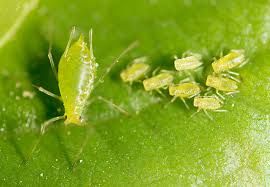
Aphids

These insects cluster on new shoots and flower stems, sucking sap and causing distortion, sticky honeydew, and sooty mold growth.

Solution

Blast colonies off stems with a firm stream of water, then spot-treat remaining clusters with insecticidal soap or a ready-to-use neem oil spray, repeating weekly until controlled; encouraging ladybugs and avoiding excess nitrogen fertilizer also helps reduce aphid buildup when following Euphorbia characias care instructions.
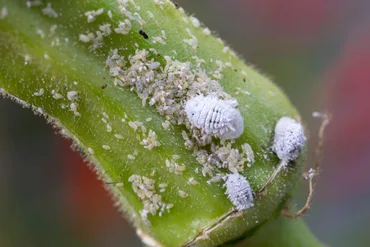
Mealybugs

This pest appears as white, cottony clusters in stem joints and on undersides of leaves, weakening plants by sucking sap.

Solution

Isolate the plant, dab visible mealybugs with cotton swabs dipped in isopropyl alcohol, then treat affected areas with insecticidal soap or neem oil and repeat every 7–10 days until no new insects appear.
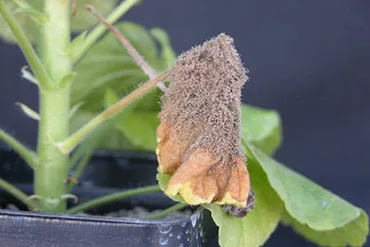
Euphorbia mildew

This disease, a form of powdery mildew adapted to Euphorbia, produces white, dusty patches on leaves and stems, which can lead to yellowing and premature leaf drop in humid or crowded conditions.

Solution

Improve air circulation, avoid wetting the foliage, remove heavily affected stems, and apply a sulfur-based or potassium bicarbonate fungicide at the first signs, repeating according to label directions during humid periods.

Botrytis blight

This disease causes soft, brown, water-soaked spots on stems and leaves that quickly develop gray fuzzy mold, especially in cool, damp weather or poorly ventilated sites.

Solution

Cut out and discard all affected tissue, improve drainage and spacing around the plant, keep foliage dry, and if conditions stay wet use a labeled fungicide for ornamental perennials as a protective spray.
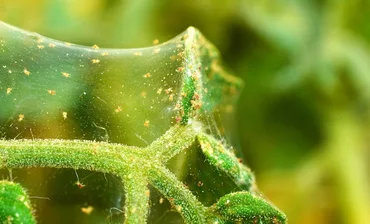
Spider mites

These pests are tiny sap-sucking arachnids that cause fine stippling on leaves, slight bronzing, and delicate webbing in hot, dry conditions.

Solution

Rinse foliage thoroughly with water to remove mites, raise local humidity slightly, and treat undersides of leaves with insecticidal soap or horticultural oil, repeating every 5–7 days until no new damage appears.

Interesting Facts

Mediterranean jet-black eyes

The wild-type form of this species, Euphorbia characias subsp. characias, has distinctive dark purple to almost black nectar glands in the flower-like structures, giving a strong contrast against the yellow-green bracts and acting as a visual target for pollinators.

Late-winter nectar source

It flowers very early in the season, often from late winter to late spring in mild climates, providing one of the first consistent nectar and pollen sources for bees and other insects when many other species are still dormant.

Explosive seed dispersal

Its seed capsules dry and split open with enough tension to eject seeds several feet away from the parent plant, a ballistic dispersal mechanism that helps the plant colonize open, rocky slopes in its native Mediterranean range.

Botan icon

Did you know?

In its native Mediterranean habitats, Euphorbia characias often dominates rocky scrub and garrigue communities, forming long-lived clumps that help stabilize poor, shallow soils and offer structure and cover for invertebrates and small vertebrates in otherwise sparse vegetation mosaics.

FAQs about Mediterranean spurge

Lack of flowering is usually caused by too much shade, very rich or wet soil, or heavy pruning at the wrong time. Flowers form on new stems from last season, so cut back only after the main bloom finishes.

Grow Healthy Plants with Botan Care

Keep your plants happy and healthy with plant identification, disease detection, and easy care guidance.

Botan plant care app — identify plants on mobile

Explore More Plants