Ming aralia Care (Polyscias fruticosa)

About Ming aralia

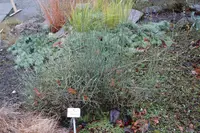
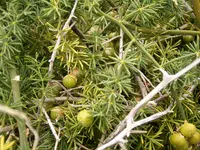
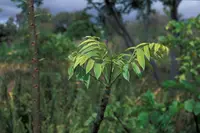
Ming aralia, Polyscias fruticosa, is a tropical evergreen shrub often grown indoors as a compact, decorative foliage plant. It belongs to the Araliaceae family, like schefflera and ginseng ficus. The plant has finely divided, fern-like leaves on woody stems, giving it an airy, miniature tree appearance that fits well in bright living rooms or offices.

In nature, it occurs in tropical Asia and the Pacific, where it grows in warm, humid, partially shaded conditions. Indoors, it can be somewhat sensitive to cold drafts, sudden changes, and overwatering, so it is considered moderate in difficulty. Those who learn how to care for Ming aralia usually find it rewarding, as it can stay attractive and long-lived with stable light, moisture, and well-drained soil.

Main Plant Requirements

Care Difficulty

Moderate Care

Light Preference

Bright Indirect Light

Water Requirements

Moderate Water

Temperature Preference

Tropical / Frost Sensitive

Hardiness Zone

11–12

Soil Texture

Loamy, Sandy, Organic-rich

Soil pH

Acidic (5.5–6.5), Slightly acidic (6.5–7.0)

Soil Drainage

Moist but well-drained

Fertilization

Light (every 4–6 weeks)

Get Personalized Care Plan

Scan your plant to receive care tips personalized for your specific plant

Personalized Care in the App

Available on iOS and Android

How to Care for the Ming aralia

This shrub prefers bright, indirect light with some gentle sun exposure for compact, leafy growth.

  • Provide 4–6 hours of bright, filtered light daily; early morning sun and afternoon shade suit Ming aralia best, especially in hot climates.
  • Outdoors, grow in dappled shade under taller plants or structures; indoors, place near an east or bright north window, shielding from harsh midday rays.
  • Insufficient light causes leggy stems and sparse foliage, while strong midday or west sun can scorch leaves, so adjust placement seasonally as sun angles change.

Watering should maintain lightly moist but never waterlogged soil around the fine roots of this species.

  • Allow the top 2–4 cm of soil to dry before watering again, using your finger to check; water thoroughly, then let excess drain away completely.
  • In spring and summer, expect more frequent watering as growth and evaporation increase; in fall and winter, extend the interval once growth slows.
  • Yellowing, soft leaves and a sour soil smell suggest overwatering or poor drainage, while crisp leaf edges, droop, and very light pots indicate underwatering in Polyscias fruticosa.

This plant grows best in warm, stable conditions that avoid both chill and extreme heat.

  • Aim for 65–80°F (18–27°C) for steady growth; brief dips are tolerated but extended cool periods slow metabolism and leaf production.
  • Protect from temperatures below 55°F (13°C); exposure near 40–45°F (4–7°C) can cause leaf drop, and frost will severely damage or kill the plant.
  • In hot spells above 85°F (29°C), increase shading and airflow, and avoid placing near heat sources or cold drafts from doors, windows, or air-conditioning vents.

This species prefers moderate to high humidity and reacts to prolonged dry air.

  • Aim for 50–65% humidity to keep foliage dense and reduce leaf drop.
  • Tolerates brief dips to 35–40%, but extended dryness leads to crispy leaf edges and increased leaf shed.
  • Increase humidity with a nearby humidifier, grouped plants, or a pebble tray, and avoid placing Ming aralia near heating or AC vents.

This plant needs a loose, airy mix that drains quickly yet holds some moisture.

  • Use a fine-textured, loamy mix built from roughly 2 parts peat or coco coir, 1 part compost, and 1 part perlite or pumice.
  • Ensure rapid drainage; water should exit the pot within seconds rather than pooling on the surface.
  • Keep pH slightly acidic to neutral, around 6.0–7.0, which supports balanced nutrient uptake in Polyscias fruticosa.
  • Avoid dense, heavy garden soil or mixes with high clay content that stay wet and exclude air from the roots.

This species is well suited to container growing due to its woody, upright habit and moderate root system.

  • Choose a pot that is slightly taller than wide to support its vertical growth and prevent tipping.
  • Use a container material like ceramic or terracotta that adds weight and stabilizes the plant’s top-heavy canopy.
  • Select a pot large enough to allow a modest root run, leaving space for a 3–5 cm layer of fresh mix above older roots.

Polyscias fruticosa benefits from light, consistent feeding during the active growing season.

  • Use a balanced liquid fertilizer (such as 10-10-10 or 20-20-20) diluted to 1/4–1/2 strength every 4–6 weeks in spring and summer.
  • Alternatively, apply a small amount of slow-release fertilizer or a thin layer of well-aged compost once at the start of the growing season.
  • Reduce feeding to 1 light application for the entire period or stop entirely in fall and winter, when growth slows indoors.
  • Flush the pot with plain water every few months to limit salt buildup around the roots when caring for Ming aralia.

Pruning Polyscias fruticosa helps maintain a compact, bushy shape and removes weak growth.

  • Best time is late winter to early spring, before strong new growth begins.
  • Use clean, sharp scissors or pruning shears to remove dead, damaged, crossing, or very leggy stems.
  • Cut just above a leaf node to encourage branching and denser foliage.
  • Limit each session to removing no more than 20–25% of total foliage to avoid stress.

This plant prefers slightly snug pots and only needs repotting when clearly rootbound.

  • Check for roots circling the pot, growing from drainage holes, or slow, weak growth as signs it is time to repot.
  • Plan repotting in spring every 2–3 years, moving to a container only 2–5 cm wider with good drainage.
  • Gently loosen circling roots, trim any dead or mushy sections, and set the plant at the same soil level as before.
  • Water thoroughly after repotting, then keep in bright, indirect light and slightly drier soil for 1–2 weeks to reduce root stress.

New Polyscias fruticosa plants are most often produced from stem cuttings taken during warm months.

  • Take 8–12 cm semi-woody stem cuttings in late spring or summer, each with several healthy leaflets.
  • Remove lower leaves, optionally dip the cut end in rooting hormone, and insert into a moist, well-draining mix of perlite and peat or coco coir.
  • Maintain high humidity (50–70%) and warm temperatures around 70–80°F with bright, indirect light for rooting.
  • Keep the medium just slightly moist, and transplant to individual pots once roots are well established and new growth appears.

Indoor Polyscias fruticosa requires protection from cold, drafts, and low light in winter.

  • Keep temperatures at 60–70°F and avoid exposure to air below 55°F, as foliage and stems are frost-sensitive.
  • Bring outdoor containers indoors before night temperatures fall below 55°F and place in the brightest indirect light available.
  • Water less often but do not allow the root ball to dry completely; growth naturally slows in low light and cooler conditions.
  • Increase ambient humidity with a pebble tray or humidifier to counteract dry indoor air from heating systems.

Care Tips

Staggered Stem Pinching

Pinch just the soft tips of a few stems every 3–4 weeks in different areas of the plant to encourage dense side-branching without shocking the plant or stopping vertical growth completely.

Progressive Crown Thinning

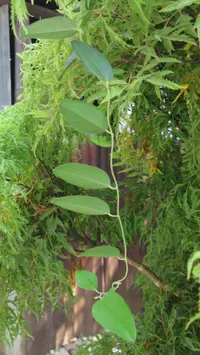
Once or twice a year, selectively remove a few of the most congested inner twigs from the upper canopy to let more light reach the lower foliage and maintain an airy, tree-like structure.

Rotating For Even Canopy

Rotate the pot 90° every 1–2 weeks so new growth distributes evenly, which helps prevent the plant from leaning and keeps the trunk developing straight and balanced.

Targeted Mite Monitoring

Inspect the undersides of the finest leaflets and inner stems with a magnifying glass every 2–3 weeks, and at the first sign of spider mites use a tepid shower rinse followed by insecticidal soap labeled for indoor foliage plants.

Gradual Environment Shifts

When moving the plant between rooms or seasons, change light exposure and airflow gradually over 7–10 days to reduce leaf drop, which is especially important when growing Ming aralia in air-conditioned or heated homes.

Common Pests and Diseases

Spider mites

This pest thrives on Ming aralia in warm, dry indoor air and sucks sap from the foliage, causing stippling, bronzing, and fine webbing between leaf segments.

Solution

Increase humidity, rinse foliage thoroughly in the shower or with a hose, and wipe leaves to remove mites and webbing; then apply insecticidal soap or a neem oil spray every 5–7 days for several cycles, ensuring the undersides of the finely divided leaves are well covered.

Scale insects

These insects attach along stems and leaf petioles, appearing as small brown or tan bumps and causing yellowing leaves, sticky honeydew, and sooty mold on Polyscias fruticosa plant care specimens indoors.

Solution

Physically remove visible scales with a cotton swab dipped in isopropyl alcohol, prune heavily infested twigs, and follow up with repeated applications of horticultural oil or neem oil, focusing on stems and leaf joints where young crawlers hide.

Mealybugs

This pest forms white, cottony clusters in leaf axils and along stems, weakening the plant and leading to distorted new growth and sticky honeydew.

Solution

Isolate the plant, dab visible mealybugs with isopropyl alcohol on a cotton swab, rinse the plant to dislodge hidden insects, and then treat with insecticidal soap or neem oil at 7–10 day intervals until no new clusters appear.

Bacterial leaf spot

This disease causes small, water-soaked or dark spots on the finely divided leaflets that may expand, turn tan or brown, and sometimes show a yellow halo before the tissue drops out.

Solution

Remove and discard affected leaves, avoid wetting the foliage when watering, improve air circulation around the plant, and if spread continues use a labeled copper-based bactericide according to directions while keeping tools and pots clean to reduce reinfection.

Leaf drop stress disorder

Symptoms include sudden yellowing and shedding of many leaflets after exposure to drafts, abrupt temperature shifts, or major changes in light or watering, which Ming aralia is notably sensitive to.

Solution

Stabilize conditions by keeping temperatures around 65–80°F, avoiding cold or hot drafts, maintaining consistent moderate moisture without waterlogging, and adjusting light gradually; after conditions are steady, prune lightly to encourage new, balanced growth.

Interesting Facts

Naturally dwarf tree

In its native Southeast Asia, this species can form a many-stemmed shrub or small tree up to several meters tall, yet it naturally maintains relatively fine, slender growth compared with many other Araliaceae shrubs.

Deeply divided foliage

The leaves are highly compound and finely dissected, giving a lace-like appearance that increases the effective surface area for light capture while keeping individual leaf segments narrow, which can reduce overheating and water loss in bright, warm conditions.

Nighttime leaf droop

The foliage often shows nyctinastic movement, with leaflets slightly drooping or changing position at night, an energy-saving behavior controlled by daily (circadian) rhythms in response to light changes.

Botan icon

Did you know?

In parts of Vietnam and neighboring regions, this species is traditionally planted in temple and courtyard gardens as a long-lived, prunable symbol of stability and refinement, and carefully trained specimens can be maintained for decades in a bonsai-like form.

FAQs about Ming aralia

Brown, crispy leaf edges usually come from low humidity, underwatering, or exposure to hot or cold drafts. Check for root dryness, raise humidity, and move the plant away from heaters, air conditioners, or frequently opened doors.

Grow Healthy Plants with Botan Care

Keep your plants happy and healthy with plant identification, disease detection, and easy care guidance.

Botan plant care app — identify plants on mobile

Explore More Plants