Water Tray Setup
Stand the pot in a deep, waterproof tray and keep the tray topped up with 2–5 cm of water so the root zone never dries even if the potting mix surface looks dry.

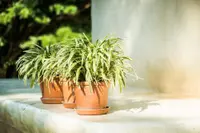
Umbrella papyrus, Cyperus alternifolius, is a moisture-loving, grass-like plant from Madagascar and East Africa, often found along riverbanks and in wetlands. It forms tall, upright stems topped with whorls of narrow, radiating leaf-like bracts that resemble a small umbrella.
This species grows quickly in consistently wet conditions and can adapt to containers, ponds, and bright indoor spots. It is generally considered easy to grow when its high water needs are met.
Light, warmth, and constant moisture are the key points in how to care for Umbrella Papyrus, making it well suited to plant owners who can maintain a reliably damp environment.

Care Difficulty
Moderate Care

Light Preference
Partial Sun

Water Requirements
Aquatic

Temperature Preference
Tropical / Frost Sensitive

Hardiness Zone
9–11

Soil Texture
Loamy, Clay, Organic-rich

Soil pH
Acidic (5.5–6.5), Slightly acidic (6.5–7.0)

Soil Drainage
Waterlogged tolerant

Fertilization
Light (every 4–6 weeks)
Scan your plant to receive care tips personalized for your specific plant
Available on iOS and Android
Cyperus alternifolius thrives in bright, abundant light that mimics its natural wetland habitat.
This wetland species prefers constantly moist to saturated conditions rather than typical houseplant watering patterns.
This species grows best in warm, frost-free conditions typical of its marshy native habitats.
This species needs very high humidity because it naturally grows in wet marshes and pond margins.
Cyperus alternifolius thrives in saturated, organic-rich substrates rather than conventional potting soil.
This species is very suitable for container growing, especially for patios, ponds, and water features.
Cyperus alternifolius responds well to moderate feeding that supports lush, continuous growth.
Pruning Cyperus alternifolius is mainly about removing spent stems to maintain a tidy, vigorous clump.
Container-grown Cyperus alternifolius benefits from periodic repotting to maintain strong, dense growth.
Cyperus alternifolius is commonly propagated by division and by rooting its characteristic umbrella heads.
Cyperus alternifolius is frost-sensitive and needs protection in regions with cold winters.

Plant Health Check
Not sure what's wrong with your plant? Check your plant's health inside the app.
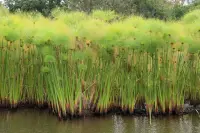
This species naturally colonizes the edges of slow-moving rivers, ponds, and marshes in Madagascar and East Africa, where its dense root and rhizome network helps stabilize muddy banks and reduce erosion.
What looks like a whorl of leaves at the top of each stem is actually a cluster of many narrow leaf-like bracts, while the true leaves are reduced and inconspicuous at the stem base.
Mature leaf clusters can form new plants when the cut tops are floated or kept very wet, an ability that makes grow Cyperus alternifolius particularly easy from cuttings compared with many other wetland species.

Unlike the ancient writing papyrus Cyperus papyrus, this species was not used historically for making paper, yet it has become one of the most widely cultivated ornamental sedges worldwide because it adapts well to containers, indoor displays, and constructed water gardens.
Browning tips usually come from low humidity, hard tap water, or letting the root zone dry out. Occasionally, fertilizer salts or cold drafts scorch foliage. Trim damaged parts, flush the pot, and keep the root area constantly moist, never dry.
Keep your plants happy and healthy with plant identification, disease detection, and easy care guidance.