


Encourage Compact Rosettes
Rotate the pot by 90° every 1–2 weeks so all sides receive similar light intensity, which keeps rosettes symmetrical and prevents the plant from leaning and stretching toward one direction.

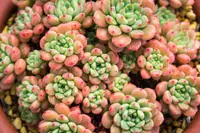
Sedum clavatum is a compact, rosette-forming succulent from central Mexico. It is valued for its pale blue-green, fleshy leaves that can blush pink at the tips in bright light. Plants grow in low mounds and slowly spread, making them suitable for small pots, dish gardens, and rockeries. The plant produces short stems topped with clusters of small white star-shaped flowers in spring or early summer. This species is considered easy to grow because it stores water in its leaves and tolerates brief neglect. It prefers bright light, low to moderate moisture, and very well-drained, gritty soil, which simplifies how to care for Sedum clavatum.

Care Difficulty
Easy Care

Light Preference
Full Sun

Water Requirements
Low Water

Temperature Preference
Warm Climate

Hardiness Zone
9–11

Soil Texture
Sandy, Loamy, Rocky

Soil pH
Slightly acidic (6.5–7.0), Neutral (7.0)

Soil Drainage
Well-drained

Fertilization
Minimal (feed rarely)
Scan your plant to receive care tips personalized for your specific plant
Available on iOS and Android
Rosette color and compact growth depend strongly on sunlight exposure throughout the year.
Watering should mimic a dry, rocky habitat with brief soakings and long dry intervals.
Stable, mild warmth supports dense, healthy rosettes and reliable growth.
This species prefers relatively dry air and does not need elevated humidity.
This succulent requires fast-draining, mineral-rich soil to prevent root rot.
This species is well suited to container growing when drainage and pot choice are carefully managed.
This succulent needs only light feeding, as Sedum clavatum is adapted to low-nutrient soils.
Sedum clavatum benefits from light, occasional pruning to maintain compact, healthy growth.
This slow-growing succulent needs infrequent repotting but appreciates fresh, sharply drained soil.
Sedum clavatum is commonly propagated from stem or leaf cuttings taken in warm months.
This succulent is tender and needs careful winter care in climates with freezing temperatures.

Plant Health Check
Not sure what's wrong with your plant? Check your plant's health inside the app.
This species forms tight, dome-shaped rosettes with very short internodes, which is why mature plants look like dense cushions rather than loose spreads typical of many other Sedum species.
The glaucous blue-green leaves can develop pink to red tinges at the tips when exposed to higher light and mild cold stress, a response linked to increased production of protective pigments called anthocyanins.
It is believed to have a relatively limited natural distribution in central Mexico, which makes many cultivated plants in collections traceable to a small number of original wild populations.

Although often grown in mixed succulent arrangements, this species can gradually form low mounds that resemble a miniature shrub, with older rosettes producing new offsets that slowly build layered, multi-tiered clumps over time.
Brown leaves usually result from sun scorch, prolonged drought, or old foliage aging at the base of the rosette. Check for very dry soil, intense afternoon sun, or root rot, then adjust watering and light exposure accordingly.
Keep your plants happy and healthy with plant identification, disease detection, and easy care guidance.

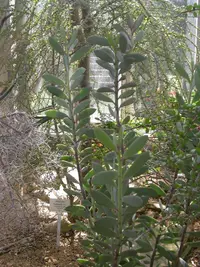
Lavender Steps
Senecio crassissimus
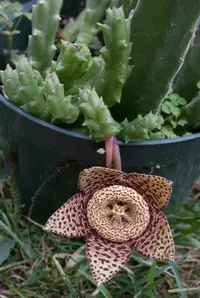
Carrion-flower
Orbea variegata
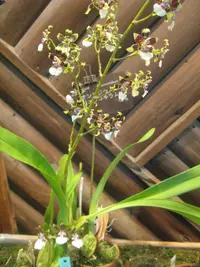
white-lipped oncidium
Oncidium leucochilum

Rose Painted Calathea
Goeppertia roseopicta 'Dottie'
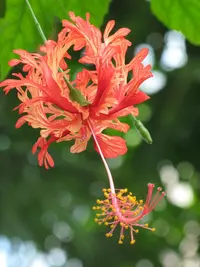
fringed rosemallow
Hibiscus schizopetalus
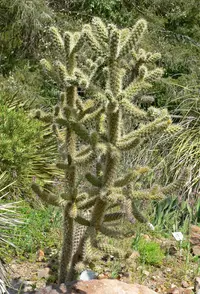
Munz's cholla
Cylindropuntia munzii
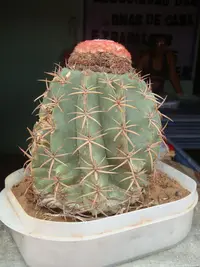
Melocactus zehntneri
Melocactus zehntneri
Starfish Cactus
Stapelia grandiflora