Bird's Nest Anthurium Care (Anthurium hookeri)

About Bird's Nest Anthurium

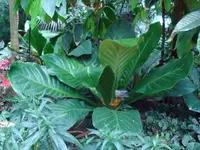
Bird's nest anthurium (Anthurium hookeri) is a tropical aroid grown mainly for its bold foliage rather than flowers. It forms a wide rosette, or “nest,” of thick, arching leaves with a slightly leathery texture and speckled petioles. In nature, it occurs in the Caribbean and parts of northern South America, often in warm, humid forest habitats. This background makes it suited to indoor conditions with stable warmth, bright shade, and evenly moist but well-drained soil. It is considered moderately easy to grow once light and humidity are adequate, and learning how to care for Bird's Nest Anthurium helps keep its foliage dense and healthy.

Main Plant Requirements

Care Difficulty

Moderate Care

Light Preference

Bright Indirect Light

Water Requirements

Moderate Water

Temperature Preference

Tropical / Frost Sensitive

Hardiness Zone

11–12

Soil Texture

Loamy, Peaty, Organic-rich

Soil pH

Acidic (5.5–6.5), Slightly acidic (6.5–7.0)

Soil Drainage

Moist but well-drained

Fertilization

Light (every 4–6 weeks)

Get Personalized Care Plan

Scan your plant to receive care tips personalized for your specific plant

Personalized Care in the App

Available on iOS and Android

How to Care for the Bird's Nest Anthurium

This species prefers bright, filtered light similar to the dappled shade of a forest edge.

  • Provide 6–8 hours of bright, indirect light daily; morning sun through an east window or shaded patio is ideal for Bird's Nest Anthurium.
  • Tolerates light shade, but growth slows and leaves stretch if light stays low for many weeks.
  • Shield from strong midday and afternoon sun, which can cause pale patches or brown scorch along leaf edges, especially in summer.

This plant prefers evenly moist, fast-draining soil that never stays saturated.

  • Water when the top 2–4 cm of soil feels dry, using enough water so it runs through, then discard any standing water.
  • In spring and summer, expect more frequent watering; in cooler or darker months, allow the top layer to dry a bit deeper before watering again for Anthurium hookeri.
  • Watch for yellowing, mushy roots or a sour smell as signs of overwatering, and leaf curl or limp, dry edges as signs of underwatering.

This tropical species prefers warm, stable conditions without sudden temperature swings.

  • Aim for 70–80°F (21–27°C) for best growth, with acceptable short-term ranges of 65–85°F (18–29°C).
  • Protect from cold; growth slows below 60°F (16°C) and tissue damage can occur near 50°F (10°C), especially with wind or damp soil.
  • Avoid frost entirely and shield from extreme heat above 90°F (32°C) by increasing shade and airflow so leaves do not overheat.

This species prefers higher humidity but adapts if air is only moderately dry.

  • Aim for 50–70% humidity for Bird's Nest Anthurium to keep leaves broad and glossy.
  • Dry indoor air causes brown leaf edges, crisp tips, and slower new growth, especially in winter heating season.
  • Increase humidity with a nearby humidifier, pebble tray under the pot, or grouping plants without misting to runoff.

This plant grows best in a loose, airy, organic-rich mix that drains quickly yet holds some moisture.

  • Use a mix of roughly 40% fine bark, 30% peat or coco coir, 20% perlite, and 10% compost for Anthurium hookeri.
  • Structure should be chunky and well aerated so roots receive oxygen and excess water drains within a few minutes.
  • Aim for slightly acidic to neutral pH, around 5.5–7.0, which suits most soilless houseplant mixes.
  • Avoid dense garden soil, clay-heavy mixes, or pots that stay waterlogged, which promote root rot and fungal problems.

This species is very suitable for container growing due to its clumping, non-invasive root system.

  • Choose a wide, heavy container to support the spreading rosette and prevent tipping as foliage enlarges.
  • Select slightly porous materials like terra-cotta if the mix stays wet for too long, to allow faster evaporation.
  • Ensure the container height allows a deep, aerated mix so thicker roots can grow downward without circling tightly.

This species benefits from light, consistent feeding during active growth.

  • Use a balanced liquid fertilizer (for example 10-10-10 or 20-20-20) at 1/4–1/2 strength for caring for Bird's Nest Anthurium in pots.
  • Apply every 4–6 weeks in spring and summer, always onto moist substrate to avoid root burn.
  • Stop or reduce feeding to once in 8–10 weeks during fall and winter when growth slows.
  • Alternatively, mix a small amount of slow-release fertilizer or mature compost into the top layer at the start of the growing season.

Anthurium hookeri needs only light, maintenance-focused pruning to stay tidy and healthy.

  • Best time is late winter to early spring, before strong new growth starts.
  • Remove yellowing, dead, or damaged leaves at the base with clean, sharp scissors or pruners.
  • Thin out crowded inner leaves to improve air flow and keep the rosette form open.
  • Disinfect tools before and after use to reduce the risk of spreading diseases.

Container-grown plants benefit from occasional repotting to refresh the medium and give roots space.

  • Plan to repot every 2–3 years in spring when growth resumes, or when roots circle the pot and emerge from drainage holes.
  • Choose a container only 2–5 cm wider than the old one and use a chunky, well-draining aroid mix.
  • Water lightly beforehand, slide the root ball out gently, and loosen circling roots without tearing them.
  • After repotting, water thoroughly once, then keep in bright, indirect light and slightly drier soil for 1–2 weeks to limit transplant shock.

This plant is most reliably propagated by division rather than from seeds or stem cuttings.

  • Divide mature clumps in late spring or early summer when the plant is actively growing.
  • Lift the plant during repotting and separate natural offsets, ensuring each division has healthy roots and several leaves.
  • Plant divisions into a moist, airy mix, then keep in warm, bright, indirect light with high humidity (60–70%).
  • Avoid overwatering; keep the medium just slightly moist until new leaf growth indicates successful establishment.

This tropical species is not frost tolerant and needs warm, stable conditions in winter.

  • In regions below 55–60°F at night, keep Anthurium hookeri as an indoor or greenhouse plant over winter.
  • Maintain indoor temperatures around 65–75°F and avoid cold drafts or placement near single-pane windows.
  • Water less often but do not let the root ball dry out completely; slightly drier soil reduces rot risk in low light.
  • If grown outdoors in mild climates, use a thick mulch layer around the root zone and cover during rare cold snaps.

Care Tips

Rotate For Symmetry

Turn the pot 90° every 2–3 weeks so the rosette stays balanced and leaves do not lean heavily to one side, which helps maintain an even, compact form when caring for Bird's Nest Anthurium.

Support Heavy Leaves

If outer leaves start to droop from weight, slip a low, circular plant support ring or discreet stakes under the foliage to keep the rosette lifted and reduce mechanical stress at the leaf base.

Keep Crown Clear

When adding mix or topdressing, keep the central crown and leaf bases free of debris or constantly wet material to reduce the risk of crown rot and bacterial issues.

Root Health Checks

Once or twice a year, slide the plant partially out of its pot to inspect roots for firmness and light color, trimming only mushy or blackened sections before gently repotting at the same depth.

Controlled Outdoor Time

In warm seasons, place the plant outdoors only in bright full shade and sheltered from wind, then reduce light gradually when bringing it back indoors to avoid shock and torn leaves.

Common Pests and Diseases

Mealybugs

This pest feeds on leaf undersides and in leaf axils, drawing sap and leaving cottony white clusters that can stunt growth and cause leaf yellowing.

Solution

Wipe visible insects off with cotton pads dipped in 70% isopropyl alcohol, then wash foliage and petioles with lukewarm soapy water; repeat weekly until no new clusters appear and isolate the plant from others during treatment.

Scale insects

These insects form small, hard, brown or tan bumps along stems and leaf midribs, weakening the plant and causing yellow patches or sticky honeydew on leaves.

Solution

Gently scrape off or wipe individual scales with an alcohol-damped cloth, then treat the plant with an insecticidal soap or neem oil spray every 7–10 days, ensuring good coverage on stems and leaf undersides.

Bacterial blight

This disease causes water-soaked, translucent leaf spots that expand rapidly into irregular brown or black lesions, often starting along the leaf margin or at mechanical injuries.

Solution

Immediately remove and discard affected leaves, keep foliage dry by watering at the soil level, improve air movement around the plant, and avoid overcrowding; in severe cases, discard heavily affected specimens to prevent spread to nearby anthuriums.

Bacterial leaf spot

Symptoms include small, angular, water-soaked spots that may have yellow halos and gradually merge, leading to unsightly foliage and premature leaf drop.

Solution

Remove affected leaves, disinfect pruning tools with 10% bleach or 70% alcohol between cuts, reduce overhead misting, and allow the potting mix surface to dry slightly between waterings to limit splash and spread of bacteria.

Rhizoctonia stem canker

This disease attacks the lower stem and crown, causing brown, sunken cankers and collapse of leaves near the base, especially in warm, overly moist conditions typical when trying to grow Anthurium hookeri in very humid rooms.

Solution

Cut away and discard all visibly affected tissue, improve drainage and avoid water sitting at the stem base, then repot into fresh, chunky aroid mix; reduce watering frequency and increase airflow around the base to prevent reinfection.

Interesting Facts

Rosette leaf strategy

This species forms a dense rosette of upward-arching leaves that funnels organic debris toward its center, helping trap falling material that slowly enriches the root zone in its natural habitat.

Pebbled leaf texture

The leaves have a distinctly rough, pebbled surface (bullate texture) that increases surface irregularity and may help manage water runoff and light scattering in bright tropical conditions.

Bird-dispersed seeds

Its small, clustered berries are eaten by birds in its native range, and the seeds pass through the digestive tract, aiding long-distance dispersal and maintaining wild populations.

Botan icon

Did you know?

In its native Caribbean and tropical American habitats, this species often grows as a lithophyte or epilithic plant, anchoring onto rocks or rocky outcrops rather than typical forest soil, which helps it exploit moist, well-drained microhabitats that many competitors cannot use.

FAQs about Bird's Nest Anthurium

In typical indoor conditions, this plant usually reaches 45–75 cm tall and wide, forming a broad rosette. In very favorable greenhouse or tropical outdoor conditions, it can slowly expand to around 90 cm across over time.

Grow Healthy Plants with Botan Care

Keep your plants happy and healthy with plant identification, disease detection, and easy care guidance.

Botan plant care app — identify plants on mobile

Explore More Plants