Tuberous sword fern Care (Nephrolepis cordifolia)

Also known as: Fishbone Fern, sword fern, tuber sword fern, ladder fern, Tuberous Sword Fern, Boston fern, Erect Sword Fern, Ladder Sword Fern

About Tuberous sword fern

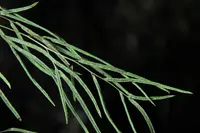
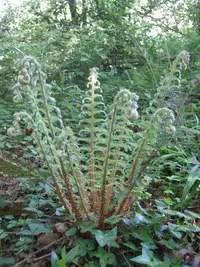
Tuberous sword fern, Nephrolepis cordifolia, is an evergreen fern grown for its arching fronds and small underground tubers that store water and nutrients. It forms dense, fountain-like clumps that suit pots, hanging baskets, or shaded garden beds. This species is native to tropical and subtropical regions of Asia and the Pacific, where it often grows in warm, humid forests or along shaded slopes. In mild climates it can naturalize outdoors and spread steadily over time. The plant is considered relatively forgiving, as the tubers help it tolerate short dry spells and minor care mistakes. It prefers bright, indirect light, consistent moisture, and a loose, well-drained mix, making it practical for those learning how to care for Tuberous sword fern.

Main Plant Requirements

Care Difficulty

Moderate Care

Light Preference

Partial Shade

Water Requirements

Keep Soil Moist

Temperature Preference

Warm Climate

Hardiness Zone

8–11

Soil Texture

Loamy, Peaty, Organic-rich

Soil pH

Acidic (5.5–6.5), Slightly acidic (6.5–7.0)

Soil Drainage

Moist but well-drained

Fertilization

Light (every 4–6 weeks)

Get Personalized Care Plan

Scan your plant to receive care tips personalized for your specific plant

Personalized Care in the App

Available on iOS and Android

How to Care for the Tuberous sword fern

Nephrolepis cordifolia prefers bright, indirect light similar to a lightly shaded forest edge.

  • Provide 3–6 hours of filtered or dappled light daily, such as morning sun through a sheer curtain or under open tree canopy.
  • Tolerates partial shade and north or east exposure, but fronds may thin or elongate if light stays very low, especially in winter.
  • Avoid harsh midday or afternoon sun, which can scorch fronds; move Tuberous sword fern slightly farther from windows or add light shade outdoors in summer.

This fern favors consistently moist but not waterlogged soil throughout the growing season.

  • Water when the top 2–3 cm of soil feels slightly dry, allowing deeper soil to stay lightly moist rather than fully drying out.
  • Reduce frequency in winter, especially in cool rooms, but never let the root zone become bone dry; fronds crisping or folding indicate underwatering.
  • Ensure soil drains freely to prevent soggy conditions; persistent wetness, yellowing fronds, or a musty smell suggest overwatering or poor drainage for Nephrolepis cordifolia.

This species grows best in mild, frost-free conditions with stable, moderate temperatures.

  • Aim for 65–80°F (18–27°C) during active growth, which supports steady frond production and healthy root development.
  • Tolerates brief drops to about 40°F (4°C) but foliage may suffer; prolonged exposure below 35°F (2°C) or any hard frost can kill fronds or crowns.
  • In hot spells above 90°F (32°C), give extra shade and monitor soil moisture, as combined heat and dryness quickly stress the plant.

This fern prefers moderately humid air but adapts to many home environments if kept evenly moist at the roots.

  • Aim for 50–70% humidity; it tolerates brief dips lower if soil moisture is consistent.
  • In air below ~40%, fronds of Tuberous sword fern may brown at tips, feel crisp, and shed more.
  • Increase humidity with grouped plants, a room humidifier, or a wide pebble tray that allows air flow around the pot.

This species prefers loose, moist, organic-rich soil that drains quickly yet does not dry out too fast.

  • Use a mix of 2 parts peat or coco coir, 1 part compost, and 1 part perlite or fine bark for Nephrolepis cordifolia.
  • Target pH around 5.5–6.5, avoiding strongly alkaline mixes that slow nutrient uptake and weaken frond growth.
  • Keep texture airy; if soil compacts, blend in extra perlite or bark chips to improve aeration and root health.
  • Avoid heavy clay-based mixes or pots without free drainage, which promote soggy conditions and root or rhizome rot.

This fern is well suited to container growing, including hanging baskets and balcony pots.

  • Choose a wide, shallow-to-medium-deep pot so spreading rhizomes have room without trapping excess water in deep, wet zones.
  • Use a stable, heavier container or hanging basket hardware to prevent tipping as foliage becomes dense and top-heavy.
  • Select slightly porous materials like terracotta only if you can water more often, since they accelerate moisture loss compared with plastic.

This fern responds well to modest, consistent feeding during the growing season.

  • Use a balanced liquid fertilizer (for example 10-10-10) at 1/4–1/2 strength every 4–6 weeks in spring and summer for Nephrolepis cordifolia.
  • Alternatively, top-dress with a thin layer of sieved compost or use a slow-release fertilizer at label rates.
  • Skip feeding in winter, or limit to very light applications if growth continues indoors.
  • Water before applying fertilizer to reduce root burn and avoid feeding drought-stressed plants.

Pruning helps keep Tuberous sword fern dense, tidy, and free of damaged foliage.

  • Best time for major tidying is late winter to early spring, with light touch-ups year-round as needed.
  • Remove brown, yellow, or torn fronds at the base using clean, sharp scissors or hand pruners.
  • Thin out very crowded, weak fronds to improve air flow and encourage stronger new growth.
  • Trim long, straggly fronds back to a side leaflet or the crown to maintain a compact, arching shape.

This fern forms tubers and eventually needs more space to sustain healthy growth.

  • Plan to repot every 1–2 years when roots circle the pot, water runs straight through, or growth slows.
  • Best timing is in spring, when Nephrolepis cordifolia resumes active growth and recovers faster from disturbance.
  • Move into a pot 2–3 cm wider with fresh, peat-free, well-drained mix and gently loosen crowded roots.
  • Water thoroughly after repotting, keep in bright, indirect light, and maintain steady moisture until new growth appears.

Nephrolepis cordifolia is commonly propagated by division or by using its spreading runners.

  • Divide mature clumps in spring, separating sections with several fronds and healthy roots or tubers.
  • Replant divisions into moist, well-drained mix, keeping crowns at the same depth and spacing plants slightly apart.
  • Runner plantlets with small roots can be potted while still attached, then separated once established.
  • Maintain high humidity, bright indirect light, and evenly moist substrate to support rooting and early growth.

This fern is only frost-tolerant in mild climates and benefits from simple winter protection in colder areas.

  • Move container plants indoors before temperatures drop below 40°F, placing them in bright, indirect light.
  • In the ground, apply 5–8 cm of organic mulch over the root zone to buffer freeze–thaw cycles.
  • If foliage is damaged by frost, leave it in place until late winter, then remove dead fronds to allow new growth.

Care Tips

Rhizome Division

Every 2–3 years, lift the plant and divide thick, bead-like rhizomes into clusters with several fronds and roots to rejuvenate growth and create new, vigorous plants.


Basket Edge Management

When grown in hanging baskets, periodically trim or thin only the longest, outer fronds so light can reach the crown and inner fronds stay dense rather than sparse and shaded out.

Surface Rhizome Control

Inspect the soil surface and pot edges every few months and gently redirect or prune escaping rhizomes so the plant does not become rootbound or invade neighboring pots.

Quarantine After Purchase

After buying a new plant, keep it isolated from other houseplants for 10–14 days and inspect the fronds’ undersides for scale or mites before placing it in the main collection, which simplifies caring for Tuberous sword fern in mixed displays.

Outdoor Pot Sinking

In mild climates, sink the pot into garden soil during the warm season so the root zone stays cooler and evenly moist, then lift and clean the container before bringing it back indoors for winter.

Common Pests and Diseases

Spider mites

This pest feeds on fronds, causing tiny pale speckles, dulling of foliage, and fine webbing, especially in dry indoor air. Symptoms include gradual yellowing and a tired, dusty look to the plant.

Solution

Rinse fronds thoroughly with a strong but gentle stream of lukewarm water, including the undersides, and repeat every few days for 2–3 weeks; increase humidity to 50–60% and avoid placing the plant near heating vents. For heavier infestations, use insecticidal soap or a ready-to-use neem oil spray, applied to all frond surfaces according to label directions.

Scale insects

These insects appear as small brown or tan bumps on frond midribs and stolons, often accompanied by sticky honeydew and sooty mold. This pest can cause gradual yellowing, stunted new fronds, and overall decline if not controlled.

Solution

Physically remove visible scales with a cotton swab dipped in isopropyl alcohol, then wash the plant with lukewarm water and mild insecticidal soap. Repeat inspections weekly and re-treat any new spots; for persistent problems, use a systemic insecticide labeled for ferns in containers, following directions closely.

Mealybugs

These insects form white, cottony clusters in frond bases, along stolons, and near the soil line. This pest sucks sap, leading to distorted new fronds, sticky residue, and weakened growth.

Solution

Isolate the plant, then dab visible mealybug clusters with a cotton swab dipped in isopropyl alcohol and rinse the foliage afterward. Follow up with an insecticidal soap or neem oil spray every 7–10 days until no new insects appear, and check nearby plants to prevent reinfestation while maintaining good Nephrolepis cordifolia plant care.

Rhizoctonia leaf blight

This disease causes irregular brown lesions on fronds that can merge into blighted patches, often starting in dense, shaded interior growth. Symptoms include frond collapse and dieback in humid, poorly ventilated conditions.

Solution

Remove and discard all affected fronds and any dense, matted growth to open the plant center, then improve airflow by thinning and spacing plants and using a fan if needed. Water at the soil level in the morning so fronds dry quickly, avoid overhead watering, and if spread continues, apply a fungicide labeled for Rhizoctonia on ornamental ferns following product instructions.

Pythium root and crown rot

This disease develops in consistently waterlogged or poorly drained soil, causing blackened, mushy roots and crowns, with fronds turning yellow, then brown and collapsing. Symptoms include a plant that wilts despite wet soil and may smell sour at the base.

Solution

Remove the plant from its pot, trim off all soft, dark roots and affected crown tissue, and repot into fresh, well-draining mix in a pot with ample drainage holes. Reduce watering so the top 2–3 cm of soil dries slightly between waterings, improve container drainage and airflow, and consider a preventive drench with a fungicide labeled for Pythium in ornamentals if the plant is valuable and the problem has occurred before.

Interesting Facts

Tuber-forming fern

This species forms small, starchy, bead-like tubers along its underground rhizomes that store water and nutrients, helping it survive dry spells better than many other ferns.

Natural epiphyte ability

In the wild it often grows as an epiphyte on tree trunks or rock surfaces, anchoring in moss and debris rather than soil, which reflects its preference for airy, well-drained root conditions.

Global naturalized spread

Originally native to parts of Asia and the Pacific, it has become naturalized in many warm regions worldwide and can behave as an invasive species, especially in moist, frost-free climates such as parts of Florida and Hawaii.

Botan icon

Did you know?

This fern has been used in controlled experiments on indoor air quality, where living fronds and their associated root-zone microbes demonstrated the ability to remove certain airborne volatile organic compounds from sealed test chambers, contributing to its reputation as a useful plant for indoor environments.

FAQs about Tuberous sword fern

Yellowing fronds usually result from overwatering, waterlogged soil, or natural aging of older leaves. Check drainage, reduce watering frequency, and remove old fronds so new growth gets more light and air circulation.

Grow Healthy Plants with Botan Care

Keep your plants happy and healthy with plant identification, disease detection, and easy care guidance.

Botan plant care app — identify plants on mobile

Explore More Plants