Tasmanian tree fern Care (Dicksonia antarctica)

Also known as: Tasmanian tree-fern, man fern, Australian tree-fern, Bristly Tree Fern

About Tasmanian tree fern

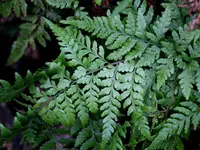
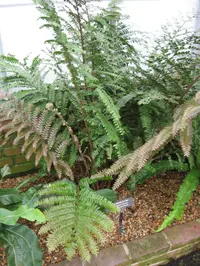
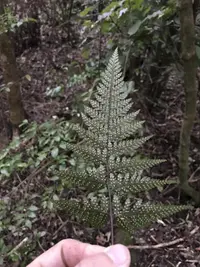
The Tasmanian tree fern, Dicksonia antarctica, is an evergreen tree fern valued for its tall fibrous trunk and broad, arching fronds. It creates a lush, prehistoric look in shaded gardens. Native to cool, moist forests of southeastern Australia and Tasmania, it naturally grows under taller trees where light is filtered and humidity stays high. In cultivation, it prefers consistently damp soil rich in organic matter and good shelter from hot, drying winds. It grows slowly and can be long-lived when its crown and trunk base are protected from drying out or freezing. Understanding how to care for Tasmanian tree fern starts with providing stable moisture and a cool, shaded position.


Main Plant Requirements

Care Difficulty

Moderate Care

Light Preference

Partial Shade

Water Requirements

Keep Soil Moist

Temperature Preference

Cool Climate

Hardiness Zone

8–10

Soil Texture

Loamy, Peaty, Organic-rich

Soil pH

Acidic (5.5–6.5), Slightly acidic (6.5–7.0)

Soil Drainage

Moist but well-drained

Fertilization

Minimal (feed rarely)

Get Personalized Care Plan

Scan your plant to receive care tips personalized for your specific plant

Personalized Care in the App

Available on iOS and Android

How to Care for the Tasmanian tree fern

This fern prefers cool, shaded conditions that mimic a damp forest understory.

  • Provide bright, dappled or filtered light with 1–3 hours of gentle morning sun; avoid direct midday or afternoon sun, which can scorch fronds.
  • Site the Tasmanian tree fern in partial to full shade, especially in summer, using taller plants or shade cloth to diffuse intense light.
  • Monitor frond color: pale, crisp edges suggest too much sun, while very sparse, stretched fronds indicate insufficient light, especially in winter.

Moist, humus-rich soil and a damp trunk are essential for healthy growth.

  • Keep soil consistently moist but not waterlogged; allow only the top 1–2 cm to dry slightly before watering again.
  • In active growth, water thoroughly around the root zone and over the crown/trunk, reducing frequency in cool winter conditions while never letting the root ball fully dry.
  • Watch for limp, browning frond tips as a sign of underwatering, and yellowing, mushy bases or sour odor as signs of overwatering or poor drainage for Dicksonia antarctica.

This species prefers cool, mild conditions and tolerates some cold if roots and crown are protected.

  • Optimal growth occurs around 50–70°F (10–21°C), with best frond development in consistently cool, moist sites.
  • Mature plants can survive brief drops to about 20–23°F (-6 to -5°C) if the crown and trunk base are heavily mulched and sheltered from drying winds.
  • In hot spells above 80°F (27°C), provide deep shade, increase humidity, and water soil and trunk more often to reduce heat stress and frond scorch.

This fern needs consistently high humidity to keep the fronds lush and prevent desiccation.

  • Aim for 60–80% humidity; prolonged exposure below 50% quickly dries fronds and trunk fiber.
  • Dry indoor air causes crisping frond tips, rolled new fronds, and brown trunk fiber layers as stress signs.
  • Increase humidity by daily misting of the trunk and fronds, grouping plants, and placing trays of water and pebbles nearby; this is essential when caring for Tasmanian tree fern.

Dicksonia antarctica prefers deep, moisture-retentive but well-aerated soil rich in organic matter.

  • Use a loamy mix with high organic content: roughly 50% composted bark or leaf mold, 30% garden loam, 20% coarse material such as perlite or grit.
  • Ensure free-draining structure; soil should stay evenly moist yet never waterlogged, or the trunk base may rot.
  • Target slightly acidic to neutral pH around 6.0–7.0, which supports nutrient availability and healthy root growth.
  • Avoid heavy, compacted clay or pure sand; improve structure by blending in coarse bark chips and perlite to boost aeration and drainage.

This species can grow in large containers if the pot is stable and moisture management is controlled.

  • Choose a wide, heavy container to counter the top-heavy crown and prevent the pot from tipping in wind or when watered heavily.
  • Select a thick-walled pot material such as glazed ceramic or double-walled plastic to slow moisture loss around the fibrous root zone.
  • Position the trunk so the crown sits above the rim, allowing easy watering into the trunk core and preventing frond bases from sitting in pooled water.

Dicksonia antarctica benefits from light, consistent feeding rather than heavy fertilization.

  • Use a balanced, dilute liquid fertilizer (around 10-10-10) at 1/4–1/2 strength during the growing season.
  • Apply every 4–6 weeks in spring and summer, always onto moist soil to avoid root burn.
  • Incorporate a thin layer of compost around the root zone once a year for gentle nutrition.
  • Suspend feeding or reduce to very weak applications in fall and winter when growth slows.

Pruning Dicksonia antarctica focuses on cleanliness and safety rather than shaping.

  • Best time is late winter or early spring, before strong new frond growth begins.
  • Remove only dead, brown, or damaged fronds at their base using clean, sharp pruners or a pruning saw.
  • Retain healthy old fronds if possible, as they protect the trunk and contribute to the plant’s form.
  • Avoid cutting into the top crown, since damage there can permanently stop new frond production.

Most Tasmanian tree fern specimens are grown in the ground, but container plants or young trunks sometimes need moving.

  • Transplant or shift to a larger container in early spring when roots circle the pot or growth slows noticeably.
  • Handle the trunk carefully, keeping the fibrous root ball intact to limit shock.
  • Set the crown at the same height as before, backfill with moisture-retentive, well-drained mix, and water thoroughly.
  • Provide deep shade, high humidity, and steady moisture for several weeks after moving to help recovery.

Propagation of Dicksonia antarctica is technically possible but slow and usually left to specialist growers.

  • Spore propagation requires collecting ripe sori, sowing on sterile, fine medium, and maintaining constant warmth and high humidity.
  • Germination is very slow, often taking many months before prothalli and then young ferns appear.
  • Division of the main trunk is generally not recommended, as it frequently kills the plant.
  • For most home gardeners, buying established plants is more reliable than attempting propagation at home.

Dicksonia antarctica is relatively cold tolerant but benefits from targeted winter protection in colder regions.

  • Mature trunks tolerate brief drops to about 20–23°F, but prolonged hard freezes can damage the crown.
  • Mulch heavily around the base with 10–15 cm of bark, leaves, or straw to insulate roots.
  • Wrap the crown and upper trunk with breathable fleece or burlap in severe cold, keeping the center dry.
  • Move container-grown plants into a cool, frost-free, shaded space and maintain slightly moist soil.

Care Tips

Protective trunk wrapping

In regions with frost, wrap the trunk and crown loosely with breathable horticultural fleece and fill the crown with dry straw or bracken in late fall, then remove this protection gradually in spring to prevent rot and sun scorch on new fronds.

Crown hydration channel

Create a shallow saucer-like depression in the top of the trunk with your hand so water and dilute fertilizer briefly pool in the crown instead of running off the sides, ensuring the fibrous core stays evenly moist without constant overhead spraying.

Shaded root run

Underplant around the base with low, shade-tolerant groundcovers to keep roots cool, reduce surface evaporation, and stabilize soil moisture, which supports sustained frond production in summer.

Wind buffering strategy

In exposed gardens, position temporary windbreak mesh or plant taller shrubs on the windward side to reduce frond shredding and mechanical stress on the crown during storms.

Gradual site shifts

If relocating an established plant, move the container or root ball in stages over several weeks and maintain the original light orientation, which reduces transplant shock and supports stable growth when growing Tasmanian tree fern.

Common Pests and Diseases

Scale insects

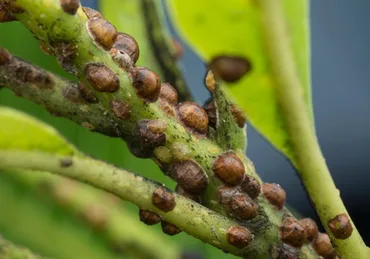
These insects attach to the fibrous trunk and frond bases, sucking sap and weakening the fern over time. Symptoms include sticky honeydew, sooty mold growth, and small brown or tan bumps on stems and rachis.

Solution

Remove light infestations by gently scrubbing the trunk and affected frond bases with a soft brush and water, or by wiping fronds with a cloth dipped in diluted insecticidal soap. For heavier infestations, repeat insecticidal soap or horticultural oil sprays every 7–10 days, and improve air movement and plant vigor with consistent moisture and appropriate shade.

Vine weevils

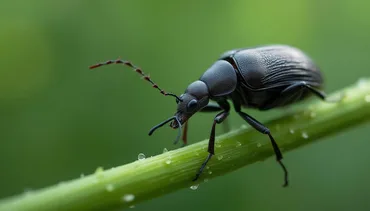
These insects damage the plant in two stages: adults chew notches in frond edges, while larvae feed on roots and the fibrous base, causing wilting and poor growth. Symptoms include scalloped frond margins, sudden collapse in containers, and loosened, chewed roots.

Solution

Hand-pick adults at night from fronds and surrounding structures, and avoid leaving dense groundcovers right at the trunk base. For larvae, apply entomopathogenic nematodes to moist soil or container mix in late summer or early autumn, and avoid letting the root zone dry out completely while treatments are active.

Soft rot of crown

This disease affects the central crown where new fronds emerge, especially after mechanical damage or prolonged waterlogging. Symptoms include a foul smell, soft brown tissue in the crown, and failure of new fronds to unfurl or emerge.

Solution

Cut out all soft, discolored tissue from the crown with a sterile knife, keeping as much firm pale tissue as possible, and allow the area to dry slightly between waterings. Improve drainage, avoid overhead watering directly into the crown, keep the trunk just evenly moist rather than saturated, and consider a preventive fungicide drench labeled for crown rots if conditions remain persistently wet.

Leaf spot

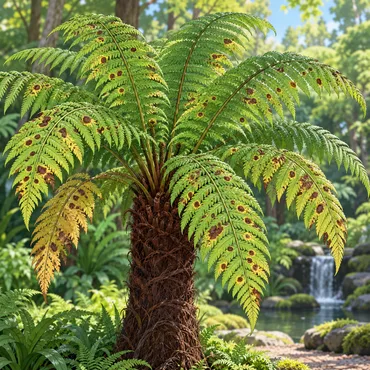
This disease produces dark, water-soaked or tan spots on fronds that may merge into larger blotches, especially in humid, still air. Symptoms include premature browning of older fronds and spotting that often starts along the pinnae margins or midrib.

Solution

Prune and dispose of affected fronds to reduce inoculum, cutting cleanly at the base without damaging the crown. Increase spacing and airflow, water at soil level rather than overhead, and if spotting continues, use a fern-safe fungicide according to label directions while maintaining stable, moderate humidity.

Interesting Facts

Living fossil lineage

This species belongs to one of the most ancient fern lineages, with close relatives known from fossils more than 150 million years old, and its overall form has changed very little since the age of dinosaurs.

Trunk made of roots

The fibrous trunk is not woody; it is built from a dense mass of old leaf bases and adventitious roots that grow down the outside of the stem, allowing the plant to store water and nutrients like a living sponge.

Cool rainforest specialist

In the wild it occurs naturally in cool, moist temperate rainforests of southeastern Australia and Tasmania, where it often lines shaded gullies and creek banks under taller eucalypt canopies.

Botan icon

Did you know?

Individual Tasmanian tree ferns can live for well over 100 years and slowly form trunks that may exceed several meters in height, so some wild specimens visible today likely began growing before the start of the 20th century.

FAQs about Tasmanian tree fern

Browning fronds usually result from low humidity, underwatering, or heat and wind scorch. Check that the trunk and soil never fully dry, increase ambient humidity, and protect the crown from hot sun and drying winds.

Grow Healthy Plants with Botan Care

Keep your plants happy and healthy with plant identification, disease detection, and easy care guidance.

Botan plant care app — identify plants on mobile

Explore More Plants