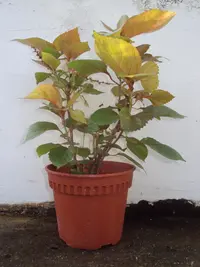
Elephant's Foot Plant Care (Dioscorea elephantipes)

Also known as: Elephant's Foot

About Elephant's Foot Plant

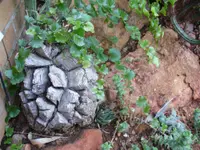
Dioscorea elephantipes, often called elephant’s foot or turtle back, is a slow-growing caudiciform vine from arid regions of South Africa. It forms a hard, woody, patterned caudex that stores water and gives the plant its distinctive appearance.

Slender climbing vines with heart-shaped leaves emerge seasonally from the caudex, then die back during rest periods. Growth is strongly tied to seasonal rhythms, which can confuse beginners.

This species is drought tolerant and prefers bright light, very sharp drainage, and careful watering, which reduces the risk of rot. Once the seasonal cycle is understood, it is relatively straightforward to care for Elephant's Foot Plant in containers indoors or in protected outdoor spaces.

Main Plant Requirements

Care Difficulty

Moderate Care

Light Preference

Full Sun

Water Requirements

Low Water

Temperature Preference

Tropical / Frost Sensitive

Hardiness Zone

10–11

Soil Texture

Sandy, Loamy, Rocky

Soil pH

Slightly acidic (6.5–7.0), Neutral (7.0)

Soil Drainage

Well-drained

Fertilization

Minimal (feed rarely)

Get Personalized Care Plan

Scan your plant to receive care tips personalized for your specific plant

Personalized Care in the App

Available on iOS and Android

How to Care for the Elephant's Foot Plant

This caudiciform vine prefers bright, indirect light with some gentle direct sun each day.

  • Provide 4–6 hours of morning sun or late-afternoon sun, with light shade during harsh midday to prevent scorching of the caudex surface.
  • It tolerates bright partial shade, but very low light causes stretched, weak vines and small leaves; move it gradually to a brighter position if growth looks sparse.
  • In winter, especially for Elephant's Foot Plant indoors, place it near a bright window or under a grow light for 10–12 hours to compensate for short days.

Watering must follow the plant’s growth cycle and the drying pattern of the soil.

  • During active growth, water only when the top 3–5 cm of soil are completely dry, then water thoroughly so excess drains away.
  • Use a very free-draining mix; a soft, wrinkling caudex and limp vines often signal underwatering, while yellowing leaves or a mushy base point to overwatering and possible rot.
  • In summer dormancy, reduce watering drastically and let the soil dry almost completely, giving only a light drink every few weeks if the caudex begins to shrivel slightly.

This species prefers warm, dry air and does poorly in cold or very damp conditions.

  • Aim for 65–80°F (18–27°C) during active growth, with nights slightly cooler but still above 55°F (13°C) for steady development.
  • Protect it from cold; growth slows below 55°F (13°C) and damage occurs near 40°F (4°C), so avoid exposure to frost or cold, wet soil.
  • In hotter periods up to about 90°F (32°C), provide good airflow and some shade to prevent overheating of the caudex and roots, especially in enclosed spaces.

This caudiciform succulent prefers relatively dry air but tolerates the range found in most homes.

  • Aim for 30–50% humidity; avoid sustained levels above 60% that keep the caudex surface damp.
  • Dry indoor air is usually fine; issues arise more from wet media than low humidity.
  • Humidity stress shows as lingering moisture on the caudex, soft spots, or mold; increase air movement with a small fan rather than misting Elephant's Foot Plant.

Soil for Dioscorea elephantipes must drain very rapidly while staying slightly moisture-retentive around the roots.

  • Use a gritty, sandy mix such as 50–70% inorganic material (pumice, perlite, coarse sand, small gravel) blended with 30–50% lean cactus potting mix.
  • Ensure the mix falls apart when squeezed and does not form a sticky ball, which would hold too much water around the caudex.
  • Aim for slightly acidic to neutral pH around 6.0–7.0, avoiding heavy additions of lime or strongly alkaline amendments.
  • Avoid peat-heavy, compacted, or water-retentive mixes and improve drainage by increasing coarse mineral content if the pot stays wet longer than 2–3 days.

This species is very suitable for container growing due to its slow growth and compact caudex.

  • Select a wide, shallow pot that allows the caudex to sit slightly raised, which prevents moisture from collecting around its base.
  • Choose a heavier material such as clay or ceramic to stabilize the pot as the vine extends and becomes top-heavy on supports.
  • Keep the caudex positioned off-center if using a trellis, so the structure can anchor firmly in the remaining substrate for better balance.

This caudiciform succulent has low nutrient demand but responds to light, controlled feeding during its active season.

  • Use a balanced liquid fertilizer (around 10-10-10 or 20-20-20) diluted to 25–50% strength for Elephant's Foot Plant.
  • Feed every 4–6 weeks during active vine growth in spring and summer only.
  • Avoid fertilizing during dormancy when leaves yellow and die back, typically in the hotter, drier period.
  • Choose products low in urea, and water lightly before feeding to reduce root burn risk.

Pruning needs for Dioscorea elephantipes are minimal and mainly focused on tidiness and vine management.

  • Carry out light pruning during the active growing season when vines are leafy and flexible.
  • Remove dead, yellowing, or damaged twining stems with clean, sharp scissors or snips.
  • Shorten overly long or tangled vines to maintain a manageable framework on the support.
  • Avoid cutting into the caudex; shaping is done only through training and selective stem removal.

This species grows slowly and prefers infrequent disturbance, so repotting is only needed occasionally.

  • Repot every 3–5 years, or when roots circle the pot or growth slows despite good light and water.
  • Plan repotting in late winter to early spring, just before new vine growth starts.
  • Choose a wide, shallow pot with excellent drainage and keep the caudex mostly above the soil line.
  • Handle roots gently, avoid breaking the caudex, and water lightly after repotting to limit stress.

Propagation of Dioscorea elephantipes is most reliable from seed and is generally a slow process.

  • Sow fresh seeds in late winter to spring in a very well-drained, sandy mix.
  • Maintain temperatures around 70–80°F, bright indirect light, and consistently lightly moist, not wet, substrate.
  • Cover seeds lightly, as fine surface sowing improves oxygen access and germination.
  • Keep seedlings in small pots for several years, avoiding disturbance of the developing caudex and roots.

This caudiciform is frost sensitive and needs cool, dry, but not freezing conditions in winter.

  • Keep temperatures ideally above 45°F; short dips slightly lower may scar the caudex.
  • Move container plants indoors or into a greenhouse before frost is forecast.
  • Reduce watering sharply in winter dormancy, allowing the mix to dry almost completely.
  • Ensure the caudex stays dry and well ventilated to prevent rot in cool conditions.

Care Tips

Seasonal Rest Control

At the end of the growing season, gradually reduce watering and allow the vine to yellow naturally, then keep the caudex completely dry and cool during dormancy to prevent rot and extend its lifespan.

Vine Support Management

Provide a light trellis or mesh for the twining vines and prune or redirect new shoots early, so the foliage stays compact and does not pull or stress the caudex.

Caudex Surface Protection

Position the caudex just above the soil line and avoid top-dressing with stones or moss so air can circulate around the thickened stem and the patterned surface remains dry and healthy.

Targeted Pest Checks

Inspect the caudex fissures and the undersides of leaves every few weeks with a hand lens for mealybugs and scale, and spot-treat early with an alcohol swab or labeled insecticidal soap before infestations spread.

Repotting Interval Planning

Repot only every 3–4 years, moving to a slightly wider but shallow pot just as new growth starts, to refresh the gritty mix without encouraging excessive moisture retention, which is important when caring for Elephant's Foot Plant.

Common Pests and Diseases

Mealybugs

These insects feed on sap and often hide in the crevices of the caudex and at stem joints, producing white cottony clusters. Symptoms include sticky honeydew, sooty mold on nearby surfaces, and slowing growth during the active season.

Solution

Isolate the plant, then dab visible pests with cotton swabs dipped in 70% isopropyl alcohol and repeat weekly until no new clusters appear. For heavier infestations, rinse the caudex and vines with a firm stream of water and use a systemic insecticide labeled for indoor succulents, ensuring the soil dries well afterward to protect the tuber.

Scale insects

This pest appears as small, brown or tan shell-like bumps on the woody caudex and climbing stems, often blending with the cracked surface. Symptoms include yellowing leaves on the vine, sticky residue, and weakened seasonal growth.

Solution

Gently scrape individual scales from the caudex with a soft toothbrush or fingernail and wipe the area with diluted alcohol. For persistent problems, apply a horticultural oil spray during the plant’s active growth phase, thoroughly coating stems and the caudex surface while avoiding waterlogged soil.

Spider mites

These insects favor the fine foliage of the vine during warm, dry indoor conditions, causing stippled leaves and fine webbing on tendrils. Symptoms include dull, speckled leaves that may yellow and drop prematurely while the caudex remains firm.

Solution

Rinse the vine under lukewarm water, focusing on leaf undersides, then increase humidity around the foliage without wetting the caudex for long periods. If mites persist, apply an insecticidal soap or neem-based spray every 5–7 days during the growing season, and keep the plant slightly cooler and away from hot, dry drafts to improve Dioscorea elephantipes care.

Soft caudex rot

This disease affects the swollen tuber when soil stays wet and cold, leading to soft, discolored, or foul-smelling areas on the caudex surface. Symptoms include sudden collapse of new shoots and wrinkling or sinking of parts of the caudex.

Solution

Immediately unpot the plant, remove all mushy tissue with a sterile knife, and allow the remaining healthy caudex to dry several days in a warm, airy place before repotting in a very coarse, fast-draining mix. After repotting, water sparingly, keep temperatures above 65°F, and ensure the pot has excellent drainage to prevent recurrence.

Interesting Facts

Living caudiciform shield

This species forms a hard, corky, turtle-shell-like caudex that can slowly grow to more than 1 m across, acting as a water and carbohydrate reservoir that allows the plant to survive long dry seasons in its native South African habitat.

Opposite-season growth cycle

The vine typically grows during the cool, wetter winter months and goes dormant in summer, an adaptation to the Mediterranean-type climate of the Eastern and Western Cape where heat and drought coincide with the warm season.

Sexes on separate plants

It is a dioecious species, meaning individual plants are either male or female and bear only one type of flower, so seed production in cultivation requires both sexes to be grown together.

Botan icon

Did you know?

Some wild individuals are believed, based on growth ring and field observations, to be several hundred years old, making this caudiciform vine one of the longest-lived geophytes known from South Africa’s succulent flora.

FAQs about Elephant's Foot Plant

Yellowing leaves often signal natural dormancy, age, or stress from excess moisture. Check that the caudex and roots are not sitting in wet, compacted soil, and allow the potting mix to dry more between waterings.

Grow Healthy Plants with Botan Care

Keep your plants happy and healthy with plant identification, disease detection, and easy care guidance.

Botan plant care app — identify plants on mobile

Explore More Plants