Fasciated haworthia Care (Haworthiopsis fasciata)

Also known as: Gamtoos Haworthia

About Fasciated haworthia

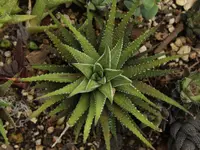
Fasciated haworthia (Haworthiopsis fasciata) is a small succulent prized for its compact rosette shape and bold, white horizontal bands on dark green leaves. The leaves are firm, triangular, and slightly curved inward, giving the plant a sculptural look that suits desks, shelves, and windowsills.

This species is native to South Africa, where it grows in rocky, well-drained habitats with bright but filtered light. It is slow growing and stays relatively small, which makes it suitable for containers and indoor displays.

Haworthiopsis fasciata is considered an easy succulent, as it tolerates some neglect, prefers bright indirect light, and needs infrequent watering in gritty, fast-draining soil. These traits make it straightforward for beginners who want to learn how to care for Fasciated haworthia.

Main Plant Requirements

Care Difficulty

Easy Care

Light Preference

Bright Indirect Light

Water Requirements

Low Water

Temperature Preference

Tropical / Frost Sensitive

Hardiness Zone

10–11

Soil Texture

Sandy, Loamy, Rocky

Soil pH

Acidic (5.5–6.5), Slightly acidic (6.5–7.0)

Soil Drainage

Well-drained

Fertilization

Minimal (feed rarely)

Get Personalized Care Plan

Scan your plant to receive care tips personalized for your specific plant

Personalized Care in the App

Available on iOS and Android

How to Care for the Fasciated haworthia

This compact succulent prefers bright, indirect light and can adapt to a range of household exposures.

  • Provide 4–6 hours of bright, filtered light daily, such as near an east or bright north window with sheer curtains.
  • Tolerates light morning sun but protect Fasciated haworthia from strong midday or afternoon sun, which can cause leaf scorch and bleaching.
  • If leaves stretch, lose markings, or lean strongly to one side, move the plant to a brighter spot, especially during short winter days.

Water Haworthiopsis fasciata sparingly, allowing the soil to dry well between waterings.

  • Let at least the top 3–5 cm of soil dry before watering; in very free-draining mixes, allow almost complete drying for healthy roots.
  • In spring and summer, water thoroughly but infrequently, then reduce watering sharply in fall and winter, sometimes to only once every 3–5 weeks depending on conditions.
  • Watch for overwatering signs like mushy, translucent leaves and a sour soil smell; wrinkled, thinning leaves usually indicate underwatering.

This species prefers moderate temperatures and does not tolerate frost.

  • Aim for 65–80°F (18–27°C) for active growth, with stable conditions and good air circulation around the rosette.
  • Avoid temperatures below 40°F (4°C); prolonged exposure near freezing or any frost can damage tissues and lead to rot.
  • In hot periods above 90°F (32°C), provide shade from intense sun and ensure airflow, as extreme heat plus strong sun can cause stress and scalding.

This species tolerates a wide humidity range and rarely needs adjustment in homes.

This species needs a very fast-draining, mineral-heavy mix to prevent root rot.

  • Use a gritty, sandy substrate with large particles that shed water quickly rather than holding moisture around the roots.
  • Combine cactus mix with 30–50% extra pumice, perlite, or coarse horticultural sand to increase aeration and drainage.
  • Aim for slightly acidic to neutral pH around 6.0–7.0, avoiding mixes high in peat that stay wet and compact.
  • For Haworthiopsis fasciata, avoid dense garden soil, fine play sand, or moisture-retentive potting mixes that reduce air around roots.

This species is very suitable for container growing due to its compact, shallow root system.

  • Choose a shallow, wide pot so the fibrous roots can spread laterally without sitting in deep, wet soil.
  • Use a heavy or low-profile container if the rosette clumps become offset-heavy, to reduce the risk of tipping.
  • Select porous materials like unglazed terracotta when slower drying is needed, or glazed pots when ambient air is very dry, to fine-tune moisture loss.

This succulent needs light feeding, as excessive nutrients can damage roots and stretch growth in Fasciated haworthia.

  • Use a balanced liquid cactus or succulent fertilizer (around 10-10-10) diluted to 25–50% strength.
  • Feed once every 4–6 weeks during spring and summer when growth is active.
  • Avoid compost-heavy mixes; choose low-organic, well-draining soil instead.
  • Stop feeding in fall and winter, or limit to 1 very light application if growth continues indoors.

Pruning needs for Haworthiopsis fasciata are minimal and focus on hygiene rather than shaping.

  • Best time for pruning is late spring to early summer when the plant is actively growing.
  • Remove dead, dried, or mushy leaves at the base with clean, sharp scissors or small pruning shears.
  • Trim off damaged or diseased tissue promptly to reduce rot and pest habitat.
  • Detach unwanted offsets at the base to control clumping and maintain a compact rosette form.

Repotting this slow-growing succulent is infrequent and mainly driven by root crowding or soil exhaustion.

  • Check for roots circling the pot, pushing through drainage holes, or noticeably slowed growth as repotting signals.
  • Plan to repot every 3–4 years in late spring, using a fresh, gritty cactus mix and a pot with drainage holes.
  • Water lightly 2–3 days before repotting to reduce root breakage, then gently loosen the root ball with fingers.
  • After repotting, allow 3–5 days before the first light watering so minor root wounds can dry and resist infection.

New Haworthiopsis fasciata plants are most reliably produced from offsets rather than seed.

  • Divide offsets in spring or early summer, when clumps are well established and roots are visible.
  • Gently separate pups from the mother plant, keeping as many roots attached as possible.
  • Allow cut or broken surfaces to callus in dry shade for 1–3 days before potting.
  • Plant offsets in a barely moist, sharply draining mix, keep in bright indirect light, and water sparingly until rooted.

This succulent prefers mild indoor winters and does not tolerate prolonged freezing.

  • Bring containers indoors before temperatures drop below 40°F, placing them in bright, indirect light.
  • Keep soil almost dry in winter, watering only when the mix is completely dry to the bottom.
  • Maintain indoor temperatures around 55–70°F and ensure good airflow to reduce fungal issues.

Care Tips

Offset management

Remove and replant offsets once they have 3–4 leaves and a visible root system, using a clean knife to separate them so the mother rosette keeps a compact, attractive shape and does not exhaust itself.

Strategic pot choice

Use a slightly wider, shallow pot rather than a deep one to match the plant’s relatively shallow root system and reduce the risk of water sitting around the roots for long periods.

Seasonal light shift

In late spring, move the plant a little farther from intense south- or west-facing windows or add a sheer curtain to avoid leaf scorching as outdoor light levels and temperatures rise.

Root health checks

Every 12–18 months, slip the plant gently out of its pot to inspect roots, trimming any hollow, mushy, or black sections with sterilized scissors before repotting into fresh, dry mix.

Targeted pest scouting

Inspect the tight leaf bases and central rosette with a magnifying glass every few weeks so mealybugs or scale can be spotted and treated early, which is key when caring for Fasciated haworthia in indoor conditions.

Common Pests and Diseases

Mealybugs

This pest feeds on leaf bases and inner rosette crevices, leaving white, cotton-like clusters and sticky honeydew. Symptoms include slowed growth, distorted new leaves, and sooty mold on affected areas.

Solution

Remove visible insects with a cotton swab dipped in 70% isopropyl alcohol, then rinse the plant gently with lukewarm water and let it dry thoroughly. Isolate the plant, repeat spot treatments weekly until no new mealybugs appear, and reduce excess fertilizer that can encourage soft, susceptible growth when planning Haworthiopsis fasciata care instructions.

Aloe mite

This pest (eriophyid mite) causes wart-like, bumpy, or horn-shaped growths on leaves and at the crown that do not rub off. Symptoms include distorted, swollen tissue that may turn brown over time.

Solution

Remove and discard all affected leaves or entire rosettes with sterile tools, cutting well into healthy tissue, and dispose of waste in the trash, not compost. Quarantine the plant, improve airflow and light, and if distortion continues to spread, consider discarding the plant to prevent mites from moving to other succulents.

Soft scale

These insects appear as small, smooth, tan to brown bumps on leaves and stems, often near the leaf bases. This pest produces honeydew that can attract ants and promote sooty mold on the plant surface.

Solution

Gently scrape or wipe off insects with a soft cloth or cotton swab dipped in 70% isopropyl alcohol, then rinse the plant and let it dry in bright, indirect light. For heavier infestations, repeat cleaning every 7–10 days and reduce overcrowding so the rosette can dry quickly after watering.

Fungal leaf spot

This disease creates small, dark, water-soaked or tan spots on leaves, sometimes with a yellow halo, often starting near the base where moisture lingers. Symptoms include gradual expansion of lesions and premature leaf shriveling or collapse at the affected area.

Solution

Remove and discard spotted leaves with sterile scissors, and keep the plant dry at the crown by watering only the soil and letting it drain fully. Improve airflow, avoid overhead watering, and, if spots continue to spread, use a sulfur- or copper-based fungicide labeled for succulents, applied exactly as directed on the product label.

Crown rot

This disease starts at the rosette center where water or constantly wet soil allows fungi and bacteria to break down tissues, turning them soft, brown, and foul-smelling. Symptoms include sudden collapse of inner leaves while outer leaves may still look firm at first.

Solution

Remove the plant from its pot, cut away all soft, discolored tissue with sterile tools, and let any firm remaining offsets callus in a dry, shaded place for 2–3 days. Replant only healthy, firm pieces in a very fast-draining succulent mix, water lightly after a few days, and in future keep the crown dry and soil only slightly moist, especially in cool conditions.

Interesting Facts

Striped night-time flowers

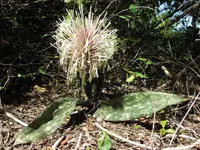
This species produces small, tubular white flowers with green striping on tall, slender stalks, typically opening in the evening or at night in its native range when temperatures are cooler.

Adapted to quartz fields

In the wild in South Africa’s Eastern Cape, it often grows among quartz or rocky outcrops, where pale stones reflect sunlight and help protect the rosette from heat stress.

Fibrous window-less leaves

Unlike some related species with transparent leaf tips, its thick triangular leaves are fully opaque and filled with fibrous water-storing tissue, giving the plant its firm, architectural shape.

Botan icon

Did you know?

This species was long traded worldwide under the wrong name, commonly mislabeled as Haworthia fasciata or confused with Haworthiopsis attenuata, and only relatively recently clarified taxonomically using detailed leaf anatomy and modern plant classification methods.

FAQs about Fasciated haworthia

Brown leaves usually come from overwatering, compact soil, or intense direct sun. Check that the pot drains freely, let the mix dry more between waterings, and move it out of harsh midday sun if leaf tips scorch.

Grow Healthy Plants with Botan Care

Keep your plants happy and healthy with plant identification, disease detection, and easy care guidance.


Botan plant care app — identify plants on mobile

Explore More Plants