Concertina plant Care (Crassula rupestris)

Also known as: Kebab Bush, Concertina Bush, Rosary Vine, Sosatiebush, Concertina Stonecrop

About Concertina plant

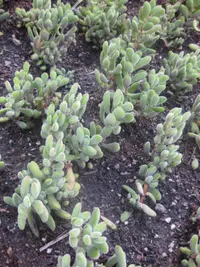
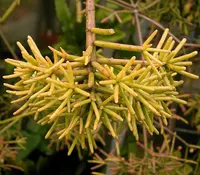
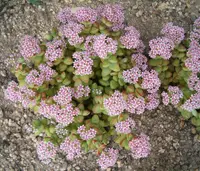
The concertina plant, Crassula rupestris, is a compact succulent shrub with stacked, opposite leaves along thin, branching stems. The foliage often blushes pink or red in bright light.

It is native to rocky areas of South Africa and Namibia, where it grows in dry, well-drained soils with intense sun and large temperature swings. This origin makes it drought tolerant and generally forgiving if not overwatered.

Growth stays relatively small and tidy, which suits windowsills and mixed succulent containers. Light, porous soil and good airflow support healthy roots and help simplify how to care for Concertina plant.

Main Plant Requirements

Care Difficulty

Easy Care

Light Preference

Full Sun

Water Requirements

Low Water

Temperature Preference

Tropical / Frost Sensitive

Hardiness Zone

10–11

Soil Texture

Sandy, Loamy, Rocky

Soil pH

Slightly acidic (6.5–7.0), Neutral (7.0)

Soil Drainage

Well-drained

Fertilization

Minimal (feed rarely)

Get Personalized Care Plan

Scan your plant to receive care tips personalized for your specific plant

Personalized Care in the App

Available on iOS and Android

How to Care for the Concertina plant

This succulent prefers bright, dry conditions with several hours of sun each day.

  • Provide 4–6 hours of direct morning sun or bright filtered light, especially in spring and fall, to keep foliage compact and colorful in Concertina plant indoor care.
  • Outdoors, place where it gets early sun and light afternoon shade; strong summer afternoon sun can scorch leaves, causing brown, dry patches.
  • If stems stretch or leaves lose color, light is too low; gradually move the plant to a brighter spot over 1–2 weeks to avoid sunburn.

Crassula rupestris stores water in its leaves and needs infrequent, careful watering.

  • Water only when the top 2–4 cm of soil are completely dry; in active growth, this may be every 7–14 days, but always check the soil instead of using a fixed schedule.
  • Use fast-draining, gritty soil and a drainage hole so water runs through quickly; discard any standing water to reduce root rot risk.
  • In winter, extend dry periods and water lightly; soft, yellowing, or translucent leaves suggest overwatering, while wrinkled, flattened leaves indicate underwatering.

This species prefers warm, dry air and does not tolerate frost.

  • Aim for 65–80°F (18–27°C) for steady growth, with slightly cooler nights; avoid sudden temperature swings near drafty doors or windows.
  • Protect from cold below 40°F (4°C); prolonged exposure near or below 32°F (0°C) can damage tissues and kill roots.
  • In hot spells above 90°F (32°C), give light shade and good airflow; avoid placing it against heat-reflective walls that can overheat the plant.

Humidity is rarely a limiting factor for Crassula rupestris when basic indoor conditions are stable.

  • Best performance occurs at 30–50% humidity, similar to most heated homes.
  • Dry air is usually tolerated, but extreme dryness with high heat can cause leaf tips to shrivel and drop.
  • If air is very dry, place the Concertina plant near other plants or on a pebble tray rather than misting.

Crassula rupestris needs a very fast-draining, mineral-rich substrate that dries quickly between waterings.

  • Use a gritty mix such as 50–70% inorganic material (pumice, perlite, coarse sand, or fine gravel) blended with 30–50% cactus potting mix.
  • Aim for a loose, crumbly texture that does not compact, so roots receive plenty of air and excess water drains out within seconds.
  • A slightly acidic to neutral pH around 6.0–7.0 suits this species and supports nutrient availability without encouraging rot.
  • Avoid peat-heavy, moisture-retentive mixes and any soil that stays wet or sticky for more than 1–2 days after watering.

This succulent is very suitable for container growing, both indoors and outdoors in mild climates.

  • Choose a shallow, wide pot to match the fibrous root system and provide stability as stems lengthen and become top-heavy.
  • Select unglazed terracotta if extra evaporation is needed in cool or humid climates, since it helps the mix dry faster.
  • Elevate the pot slightly on feet or spacers so drainage holes never sit in a saucer of standing water.

Crassula rupestris benefits from modest, dilute feeding during the active growing season in bright conditions.

  • Use a balanced liquid fertilizer (for example 10-10-10) at 1/4–1/2 strength for succulents; avoid rich compost in small indoor pots.
  • Feed every 4–6 weeks in spring and summer when growth is active and light is strong.
  • Stop feeding in late fall and winter, when growth slows, to prevent soft, weak tissues.
  • Flush the pot with plain water every few months to limit salt buildup, which can damage Concertina plant roots.

Crassula rupestris responds well to light, targeted pruning to maintain a compact, branching form.

  • Best time is late winter to early spring before strong new growth begins.
  • Use small, sharp, disinfected scissors or snips to remove dead, damaged, or etiolated (stretched) stems.
  • Pinch or cut just above a node to encourage denser branching and a fuller silhouette.
  • Thin crowded interior stems to improve light penetration and air flow, reducing rot risk.

This slow-growing succulent prefers slightly tight pots and infrequent repotting to avoid excess moisture.

  • Repot every 2–3 years, or when roots circle the pot, emerge from drainage holes, or growth becomes stunted.
  • Choose late spring as the best time, using a shallow container with fast-draining cactus or succulent mix.
  • Lift gently, loosen circling roots lightly, and remove old, soggy soil without tearing healthy roots.
  • After repotting, keep in bright, indirect light, water lightly once, then let soil dry to limit transplant stress.

Crassula rupestris is commonly propagated from stem or leaf cuttings under warm, bright conditions.

  • Take 5–8 cm stem cuttings or healthy leaves in late spring or early summer for best success.
  • Allow cut ends to callus for 1–3 days to reduce rot risk before planting.
  • Set cuttings in barely moist, gritty succulent mix and keep in bright, indirect light at 70–80°F.
  • Water sparingly until roots form, then shift gradually to normal Crassula rupestris care with stronger light.

This succulent is frost sensitive and needs protection from freezing conditions, especially in containers.

  • Keep indoor plants in bright light at 50–60°F during winter, with much less watering.
  • In cold climates, move outdoor pots indoors before temperatures drop near 32°F.
  • Avoid cold drafts and condensation on leaves, which can trigger rot in cool, dim conditions.
  • Do not use heavy mulches around containers; focus instead on dry, free-draining soil through winter.

Care Tips

Rotate for symmetry

Turn the pot 90° every 2–3 weeks so stems receive even light, which keeps the plant compact and prevents one-sided, leaning growth.

Strategic tip pinching

Pinch or cut just the top 1–2 leaf pairs from overly tall stems in late spring to encourage dense branching and a fuller, more balanced form.

Pebble tray drainage

Place the nursery pot on a dry layer of pebbles inside a cachepot so excess water can drain below the root zone while still allowing you to use decorative containers safely.

Cool-season rest

From late fall through winter, give the plant its brightest light and slightly cooler room temperatures with reduced watering to support a defined rest period and stronger growth in spring.

Clean, dry foliage

Occasionally brush dust off leaves with a soft, dry paintbrush instead of wiping with wet cloths, which protects the waxy coating and reduces fungal risk when caring for Concertina plant.

Common Pests and Diseases

Mealybugs

This pest feeds on leaf and stem sap, often hiding in the tight joints of the stacked leaves and causing yellowing, stunting, and sticky honeydew. Symptoms include cottony white clusters that are easy to overlook along the stems and between leaf pairs.

Solution

Isolate the plant, then dab visible insects with cotton swabs dipped in 70% isopropyl alcohol and repeat weekly until no new insects appear. Improve light and air movement, avoid overfertilizing, and use a labeled insecticidal soap or neem oil spray to reach crevices along the segmented stems.

Aphids

These insects gather on young tips and flower stalks, sucking sap and causing distortion, curling, and sticky residue. This pest is more common when the plant is grown soft with extra water and fertilizer or outdoors during warm seasons.

Solution

Rinse stems and leaf clusters under a strong but controlled stream of water to dislodge colonies, then let the plant dry in bright, indirect light. If aphids return, apply insecticidal soap or horticultural oil to all surfaces, including the undersides of leaves, repeating every 7–10 days as needed.

Spider mites

These insects thrive on Crassula foliage in warm, dry indoor air, causing fine speckling, dulling of leaf color, and very fine webbing between stacked leaves. Symptoms include slow decline and leaf drop even though the roots remain healthy.

Solution

Shower the plant thoroughly to wash off mites, then increase humidity slightly around the plant and avoid very hot, stagnant air. Follow with repeated applications of insecticidal soap or a light horticultural oil, making sure to coat the undersides of leaves and the inner joints of the stems.

Edema

This disorder occurs when roots absorb water faster than the thick leaves can use it, leading to corky, raised spots or blisters on older leaves. Symptoms include localized scarring that does not spread like a fungal leaf spot but can make leaves appear rough or pitted.

Solution

Allow the soil to dry more thoroughly between waterings, especially in cool or low-light conditions, and use a fast-draining succulent mix. Reduce frequency of watering rather than volume, and ensure the pot has a drainage hole so excess water can escape freely.

Powdery mildew

This disease appears as a whitish, powdery coating on leaves and stems, more likely when the plant is grown in crowded conditions with poor air circulation. Symptoms include slowed growth, reduced vigor, and a dull, dusty appearance on the otherwise smooth leaves.

Solution

Improve airflow, provide more direct sun appropriate for succulents, and avoid overhead watering late in the day. Remove heavily affected leaves and treat remaining foliage with a sulfur-based product or potassium bicarbonate spray labeled for succulents, repeating as directed until new growth remains clean.

Interesting Facts

Stacked bead leaves

This species develops opposite, triangular leaves that stack tightly along the stems, creating a beaded or pagoda-like appearance that becomes more pronounced as the plant ages.

Color change in strong light

In its native habitats of South Africa and Namibia, the normally green to blue‑green leaves can turn pink to red along the margins when exposed to high light and mild stress, an effect caused by protective red pigments called anthocyanins.

Rocky habitat specialist

It naturally grows in rocky crevices and on cliff faces, anchoring its roots into shallow pockets of gritty soil, which explains its high tolerance for drought and preference for very sharp drainage.

Botan icon

Did you know?

Crassula rupestris forms part of a diverse succulent flora in the Greater Cape Floristic Region, an internationally recognized biodiversity hotspot where many closely related Crassula species have evolved in a relatively small geographic area with highly varied microhabitats.

FAQs about Concertina plant

Brown leaf tips or patches usually come from underwatering, intense direct sun, or sudden temperature shifts. Check the root zone, adjust watering slightly, and move the plant away from very hot or drafty spots.

Grow Healthy Plants with Botan Care

Keep your plants happy and healthy with plant identification, disease detection, and easy care guidance.

Botan plant care app — identify plants on mobile

Explore More Plants