Lifesaver Plant Care (Huernia zebrina)

About Lifesaver Plant

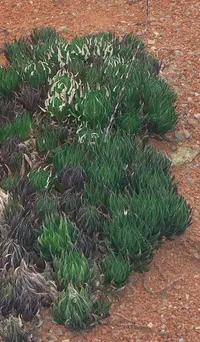
The lifesaver plant, Huernia zebrina, is a small succulent from arid regions of southern Africa. It forms low, clumping mats of fleshy, toothed stems instead of leaves.

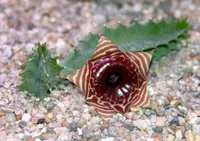
Its star-shaped flowers are cream to yellow with bold red stripes and a thick, raised maroon center that resembles a candy lifesaver. Blooms appear near the base of the stems and can be striking on a compact plant.

This species prefers bright, indirect light, very sharp-draining soil, and careful watering that avoids prolonged wetness. These traits make it relatively easy to grow indoors if you understand how to care for Lifesaver Plant and respect its need for dryness between waterings.

Main Plant Requirements

Care Difficulty

Moderate Care

Light Preference

Bright Indirect Light

Water Requirements

Low Water

Temperature Preference

Tropical / Frost Sensitive

Hardiness Zone

10–11

Soil Texture

Sandy, Loamy, Rocky

Soil pH

Slightly acidic (6.5–7.0), Neutral (7.0)

Soil Drainage

Well-drained

Fertilization

Minimal (feed rarely)

Get Personalized Care Plan

Scan your plant to receive care tips personalized for your specific plant

Personalized Care in the App

Available on iOS and Android

How to Care for the Lifesaver Plant

This succulent prefers bright, indirect light with some gentle direct sun each day.

  • Provide 4–6 hours of bright, indirect light daily; in hot climates, give only 1–2 hours of soft morning sun and avoid harsh midday rays.
  • Grow Lifesaver Plant near an east or lightly shaded south window, or outdoors in dappled shade where light is filtered through other plants.
  • If stems stretch, turn pale, or lean strongly toward the window, light is too low; if they redden or scar, reduce direct sun exposure.

This plant stores water in its stems and needs careful, infrequent watering.

  • Water only when the top 3–5 cm of soil are completely dry; in warm active growth this may be every 10–21 days depending on light and potting mix.
  • Ensure sharply draining soil and an unblocked drainage hole so Huernia zebrina never sits in water, which quickly leads to root and stem rot.
  • Overwatering shows as mushy, yellowing, or collapsing stems; underwatering shows as thin, wrinkled stems that re-plump within a day after a thorough soak.

This species prefers warm, stable temperatures and does poorly in frost.

  • Aim for 65–80°F (18–27°C) for steady growth, with slightly cooler nights improving resilience and reducing stress.
  • Protect the plant from temperatures below 40°F (4°C); exposure near freezing can scar tissues or kill roots, especially in wet soil.
  • In hot spells above 90°F (32°C), increase airflow, provide shade from direct midday sun, and avoid repotting or heavy watering during peak heat.

This succulent handles typical indoor humidity well and rarely needs special adjustment.

  • Aim for 30–50% humidity, similar to most heated or air-conditioned rooms, for stable growth of the Lifesaver Plant.
  • Dry air is usually tolerated, but very hot, dry drafts can shrivel stems and dull their color.
  • If stems wrinkle and tips brown while soil is correctly watered, raise humidity slightly with a nearby pebble tray or grouped plants.

Huernia zebrina needs a very fast-draining, airy mix to prevent root and stem rot.

  • Use a gritty, sandy succulent mix made from roughly 50–70% mineral components such as pumice, perlite, or coarse sand and 30–50% low-organic potting mix.
  • Ensure the structure is loose and crumbly so water runs through in seconds and roots receive plenty of air around them.
  • Keep pH near neutral to slightly acidic (about 6.0–7.0), avoiding highly alkaline mixes that can impair nutrient uptake.
  • Avoid dense peat-only mixes or moisture-retentive garden soil, which hold water around the stems and promote fungal problems.

This species is very suitable for container growing due to its compact, shallow root system.

  • Select a wide, shallow pot to match the spreading, mat-forming growth and prevent soggy lower layers of mix.
  • Choose unglazed terracotta if extra evaporation is needed in cool, low-light positions that dry more slowly.
  • Place the pot on a slight slope or feet so drainage holes stay clear and water cannot pool under the container.

Huernia zebrina benefits from light, controlled feeding during its active season in spring and summer.

  • Use a balanced liquid fertilizer (around 10-10-10 or 20-20-20) diluted to 25–50% strength for Lifesaver Plant indoor care.
  • Apply every 4–6 weeks during active growth only, on already moist soil to avoid root burn.
  • Skip compost and heavy organic feeds, which stay wet and can encourage rot in this succulent.
  • Stop feeding in fall and winter when growth slows and the plant enters a semi-dormant state.

Pruning Huernia zebrina is minimal and mainly focused on hygiene and maintaining a compact clump.

  • Best time is late winter to early spring, before strong new growth starts.
  • Use clean, sharp scissors or small pruning snips to remove dead, shriveled, or diseased stems at the base.
  • Thin out crowded or leggy stems to improve air flow and keep the plant dense and well-shaped.
  • Discard pruned material; only save healthy segments if they will be used as cuttings.

Container-grown Huernia zebrina prefers infrequent repotting and slight root crowding.

  • Repot every 2–3 years or when roots circle the pot, growth slows, or soil stays wet too long.
  • Plan to repot in late spring to early summer, when the plant grows actively and recovers faster.
  • Use a shallow pot with ample drainage holes and a gritty cactus mix to limit rot risk.
  • Gently loosen roots, remove dead material, replant at the same depth, and keep soil just barely moist for 1–2 weeks to reduce stress.

Huernia zebrina is commonly propagated from stem cuttings, which root well under dry, warm conditions.

  • Take 5–8 cm healthy stem segments in late spring or early summer using a sterile blade.
  • Allow cuttings to dry and callus for 2–5 days in bright, indirect light before planting.
  • Set cuttings upright in barely moist, gritty cactus mix and keep at 70–80°F with good airflow.
  • Seeds are possible but slow; maintain warm temperatures and very lightly moist, well-drained soil for germination.

Huernia zebrina is not frost tolerant and needs indoor or greenhouse conditions in most temperate climates.

  • Keep plants above 50°F; ideal winter range is 55–65°F with bright, indirect light.
  • Move outdoor containers indoors before night temperatures drop below 50°F.
  • Water sparingly, allowing soil to dry almost completely between waterings to prevent rot in cool conditions.
  • Ensure good air circulation and avoid cold drafts near windows or doors during winter.

Care Tips

Shallow pot choice

Use a wide, shallow pot with several drainage holes so the creeping stems can root along the surface and excess moisture leaves the root zone quickly.

Stem layering method

Gently press longer stems onto the soil surface and pin them with clean hairpins or small wire clips to encourage additional rooting points and create a denser clump over time.

Prevent rot with grit

Top-dress the soil with a 1–2 cm layer of coarse grit or aquarium gravel to keep the stem bases dry and reduce the risk of fungal rot after watering.

Cool-season resting

In fall and winter, provide slightly cooler nights and avoid repotting or feeding so the plant can rest, which promotes stronger blooming the following warm season when you grow Huernia zebrina.

Check blooms for pests

Inspect the inner surface of the flowers and stem joints weekly with a small flashlight to spot early mealybug or scale infestations before they spread through the collection.

Common Pests and Diseases

Mealybugs

This pest often hides in stem joints and along the ribbed sides of the succulent stems, feeding on sap and causing wrinkling or stunting. Symptoms include white cottony clusters and sticky honeydew on the plant surface.

Solution

Isolate the plant, then dab visible mealybugs with cotton swabs dipped in 70% isopropyl alcohol and repeat weekly until no new insects appear. Improve light and air movement, avoid overfertilizing, and for heavier infestations use a ready-to-use insecticidal soap, ensuring it reaches all crevices between stems.

Root mealybugs

These insects live in the potting mix and feed on the roots, leading to slow decline, poor growth, and sudden collapse despite apparently healthy stems. Symptoms include white cottony deposits on roots and around drainage holes when the plant is unpotted.

Solution

Remove the plant from its pot, shake or wash off all old mix, and trim heavily infested roots. Rinse the root zone with a light stream of water, then repot into fresh, fast-draining succulent soil in a disinfected pot and discard the old mix; for persistent issues, drench the new soil once with a systemic insecticide labeled for root mealybugs.

Stem rot (fungal)

This disease affects water-stressed or overwatered plants, causing segments to turn soft, brown to black, and sometimes foul-smelling, starting at the base or at damaged spots. Symptoms include rapid collapse of individual stems while others initially look healthy.

Solution

Cut away and discard all soft or discolored stems with a sterile blade, then let remaining healthy cut surfaces dry and callus for 1–2 days before replanting in dry, very well-draining mix. Reduce watering, keep temperatures around 70–80°F with good airflow, and avoid water sitting on the stems to support recovery and reduce future infections.

Scale insects

These insects attach firmly to the ridged stems as small, tan or brown bumps, sucking sap and causing dull, yellowed patches and weakened growth. This pest can be hard to notice at first because it resembles small scabs on the succulent surface.

Solution

Gently scrape or lift individual scales off with a fingernail or soft brush, then wipe stems with a cloth lightly moistened with 70% isopropyl alcohol. Repeat inspections weekly and, for larger populations, apply insecticidal soap or a light horticultural oil, taking care to cover all sides of the stems without saturating the soil.

Fungus gnat larvae

These insects thrive in consistently moist, organic-rich soil and their larvae can damage fine roots, leading to poor growth and increased risk of rot in this succulent. Symptoms include small black flies around the pot and a soggy mix that stays wet too long.

Solution

Allow the soil to dry more thoroughly between waterings, especially in the top 2–3 cm, and switch to a grittier, mineral-rich succulent mix. Use yellow sticky traps to catch adults and, if larvae are present, apply a biological control such as Bacillus thuringiensis israelensis (Bti) or top-dress the soil with a thin layer of coarse sand or small grit to discourage egg laying.

Interesting Facts

Lifesaver ring function

The thick, raised ring around the flower center acts as a landing platform and guide for carrion-attracted pollinators such as flies, helping them position correctly for pollination.

Carrion mimic flower

Its star-shaped flowers are patterned in bold yellow and maroon stripes and emit a faint carrion-like scent, an adaptation that mimics rotting material to attract specific fly pollinators.

Succulent stem adaptation

Instead of typical leaves, this species has 4–5-angled, fleshy green stems that store water and reduce surface area, an adaptation that supports Huernia zebrina care in arid, high-light habitats.

Botan icon

Did you know?

In its native southern African range, this species often grows in the partial shade of rocks or shrubs, using them as natural protection against intense midday sun while still receiving enough light to trigger its distinctive flowering.

FAQs about Lifesaver Plant

Lack of flowers usually comes from insufficient light, cramped roots, or no cool, dry rest in winter. Moderate fertilizing and a small pot help. Strong, indirect light and a slight winter pause often restart blooming.

Grow Healthy Plants with Botan Care

Keep your plants happy and healthy with plant identification, disease detection, and easy care guidance.

Botan plant care app — identify plants on mobile

Explore More Plants