Deadhead Precisely
Remove spent flower clusters by pinching or cutting just above the next healthy leaf node to keep plants compact and redirect energy into continuous blooming.

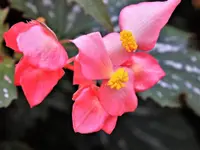
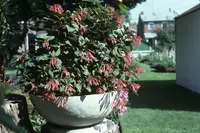
Clubed begonia, Begonia cucullata, is a compact, fibrous-rooted begonia commonly used in bedding, borders, and containers. It forms dense mounds of fleshy stems with rounded, glossy leaves. Clusters of small pink, red, or white flowers appear over a long season, giving a continuous, tidy display in mild climates. This species originates from subtropical regions of South America and adapts well to many garden and patio settings. It is considered relatively easy to grow, as it tolerates heat, short dry spells, and light shade. Knowing how to care for Clubed begonia starts with providing well-drained soil, moderate moisture, and protection from harsh midday sun.

Care Difficulty
Moderate Care

Light Preference
Partial Shade

Water Requirements
Moderate Water

Temperature Preference
Tropical / Frost Sensitive

Hardiness Zone
10–11

Soil Texture
Loamy, Peaty, Organic-rich

Soil pH
Acidic (5.5–6.5), Slightly acidic (6.5–7.0)

Soil Drainage
Moist but well-drained

Fertilization
Light (every 4–6 weeks)
Scan your plant to receive care tips personalized for your specific plant
Available on iOS and Android
This species prefers bright, indirect light with some protection from harsh midday sun.
Begonia cucullata needs evenly moist, well-drained soil that never stays soggy.
This begonia grows best in warm, frost-free conditions with only moderate temperature swings.
This species benefits from moderate to high humidity and reacts quickly to very dry air.
Begonia cucullata prefers a light, airy, organic-rich substrate that drains quickly yet holds consistent moisture.
This species is well suited to container growing, including balcony and patio use.
Begonia cucullata responds well to moderate, consistent feeding during the active growing season.
Begonia cucullata benefits from light, strategic pruning to maintain compact, floriferous growth.
Container-grown Begonia cucullata appreciates timely repotting to support dense roots and continuous blooming.
Begonia cucullata is commonly multiplied by stem cuttings and seeds under warm, bright conditions.
Begonia cucullata has poor frost tolerance and needs thoughtful winter management in cold climates.

Plant Health Check
Not sure what's wrong with your plant? Check your plant's health inside the app.
This species is native to southeastern Brazil and became one of the earliest begonias to be widely domesticated for bedding use, which is why many modern wax begonias trace their ancestry to it.
It serves as a primary parent in breeding modern wax begonia cultivars, contributing compact growth, continuous blooming, and tolerance of both sun and partial shade.
Its leaves have a distinct waxy cuticle that gives a glossy appearance and reduces water loss, helping the plant cope with variable moisture in ornamental plantings.
Yellowing leaves usually come from overwatering, poor drainage, or natural aging of older foliage. Check that the pot drains freely, empty saucers, and allow the top soil layer to dry slightly between thorough waterings.
Keep your plants happy and healthy with plant identification, disease detection, and easy care guidance.