


Pinch For Bushiness
Pinch out soft shoot tips every 2–3 weeks through the growing season to keep plants compact and dense, preventing bare, woody centers.

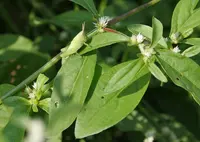
Joseph's coat plant, Alternanthera ficoidea, is a low-growing tropical perennial often used as a colorful edging or groundcover. It is valued for its dense, small leaves in vivid mixes of green, yellow, red, and purple. In warm climates it grows outdoors year-round, while in cooler regions it is usually treated as an annual or grown in containers. Native to Central and South America, it thrives in warm, humid conditions and tends to stay compact with regular trimming. It is generally considered easy to care for Joseph's coat plant when given bright light, evenly moist but well-drained soil, and protection from cold.

Care Difficulty
Moderate Care

Light Preference
Full Sun

Water Requirements
Keep Soil Moist

Temperature Preference
Tropical / Frost Sensitive

Hardiness Zone
10–11

Soil Texture
Sandy, Loamy, Organic-rich

Soil pH
Acidic (5.5–6.5), Slightly acidic (6.5–7.0)

Soil Drainage
Moist but well-drained

Fertilization
Moderate (every 2–4 weeks)
Scan your plant to receive care tips personalized for your specific plant
Available on iOS and Android
Alternanthera ficoidea develops best color and dense growth under bright, direct to filtered sun with some protection from extremes.
Alternanthera ficoidea prefers evenly moist, well-drained soil and reacts quickly to both drought and waterlogging.
This plant thrives in warm, frost-free conditions and is often grown as a tender perennial or warm-season annual.
This species prefers moderate to slightly high humidity for best foliage color and density.
This plant grows best in loose, moisture-retentive but free-draining soil.
This species is well suited to container growing on patios, balconies, and as edging accents.
Alternanthera ficoidea benefits from light but consistent nutrition to maintain dense, colorful foliage.
Pruning helps Alternanthera ficoidea stay compact and encourages colorful, bushy growth.
This plant responds well to timely repotting or transplanting when roots outgrow their space.
Alternanthera ficoidea is commonly propagated from soft stem cuttings for consistent color and form.
This species is frost-sensitive and needs protection in regions with cold winters.

Plant Health Check
Not sure what's wrong with your plant? Check your plant's health inside the app.
The intense purple, red, and gold patterns in its leaves come from layers of pigments in the leaf cells, mainly anthocyanins and carotenoids, which can change in concentration depending on light exposure and plant age.
This species naturally forms low, dense mats 15–30 cm tall, allowing it to act as a living groundcover in warm climates and quickly fill patterned bedding designs in public and private landscapes.
In many tropical and subtropical regions it behaves as a short-lived perennial that can flower under shorter daylengths, but in ornamental plantings it is usually grown mainly for foliage and flowers are often unnoticed or removed.
Brown leaf edges usually come from underwatering, low humidity, or excess fertilizer salts. Check soil moisture, flush the pot occasionally, and avoid letting the soil dry completely or stay overly salty from frequent feeding.
Keep your plants happy and healthy with plant identification, disease detection, and easy care guidance.

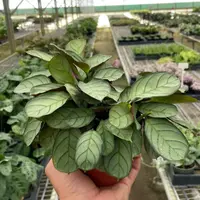
Ctenanthe
Ctenanthe burle-marxii 'Amagris'
 POPULAR
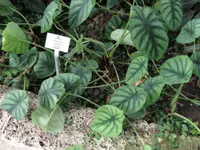
Alocasia cuprea
Alocasia cuprea
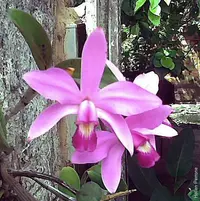
Violet Cattleya
Cattleya violacea
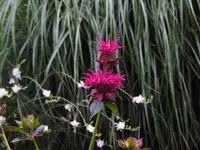
Bee Balm
Monarda didyma 'Raspberry Wine'
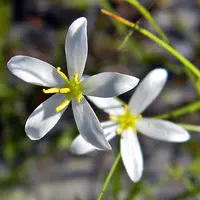
shortleaf rose gentian
Sabatia brevifolia
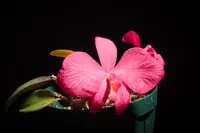
Cattleya wittigiana
Cattleya wittigiana
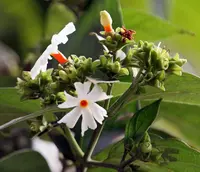
Night-flowering Jasmine
Nyctanthes arbor-tristis
Sprenger's asparagus
Asparagus aethiopicus