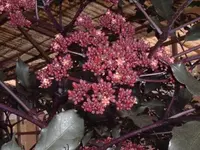
Tiger Orchid Care (Grammatophyllum speciosum)

Also known as: Tiger Orchid, Sugar Cane Orchid

About Tiger Orchid

Tiger orchid, Grammatophyllum speciosum, is a very large epiphytic orchid that naturally anchors to tree trunks in warm, humid forests of Southeast Asia and the Pacific region. It forms massive clumps with thick, cane-like pseudobulbs and long arching leaves, producing tall flowering spikes covered in yellow, brown-spotted blooms.

In cultivation it is considered demanding due to its size, strong light needs, and preference for consistently warm, humid conditions. Good air movement and a very open, fast-draining medium are important to care for Tiger Orchid successfully.

Main Plant Requirements

Care Difficulty

Hard Care

Light Preference

Partial Sun

Water Requirements

Keep Soil Moist

Temperature Preference

Tropical / Frost Sensitive

Hardiness Zone

12–13

Soil Texture

Sandy, Loamy, Organic-rich

Soil pH

Acidic (5.5–6.5), Slightly acidic (6.5–7.0)

Soil Drainage

Moist but well-drained

Fertilization

Moderate (every 2–4 weeks)

Get Personalized Care Plan

Scan your plant to receive care tips personalized for your specific plant

Personalized Care in the App

Available on iOS and Android

How to Care for the Tiger Orchid

This large epiphytic orchid needs bright, filtered light to grow and flower well outdoors in warm climates.

  • Provide 50–70% shade using tree canopies or shade cloth, with 2–4 hours of soft morning sun and protection from harsh midday and afternoon sun.
  • Leaves should be medium green; very dark, floppy leaves indicate too little light, while yellowing or scorched patches mean excess direct sun.
  • In summer, increase shade during heat waves; in cooler months, allow a bit more morning sun to support strong flowering for Tiger Orchid.

This orchid prefers consistently moist but fast-draining conditions around its roots, without staying waterlogged.

  • Water thoroughly when the outer roots or top 2–3 cm of growing media feel just barely dry, then let excess drain completely to avoid root rot.
  • In hot, dry weather, you may need to water almost daily outdoors; in cooler or humid seasons, extend intervals and rely on feel rather than a fixed schedule.
  • Wrinkling pseudobulbs and dry, papery roots suggest underwatering, while blackened, mushy roots and a sour smell indicate overwatering in Grammatophyllum speciosum.

This species grows best in consistently warm, frost-free conditions typical of lowland tropical climates.

  • Aim for 70–85°F (21–29°C) by day and 60–70°F (16–21°C) at night for active growth and flowering.
  • The plant tolerates brief highs up to about 95°F (35°C) if humidity and air movement are good, but prolonged heat above this can stress roots and foliage.
  • Avoid cold below 50°F (10°C) and protect from any frost; extended exposure near 45°F (7°C) or lower can damage leaves and pseudobulbs.

This species needs consistently high humidity to grow vigorously and avoid leaf stress.

  • Aim for 60–80% humidity; use a humidifier or greenhouse-style enclosure for reliable control.
  • It tolerates brief dips to 50%, but prolonged dry air leads to shriveled pseudobulbs and crisp leaf tips.
  • Increase local humidity with wide humidity trays, grouped plants, and frequent air movement to prevent fungal problems.
  • Caring for Tiger Orchid in drier homes often requires combining a room humidifier with targeted misting early in the day.

Grammatophyllum speciosum prefers a very open, coarse, fast-draining medium rather than typical potting soil.

  • Use a chunky orchid mix of large bark, charcoal, and a small amount of perlite to keep roots well aerated.
  • Ensure water drains within seconds; any mix that stays wet and dense around roots promotes rot.
  • A slightly acidic to neutral pH around 5.5–7 suits this species, which naturally grows as an epiphyte or lithophyte.
  • Avoid fine peat, heavy loam, or compacted media; add extra large bark or lava rock if drainage is slow.

This species can be grown in containers, but its size and weight demand careful pot selection for stability.

  • Choose a wide, heavy container or add stones at the base so the tall, clumping growth does not tip over in wind or under its own weight.
  • Use a pot only slightly larger than the active root area so the coarse orchid mix does not stay wet in unused spaces.
  • Select thick plastic or clay that resists cracking, since the plant’s mass and expanding pseudobulbs can exert strong outward pressure on the pot walls.

Grammatophyllum speciosum benefits from steady, moderate feeding during its active growing season.

  • Use a balanced orchid fertilizer (such as 20-20-20) or similar NPK at 1/4–1/2 strength with every 2nd–3rd watering in spring–summer.
  • Apply a slow-release orchid formula on large, established plants if watering is infrequent.
  • Reduce feeding sharply in fall–winter, offering very dilute solution only once every 4–6 weeks.
  • Flush the medium with plain water monthly to limit salt buildup and prevent root burn in Tiger Orchid.

Grammatophyllum speciosum needs minimal pruning, focused on hygiene rather than shaping.

  • Prune after flowering when spent flower spikes turn completely brown and dry.
  • Remove dead, shriveled, or diseased pseudobulbs and leaves with sterilized, sharp scissors or pruners.
  • Cut stems at the base without damaging healthy pseudobulbs to maintain the clump’s structure and future flowering.
  • Avoid heavy thinning of green growth, as this reduces energy storage and may limit next season’s blooms.

This large orchid is usually grown mounted or in big baskets and is disturbed only when clearly necessary.

  • Plan repotting or transplanting in late spring when new roots start, to support faster recovery.
  • Look for roots circling or bursting through the container, poor drainage, or slow growth as signs it needs more space.
  • Repot every 3–5 years into a very coarse orchid mix or slatted basket that allows strong aeration and drainage.
  • Trim only dead roots, keep healthy roots intact, then water lightly and shade the plant for 1–2 weeks to reduce stress.

Propagation of Grammatophyllum speciosum is usually done by division of mature clumps and is a slow process.

  • Divide only large, well-established plants in late spring when new growth and roots are emerging.
  • Use a sterile, sharp knife or saw to separate sections with at least 4–5 healthy pseudobulbs each.
  • Plant divisions in coarse, free-draining orchid media and secure them firmly so new roots do not wobble.
  • Maintain bright, filtered light, high humidity (60–80%), and gentle air movement to support rooting and establishment.

This tropical orchid is highly frost sensitive and needs warm, protected conditions in winter.

  • Keep temperatures above 55°F; prolonged exposure below this can damage foliage and roots.
  • In cooler regions, grow in containers or baskets that can be moved indoors or into a heated greenhouse.
  • Provide bright, filtered light and slightly drier conditions than in summer, without allowing the medium to fully dry.
  • Avoid cold drafts and sudden temperature drops that may stress pseudobulbs and reduce next season’s flowering.

Care Tips

Robust Mounting Choice

Use a very sturdy mount such as a thick hardwood slab, large tree fern block, or basket with rigid wire hangers, because mature plants become extremely heavy and need long-term support for safe growing Tiger Orchid.

Airflow Management

Install a small oscillating fan above or beside the plant to keep gentle but constant air movement around the canes and roots, which lowers rot risk in dense pseudobulb clusters.

Progressive Pot Upsizing

When a container-grown plant outgrows its basket, step up only 1–2 sizes at a time and add fresh coarse orchid media around the active leading growth to avoid root shock and stagnation in oversized pots.

Support For Heavy Spikes

As flower spikes elongate, secure them early with thick bamboo canes or rigid stakes tied loosely with soft ties to prevent breakage from their considerable weight.

Seasonal Nutrient Flush

Every 4–6 weeks during the main growth season, water heavily with plain, low-mineral water until it runs freely out of the pot or basket to flush accumulated fertilizer salts from the coarse root zone.

Common Pests and Diseases

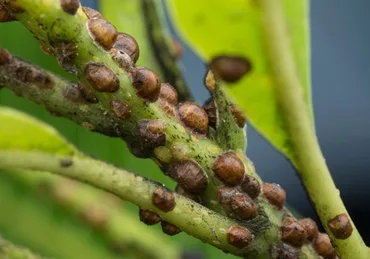
Scale insects

This pest feeds on sap and often hides on orchid pseudobulbs, leaf bases, and flower spikes, causing yellowing and weakened growth. Symptoms include sticky honeydew on leaves and black sooty mold that can develop on the exudate.

Solution

Isolate the plant, then wipe infested areas with cotton pads dipped in 70% isopropyl alcohol, repeating weekly until no new insects appear. Improve air movement, avoid overfertilizing with nitrogen, and, for large outdoor clumps, use a targeted horticultural oil spray, ensuring thorough coverage of leaf sheaths and the undersides of leaves.

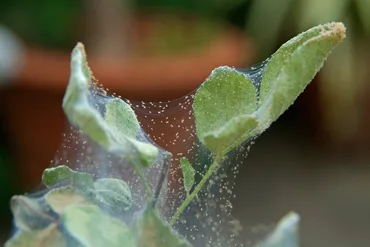
Spider mites

These insects thrive in hot, dry conditions and attack the undersides of leaves, causing fine stippling, a dull appearance, and eventual leaf drop. This pest may leave fine webbing between leaves and around pseudobulbs on severely stressed plants.

Solution

Increase humidity and hose down foliage thoroughly, focusing on leaf undersides to dislodge mites. For persistent infestations, use a labeled miticide or insecticidal soap applied in several treatments 5–7 days apart, and keep the plant out of direct harsh sun during applications to prevent leaf burn.

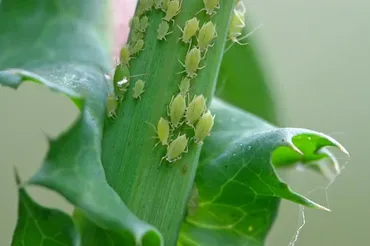
Orchid aphids

This pest concentrates on new growths and flower spikes, sucking sap and distorting buds and flowers. Sticky honeydew and attendant ants are common secondary signs of infestation on large clumps grown outdoors.

Solution

Rinse affected spikes and new shoots with a firm stream of water, then remove heavily infested buds or stems. Follow with an application of insecticidal soap or a systemic insecticide labeled for orchids if the plant is grown outdoors, and manage nearby ant activity to reduce reinfestation.

Bacterial soft rot

This disease causes rapidly spreading, water-soaked patches on pseudobulbs or leaf bases, which quickly turn brown, collapse, and emit a foul odor. Symptoms include sudden tissue collapse after warm, wet conditions or water standing in leaf axils.

Solution

Immediately cut out all affected tissue with a sterile blade, extending into healthy, firm tissue, and discard contaminated material far from other orchids. Reduce overhead watering, keep water out of leaf axils, increase airflow, and apply a bactericide labeled for orchids to remaining healthy tissue if the plant is valuable or part of a collection.

Leaf spot fungi

This disease appears as small yellow, brown, or black spots on leaves that may merge into larger patches under warm, humid, crowded conditions. Symptoms include cosmetic damage at first but can progress to premature leaf loss on stressed plants, which complicates Grammatophyllum speciosum care instructions in dense plantings.

Solution

Remove and discard heavily spotted leaves and any fallen plant debris around the clump to reduce spore sources. Improve spacing and airflow, avoid wetting foliage late in the day, and if needed apply a preventive fungicide labeled for orchids at intervals recommended on the product label during warm, humid periods.

Interesting Facts

Worlds heaviest orchid

This species is considered the heaviest orchid in the world, with mature clumps in the wild reported to weigh more than many adult humans and span several meters across.

Tree-dwelling giant

In nature it usually grows as an epiphyte on large rainforest trees in Southeast Asia, forming massive clumps that can engulf branches and persist for many years.

Long-lasting flower spikes

Mature plants can produce very long arching inflorescences carrying dozens of yellow and brown-spotted flowers, and individual blooming events can remain showy for several weeks under suitable conditions.

Botan icon

Did you know?

This orchid has been used as a ceremonial and prestige plant in parts of Southeast Asia, where exceptionally large specimens have historically been collected and displayed in botanical gardens and public exhibitions as examples of extreme orchid growth.

FAQs about Tiger Orchid

Growth is slow in the first years, then accelerates once the clump is established. In warm, ideal conditions, it may take 8–10 years to form a large, specimen-sized plant with massive pseudobulbs.

Grow Healthy Plants with Botan Care

Keep your plants happy and healthy with plant identification, disease detection, and easy care guidance.

Botan plant care app — identify plants on mobile

Explore More Plants