Japanese camellia Care (Camellia japonica)

Also known as: Japanese camellia

About Japanese camellia

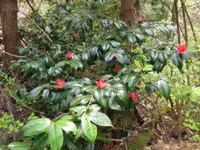
Japanese camellia (Camellia japonica) is an evergreen shrub or small tree grown mainly for its glossy foliage and large, rose-like flowers. It is a traditional garden plant in East Asia and is especially associated with Japan, where it grows in woodland areas with mild, humid conditions.

Plants have a dense, rounded habit and can become long-lived landscape specimens in suitable climates. Flowers appear in cool seasons and range from single to fully doubled forms in white, pink, or red.

Camellia japonica can be moderately demanding, as it dislikes extremes of heat, cold, or drought and prefers evenly moist, acidic, well-drained soil. Understanding these sensitivities makes it easier to care for Japanese camellia successfully.

Main Plant Requirements

Care Difficulty

Moderate Care

Light Preference

Partial Shade

Water Requirements

Regular Water

Temperature Preference

Cool Climate

Hardiness Zone

7–9

Soil Texture

Loamy, Peaty, Organic-rich

Soil pH

Strongly acidic (4.5–5.5), Acidic (5.5–6.5)

Soil Drainage

Moist but well-drained

Fertilization

Light (every 4–6 weeks)

Get Personalized Care Plan

Scan your plant to receive care tips personalized for your specific plant

Personalized Care in the App

Available on iOS and Android

How to Care for the Japanese camellia

Camellia japonica needs bright but gentle light to produce abundant, healthy blooms.

  • Provide 3–4 hours of soft morning sun with light shade or dappled light for the rest of the day, especially in zones with hot summers.
  • Protect from intense midday and afternoon sun, which can scorch leaves and fade flowers; use overhead tree cover, fences, or north/east-facing sites.
  • In winter, choose the brightest sheltered spot available; in deep shade plants grow sparse, with fewer buds and weak, stretched shoots.

Camellia japonica prefers evenly moist, never soggy, soil that dries slightly between waterings.

  • Water when the top 3–5 cm of soil feels dry, applying a deep soak so moisture reaches the full root zone rather than frequent light sprinkles.
  • Use well-drained, slightly acidic soil; avoid waterlogged or compacted sites, which lead to yellowing leaves, root rot, and bud drop.
  • Increase monitoring in hot, dry periods (wilting or dull, curling leaves signal thirst) and reduce watering in cool, wet seasons to prevent saturation.

This shrub performs best in mild climates with cool winters and moderate summers.

  • Aim for growing temperatures around 55–75°F (13–24°C), which support steady vegetative growth and flower bud development.
  • Mature plants usually tolerate brief drops to about 10–15°F (-12 to -9°C), but buds and young shoots are damaged by hard frost and cold winds.
  • In summer, protect from prolonged heat above 85°F (29°C) with shade and mulch; avoid heat-reflecting walls or paving that raise root-zone temperatures.

This species prefers moderate, stable humidity and reacts quickly to very dry air.

  • Aim for 50–60% humidity, especially during active growth and bud formation.
  • Dry indoor air causes browned leaf edges, bud drop, and slower growth in Japanese camellia.
  • Use a wide pebble tray with water, group plants together, or run a nearby humidifier to raise local humidity without wetting the foliage.

Camellia japonica needs acidic, airy, and evenly moist soil that never stays waterlogged.

  • Use a loose, organic-rich mix such as 50% ericaceous potting mix blended with pine bark fines and perlite for structure.
  • Target pH 5.0–6.0 to support nutrient uptake and reduce risk of chlorosis, where leaves turn pale but veins stay darker.
  • Ensure rapid drainage with plenty of coarse material so water passes through in seconds rather than pooling on the surface.
  • Avoid heavy clay, unamended garden soil, or mixes that compact, as these suffocate roots and increase root-rot risk.

This species is well suited to container growing when the pot is chosen to manage root space and moisture.

  • Select a pot only 3–5 cm wider than the root ball so the mix dries evenly and roots do not sit in cold, wet pockets.
  • Use a tall, slightly deeper container to match the shrub’s fibrous but downward-reaching root system and improve stability in wind.
  • Choose a heavier material such as ceramic to reduce tipping risk and moderate moisture swings compared with thin plastic.

Nutrient management supports strong growth and flowering in this shrub.

  • Apply a balanced, acid-forming fertilizer (such as camellia/azalea blend or 10-8-6) at 1/2 strength in early spring after flowering.
  • Repeat light feeding every 6–8 weeks through midsummer for caring for Japanese camellia; avoid late-season nitrogen that encourages tender growth.
  • Use slow-release granules or compost as a surface dressing over moist soil, keeping product off stems and trunk.
  • Stop feeding in late summer to fall so the plant can harden growth and set buds without soft, frost-prone tissues.

Thoughtful pruning keeps Camellia japonica healthy, balanced, and flowering well.

  • Time pruning for just after main flowering finishes in late winter to early spring, before new growth extends.
  • Remove dead, diseased, crossing, or inward-growing branches with clean, sharp bypass pruners or loppers.
  • Thin crowded interior shoots to improve airflow and light, which helps reduce fungal problems.
  • Shorten overly long stems slightly to refine shape, but avoid heavy cuts into old wood, which may not reshoot well.

Container and garden-grown plants benefit from careful timing and gentle handling when moved.

  • Check for roots circling the pot, water running straight through, or slowed growth as signals a container plant needs a larger home every 3–4 years.
  • Plan transplanting for late winter to early spring, just before strong new growth begins and after severe frost risk has eased.
  • Lift with as much root ball as possible, minimize disturbance, and keep the root zone shaded and moist during the move.
  • Replant into slightly acidic, well-drained soil, water deeply, then mulch lightly to reduce evaporation while avoiding contact with the stem.

New Camellia japonica plants are most reliably produced from semi-ripe cuttings and layering.

  • Take semi-ripe heel cuttings in midsummer, 8–10 cm long, removing lower leaves and dipping the base in rooting hormone.
  • Insert cuttings into a free-draining, acidic mix and keep at 65–75°F with high humidity and bright, indirect light.
  • Use simple layering in spring by bending a flexible shoot to the soil, wounding slightly, pegging down, and covering with mix until rooted.
  • Sow fresh seeds in autumn in acidic, well-drained medium; expect variable offspring and slower time to flowering.

Cold-season management focuses on bud protection and root insulation for this broadleaf evergreen.

  • Most established plants tolerate brief drops to about 10–15°F once hardened, but flower buds are more sensitive than leaves.
  • Apply 5–8 cm of organic mulch over the root zone in late fall, keeping it a few cm away from the trunk.
  • Shelter plants from drying winter wind; use windbreaks or site on the leeward side of buildings or taller shrubs.
  • Move container plants into a cool, bright, frost-free area, watering sparingly so the root ball does not fully dry out.

Care Tips

Mulch Root Zone

Apply a 5–8 cm layer of pine bark or other acidic, woody mulch over the root zone, keeping it 5 cm away from the trunk, to keep roots cool, conserve moisture, and protect the shallow feeder roots from damage.

Protect Buds From Frost

When flower buds are formed, cover the shrub with frost cloth on nights below 28°F and remove it in the morning to reduce bud drop and browning of petals.

Use Shallow Planting

Set the root ball so that its top sits 2–5 cm above the surrounding soil level and build a gentle soil slope away from the stem to avoid waterlogging and collar rot.

Targeted Flower Thinning

In late winter, remove some of the smallest or most crowded buds by hand, leaving 1–2 strong buds per cluster, to reduce strain on the plant and improve flower size and quality when growing Japanese camellia.

Summer Shade Management

In hot climates, use shade cloth or site the plant where it receives afternoon shade from structures or taller plants to prevent leaf scorch and protect next season’s flower buds.

Common Pests and Diseases

Tea scale

This pest feeds on the undersides of leaves, causing yellow speckling on the upper surface and a general loss of vigor. Symptoms include a mix of brown mature scales and white, cottony-looking juvenile scales along the midrib and veins.

Solution

Prune and discard heavily infested twigs, then gently wash leaf undersides with water and a few drops of mild soap to remove scales. Follow with horticultural oil sprays directed at the undersides of leaves in late winter and again in early summer, ensuring good coverage but avoiding application in high heat above about 85°F.

Camellia leaf gall

This disease causes young leaves or shoots to become thickened, pale, and fleshy, often turning whitish or pink before later becoming brown and papery. Symptoms include distorted growth in spring that looks swollen and rubbery compared with normal foliage.

Solution

Promptly remove and dispose of all galled leaves and shoots as soon as they are noticed, before they turn white and produce spores. Avoid overhead watering in spring, keep fallen debris cleared from around the plant, and maintain good spacing and airflow to reduce humidity around new growth as part of Camellia japonica care instructions.

Petal blight

This disease affects flowers, causing brown spots that rapidly spread until whole blooms turn brown and mushy, often dropping prematurely. Symptoms include flowers that rot while still on the plant and may show concentric ring patterns of discoloration.

Solution

Collect and discard all affected blooms from the plant and the ground as soon as they show spotting, and do not compost them. Reduce overhead watering, improve air circulation, and apply a labeled fungicide preventively at bud swell and early bloom if the problem recurs yearly in the same location.

Aphids

These insects cluster on tender shoots and buds, sucking sap and causing curling, distorted new leaves and sticky honeydew deposits. This pest can encourage sooty mold growth on leaves and attract ants.

Solution

Spray infested shoots with a firm stream of water to dislodge aphids, repeating as needed, and pinch back heavily infested soft tips. For persistent infestations, use insecticidal soap or horticultural oil on both sides of leaves and buds, applying in the early morning or evening to avoid leaf burn and protect pollinators.

Camellia dieback and canker

This disease causes wilting and sudden dieback of branches, with sunken, discolored areas on stems and sometimes oozing from cankers. Symptoms include leaves on affected branches turning dull green, then brown, while remaining attached.

Solution

Prune out affected branches several inches below visible cankers, sterilizing pruning tools between cuts with alcohol or a 10% bleach solution, and dispose of infected material. Improve drainage and airflow, avoid wounding stems, and keep plants healthy through proper watering and mulching to reduce stress and susceptibility to infection.

Interesting Facts

Winter-blooming strategy

This species flowers in late winter to early spring, when few other woody shrubs are in bloom, an adaptation that helps its large, nectar-rich flowers attract the limited pool of cool-season pollinators.

Extra floral structures

Many cultivars show petaloidy, where stamens are partly converted into petal-like structures, creating the very full, formal double flowers that distinguish this species from most other camellias.

Genetic diversity in cultivars

Hundreds of named cultivars of this species exist, developed over centuries in East Asia and later in Europe and the US, showing extensive variation in flower form, petal number, and color patterns while remaining the same species.

Botan icon

Did you know?

Individual Camellia japonica shrubs in historic gardens in Japan and Korea are documented to be more than 300 years old, illustrating how long-lived this woody evergreen can be when grown in suitable conditions.

FAQs about Japanese camellia

Lack of flowers usually comes from insufficient light, pruning at the wrong time, heavy spring fertilizing, or drought while buds form. Bud drop can also follow sudden temperature swings or dry air, especially in container-grown plants.

Grow Healthy Plants with Botan Care

Keep your plants happy and healthy with plant identification, disease detection, and easy care guidance.

Botan plant care app — identify plants on mobile

Explore More Plants