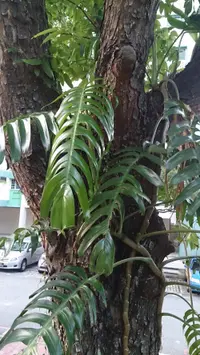
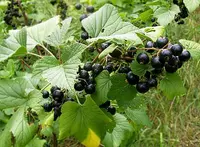
Clown fig Care (Ficus aspera)

About Clown fig

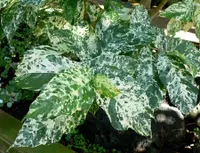
Clown fig (Ficus aspera) is an ornamental fig species grown mainly for its striking variegated foliage rather than for its fruit. It is usually a compact shrub or small tree with thick, leathery leaves marked with irregular cream or light-green patches. Native to Pacific islands, it prefers warm, frost-free conditions and does best in bright, filtered light. The plant can be somewhat demanding indoors because it dislikes sudden changes in temperature, light, or moisture. Once settled, it grows steadily but not very fast, which suits containers and smaller spaces. Understanding how to care for Clown fig helps prevent leaf drop and maintain stable growth over time.


Main Plant Requirements

Care Difficulty

Moderate Care

Light Preference

Bright Indirect Light

Water Requirements

Moderate Water

Temperature Preference

Tropical / Frost Sensitive

Hardiness Zone

11–12

Soil Texture

Loamy, Sandy, Organic-rich

Soil pH

Acidic (5.5–6.5), Slightly acidic (6.5–7.0)

Soil Drainage

Moist but well-drained

Fertilization

Light (every 4–6 weeks)

Get Personalized Care Plan

Scan your plant to receive care tips personalized for your specific plant

Personalized Care in the App

Available on iOS and Android

How to Care for the Clown fig

Ficus aspera prefers bright, indirect light that protects its variegated leaves from scorch while preventing weak growth.

  • Provide 4–6 hours of bright, filtered light daily, such as under a sheer curtain or beneath light tree canopies outdoors.
  • Allow gentle morning sun but avoid strong midday or afternoon sun, which can cause brown, crispy patches on white leaf areas.
  • Tolerates light to partial shade, but Clown fig develops denser growth and stronger variegation if given higher light, especially in winter months.

Ficus aspera prefers evenly moist but not saturated soil, with brief drying at the surface between waterings.

  • Before watering, let the top 2–4 cm (1–1.5 in) of soil dry; check by inserting a finger rather than following a fixed schedule.
  • Reduce watering in cooler months when growth slows, but never allow the root zone to stay bone-dry for long periods.
  • Watch for yellowing, dropping leaves and sour-smelling soil as signs of overwatering, and limp, curling leaves as signs of underwatering; always use sharply draining soil.

This species prefers warm, stable conditions and is sensitive to frost and prolonged cold.

  • Aim for 65–80Β°F (18–27Β°C) for active growth, with good air circulation but no cold drafts or sudden temperature swings.
  • Protect from temperatures below 40Β°F (4Β°C); brief dips may be survived, but tissue damage and leaf drop become increasingly likely.
  • Tolerates short periods up to about 90Β°F (32Β°C) if shaded and well hydrated, but prolonged heat above this range stresses the plant, especially in direct sun.

This species prefers moderately humid air and reacts if conditions are too dry for long periods.

  • Aim for 50–60% humidity; it tolerates brief dips but prolonged levels under 40% increase leaf stress.
  • Expect crispy leaf edges, curling, and slower growth as signs that indoor air is too dry for Clown fig.
  • Increase humidity with a nearby humidifier, grouped plants, or a pebble tray placed under the pot without submerging the base.

Soil should drain quickly yet hold some moisture without becoming compacted.

  • Use a loose, airy mix of roughly 2 parts peat- or coco-based potting mix, 1 part perlite, and 1 part fine bark for Ficus aspera.
  • Aim for slightly acidic to neutral pH around 6.0–7.0 to support nutrient availability and steady root growth.
  • Ensure the mix feels springy, not heavy; large pore spaces allow oxygen to reach roots and prevent suffocation.
  • Avoid dense garden soil, unamended clay, or any mix that stays wet for more than 3–4 days after watering.

This species adapts well to container growing when the pot is chosen for both root space and stability.

  • Select a pot with a wide base or added weight to prevent tipping as the woody stems elongate and foliage mass increases.
  • Use a container only slightly larger than the current root mass so the mix dries evenly instead of staying wet at the bottom.
  • Choose thicker-walled ceramic or clay if outdoor placement in wind is likely, as heavier materials anchor the plant more securely.

Ficus aspera benefits from moderate feeding in active growth but does not need heavy fertilization.

  • Use a balanced liquid fertilizer (for example 10-10-10 or 20-20-20) at 1/2 strength every 4–6 weeks in spring and summer.
  • Alternatively, apply a slow-release granular fertilizer at the start of the growing season, following label rates.
  • In containers, supplement with a thin layer of compost on the soil surface once per year.
  • In fall and winter, pause feeding or reduce to very light applications only if the Clown fig is still producing new growth.

Pruning helps maintain structure, size, and health in Ficus aspera.

  • Carry out main pruning in late winter or early spring before vigorous new growth begins.
  • Remove dead, diseased, crossing, or inward-growing branches to improve air flow and light penetration.
  • Shorten overly long shoots to control size and encourage a fuller, branching framework.
  • Use clean, sharp bypass pruners and make smooth cuts just above a node or branch junction.

Ficus aspera tolerates somewhat tight roots but benefits from timely repotting or transplanting to sustain growth.

  • Check for roots circling the pot, pushing through drainage holes, or persistent wilting and slowed growth as signs it needs more space.
  • Plan repotting or outdoor transplanting in spring, about every 2–3 years for container plants.
  • Choose a pot 2–5 cm wider with well-draining mix, loosen circling roots gently, and keep the previous soil level at the same height.
  • Water thoroughly after planting, keep the plant shaded and sheltered for 1–2 weeks, and avoid heavy pruning at the same time to reduce root stress.

Ficus aspera is most commonly propagated from semi-hardwood stem cuttings taken during warm months.

  • Take 8–12 cm semi-hardwood cuttings in late spring or summer, including at least 2–3 nodes.
  • Remove lower leaves, dip the cut end in rooting hormone, and insert into a well-draining medium such as perlite and peat or coco coir.
  • Keep the rooting environment warm (70–80Β°F), bright but out of direct sun, and maintain high humidity with a vented cover.
  • For seed propagation, use fresh seed, sow on the surface of sterile mix, and keep consistently moist and warm until germination.

This species is frost sensitive and needs protection in regions where temperatures drop near or below freezing.

  • In USDA zones cooler than 10–11, grow Ficus aspera in containers so it can be moved indoors before nights fall below 40Β°F.
  • Place indoor plants in bright light away from cold drafts and reduce watering while growth slows.
  • For in-ground plants in mild climates, apply a 5–8 cm mulch layer over the root zone, keeping mulch slightly away from the trunk.
  • During brief cold snaps, wrap young stems with frost cloth or breathable fabric to limit tissue damage.

Care Tips

Sturdy branch training

As stems elongate and become top-heavy, lightly tie them to a bamboo stake or small trellis, then gradually adjust the ties every 2–3 months to encourage a balanced, stable framework that can support variegated foliage long term.

Controlled height management

Once the plant reaches your preferred height, pinch or cut just above a leaf node on the main stems to encourage branching and a fuller canopy instead of allowing it to grow taller and leggy.

Light acclimation routine

When moving the plant closer to stronger light, shift it in stages over 2–3 weeks to avoid leaf scorch, rotating the pot a quarter turn every 7–10 days for even variegation development.

Systematic pest scouting

Inspect the undersides of leaves and leaf axils with a hand lens every 2–3 weeks, especially during warm months, and promptly spot-treat any scale, mealybugs, or spider mites with horticultural soap before infestations become established.

Repot timing indicator

Use a clean chopstick or plant stake to probe the root ball once a season; if it hits a dense mat of roots near the pot wall, plan a repot in late spring so the plant can recover and resume strong growth during the main growing period for caring for Clown fig.

Common Pests and Diseases

Scale insects

This pest often settles along stems and leaf undersides, appearing as small brown, gray, or off‑white bumps that excrete sticky honeydew. Symptoms include yellowing leaves, sooty mold development on the honeydew, and overall decline in vigor.

Solution

Remove heavily infested leaves and gently scrape or wipe insects off stems with a cotton pad dipped in 70% isopropyl alcohol, then rinse the foliage with lukewarm water. Improve air movement, avoid overfertilizing with nitrogen, and repeat alcohol spot-treatments weekly until no new scale appear; horticultural oil sprays can be used on both indoor and outdoor plants according to label directions for Ficus aspera care.

Mealybugs

This pest forms white, cottony clusters in leaf axils, on young stems, and sometimes on roots in container plants. Symptoms include distorted new growth, sticky honeydew, and gradual weakening of the plant.

Solution

Isolate the plant, then dab visible mealybugs with a cotton swab dipped in 70% isopropyl alcohol and wash the foliage thoroughly. For persistent infestations, use a labeled insecticidal soap or horticultural oil, making sure to reach leaf undersides and stem joints, and repeat applications every 7–10 days until no new insects appear.

Spider mites

These insects are tiny and often unnoticed at first, but cause fine speckling on leaves, slight bronzing, and fine webbing between leaves and stems, especially in warm, dry indoor air. Symptoms include dull, dusted-looking foliage and premature leaf drop on stressed plants.

Solution

Increase humidity around the plant and thoroughly hose or shower the foliage, focusing on the undersides of leaves to dislodge mites. If needed, apply insecticidal soap or a light horticultural oil, repeating every 5–7 days for several cycles, and keep the plant out of hot direct sun during treatment to avoid leaf burn.

Sooty mold

This disease appears as black, soot-like coating on leaves and stems that grows on the sugary honeydew from sap-sucking insects, rather than directly infecting the plant tissues. Symptoms include reduced light reaching the leaf surface, which can slow growth and cause leaves to look dirty or dull.

Solution

First control the honeydew-producing insects such as scale, mealybugs, or aphids, or the mold will return. Wipe affected leaves with a damp cloth or gently wash them with mild soapy water and then rinse, and improve light and airflow so new growth develops clean and healthy.

Leaf spot

This disease presents as irregular brown or tan spots, sometimes with darker borders, appearing on older leaves or foliage kept too wet. Symptoms include yellowing around the lesions and premature leaf drop when humidity is high and air circulation is poor, especially in dense Clown fig indoor care situations.

Solution

Remove and discard affected leaves, avoid wetting the foliage when watering, and space plants so air can move freely around them. Allow the soil surface to dry slightly between waterings, clean fallen debris from the pot or soil surface, and in severe or recurring cases use a labeled broad-spectrum fungicide suitable for ornamental Ficus, following all directions carefully.

Interesting Facts

Naturally variegated leaves

This species develops stable cream and light-green variegation without human-induced mutation or chimeras, making its mottled foliage a consistent trait in cultivated plants.

Clown fig fruit behavior

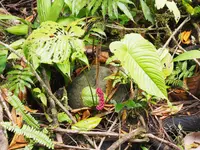
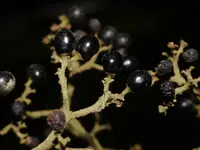
Despite being a fig, it produces small, often distorted syconia that are typically considered inedible and mainly ornamental, with many cultivated plants rarely maturing large numbers of fruit indoors.

Rough-textured foliage

The leaves have a noticeably coarse, sandpapery surface compared with many other ornamental figs, a trait that makes this species easy to distinguish by touch alone.

Botan icon

Did you know?

Ficus aspera is one of the relatively uncommon ornamental figs where the striking variegation, unusual leaf texture, and distorted fruit combine to give it the nickname clown fig, and this distinctive appearance has kept it in specialist collections for many decades despite its limited commercial production.

FAQs about Clown fig

Yellowing leaves often result from inconsistent watering, poor drainage, or low light. Check that the root zone drains well, avoid waterlogged soil, and remove older yellow leaves. Persistent yellowing may also indicate nutrient deficiency or root stress.

Grow Healthy Plants with Botan Care

Keep your plants happy and healthy with plant identification, disease detection, and easy care guidance.

Botan plant care app β€” identify plants on mobile

Explore More Plants