Rattlesnake-plant Care (Goeppertia insignis)

About Rattlesnake-plant

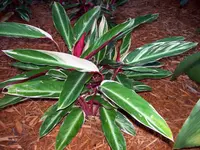
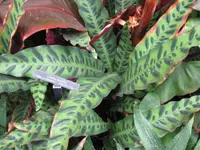
Rattlesnake-plant, Goeppertia insignis, is a tropical understory plant valued for its long, wavy leaves patterned with dark green oval markings and purple undersides. It has a clumping, low-growing habit that suits tabletops, shelves, and shaded plant groupings indoors.

This species is native to the rainforests of Brazil, where it grows in warm, humid, filtered light conditions under taller vegetation. It is considered moderately demanding because it reacts quickly to dry air, irregular watering, and poor-quality water. For those learning how to care for Rattlesnake-plant, it helps to provide stable warmth, soft indirect light, evenly moist but not soggy soil, and good humidity.

Main Plant Requirements

Care Difficulty

Moderate Care

Light Preference

Bright Indirect Light

Water Requirements

Keep Soil Moist

Temperature Preference

Tropical / Frost Sensitive

Hardiness Zone

11–12

Soil Texture

Loamy, Peaty, Organic-rich

Soil pH

Acidic (5.5–6.5)

Soil Drainage

Moist but well-drained

Fertilization

Light (every 4–6 weeks)

Get Personalized Care Plan

Scan your plant to receive care tips personalized for your specific plant

Personalized Care in the App

Available on iOS and Android

How to Care for the Rattlesnake-plant

This species prefers bright, filtered light that mimics a forest understory environment.

  • Provide 6–8 hours of bright, indirect light daily; morning sun through an east window or shaded porch is suitable for Rattlesnake-plant.
  • Avoid direct midday or afternoon sun, which causes leaf scorch, fading, and crispy edges; use sheer curtains or position 1–2 m away from strong windows.
  • In low light it survives but may stretch and lose leaf pattern contrast; increase light in winter or move closer to a bright, shaded exposure.

Watering should keep the root zone evenly moist but never saturated.

  • Water when the top 2–3 cm of soil feels dry, using enough to moisten the whole root zone, then let excess drain freely from the pot or bed.
  • In spring and summer, expect more frequent watering as growth and evaporation increase; in fall and winter, allow slightly longer drying between waterings.
  • Yellowing, limp leaves and constant wet soil suggest overwatering, while curling, crisp edges and very light, shrinking soil indicate underwatering or drought stress.

Stable, warm conditions support healthy foliage color and steady growth.

  • Ideal temperatures are 65–80°F (18–27°C); growth slows below 60°F (16°C) and leaf quality declines outside this range for long periods.
  • Protect from cold drafts and sudden drops; sustained exposure below 55°F (13°C) can cause leaf damage, and frost will kill above-ground growth.
  • In hot spells above 85°F (29°C), increase humidity and shade, avoid placing near heat sources, and never leave it in enclosed cars or sun-exposed patios.

This species needs consistently high humidity to keep foliage healthy and responsive.

  • Aim for 50–70% humidity; lower than 40% often leads to curled, crispy leaf edges in Rattlesnake-plant.
  • Watch for brown tips, slowed growth, and leaves folding tightly as signs of humidity stress rather than underwatering.
  • Increase humidity with a nearby humidifier, grouped plants, or a pebble tray, but avoid misting that keeps leaves wet for long periods.

Goeppertia insignis prefers a loose, airy, organic-rich mix that drains quickly yet stays lightly moist.

  • Use roughly 50% peat or coco coir with 25% perlite and 25% fine bark to create structure and air spaces around roots.
  • Ensure fast drainage so water runs through in seconds, leaving the mix damp but never waterlogged.
  • Keep pH slightly acidic, around 5.5–6.5, which supports nutrient uptake and reduces leaf yellowing from imbalance.
  • Avoid heavy garden soil or pure compost, which compact easily, suffocate roots, and raise the risk of root rot.

This species grows very well in containers when root space and drainage are carefully managed.

  • Choose a pot that is wider than it is deep to match its shallow, spreading root system and leaf rosette habit.
  • Select a lightweight plastic pot if frequent watering is needed, or glazed ceramic if extra moisture retention causes problems.
  • Place the container in a stable cachepot or on a broad tray to prevent tipping as foliage becomes tall and asymmetrical.

Goeppertia insignis benefits from light, consistent feeding during its active growing season.

  • Use a balanced liquid fertilizer (around 10-10-10 or 20-20-20) diluted to 1/4–1/2 strength every 4–6 weeks in spring and summer.
  • Alternatively, apply a mild slow-release fertilizer or a thin layer of well-aged compost on the soil surface at the start of spring.
  • Suspend feeding in late fall and winter, when growth slows, to avoid salt buildup and weak, leggy foliage.
  • Flush the pot with plain water every few months during the growing season to minimize fertilizer residue in the soil.

Pruning for Goeppertia insignis is mainly hygienic, helping maintain neat foliage and reduce stress on the plant.

  • Trim yellow, brown, or torn leaves at the base throughout the year using clean, sharp scissors to limit disease entry.
  • Remove old, weak, or crowded stems in spring to open the clump and improve light penetration to inner leaves.
  • Cut spent or collapsing leaves close to the soil line rather than leaving stubs, which can rot and harbor pathogens.
  • Disinfect tools before and after use with alcohol or a bleach solution to reduce transfer of pests and fungal spores.

This Rattlesnake-plant prefers slightly snug conditions but benefits from periodic repotting to refresh the root zone.

  • Check for roots circling the pot, growing from drainage holes, or noticeably slowed growth as signs it needs a larger container.
  • Plan to repot every 2–3 years in spring, moving up only 2–5 cm in pot diameter to avoid waterlogged soil.
  • Gently loosen circling roots and remove a little old soil, keeping the root ball as intact as possible to limit stress.
  • Water lightly after repotting, keep in bright, indirect light, and maintain high humidity for 1–2 weeks to support recovery.

Multiplying Goeppertia insignis is usually done by division rather than by seed or cuttings.

  • Divide mature clumps in late spring or early summer when active growth supports faster establishment.
  • Remove the plant from its pot, then separate rhizomes so each division has several healthy leaves and a good root portion.
  • Plant divisions in a loose, airy mix, then maintain 70–80°F, high humidity, and low to medium indirect light to encourage new roots.
  • Cover pots loosely with a clear plastic dome or bag for 1–2 weeks, venting daily to maintain moisture without encouraging rot.

This tropical species is not frost tolerant and needs stable, warm indoor conditions during winter in most climates.

  • Keep plants indoors above 60°F, ideally 65–75°F, and away from drafts, cold windows, and heating vents.
  • Maintain moderate humidity (40–60%) using trays with water and pebbles or a room humidifier to prevent leaf edges from browning.
  • Reduce watering slightly in winter, allowing the top 2–3 cm of soil to dry before rewatering, while never letting the root ball fully dry.

Care Tips

Use stable trays

Place the pot on a wide, heavy tray rather than a narrow saucer so the tall, arching leaves are less likely to tip the plant when the soil is moist and the foliage is extended at night.

Rotate with leaf pattern

Rotate the pot 90° every 1–2 weeks, always in the same direction, to keep the foliage evenly patterned and prevent one-sided, leaning growth as the leaves slowly track light over time.

Gentle leaf cleaning

Support each leaf from beneath with one hand and wipe with a barely damp, soft cloth in the direction of the veins every 4–6 weeks to remove dust without tearing the thin tissue or damaging the patterned surface.

Monitor nighttime posture

Observe leaf folding at night and reopening by late morning; if the plant stops moving or leaves stay half-folded for several days, review caring for Rattlesnake-plant conditions such as root health and recent repotting stress.

Quarantine new arrivals

Keep any new calatheas or other houseplants at least 2–3 weeks in a separate room and inspect the undersides of leaves and leaf joints weekly so potential spider mites, thrips, or mealybugs are detected before they reach established plants.

Common Pests and Diseases

Spider mites

This pest often appears in dry indoor air and causes stippled, pale leaves and fine webbing on the undersides. Symptoms include curling, crisping leaf edges and overall decline if not controlled.

Solution

Rinse foliage thoroughly with lukewarm water, including leaf undersides, and repeat every few days; increase humidity to 50–60% to make conditions less favorable. For persistent infestations, use insecticidal soap or a ready‑to‑use horticultural oil spray, applied carefully to both sides of the leaves according to label directions.

Fungus gnats

These insects thrive in consistently wet potting mix and their larvae feed on fine roots, leading to yellowing and slowed growth. Symptoms include tiny black flies hovering around the potting mix surface when disturbed.

Solution

Allow the top 2–3 cm of the potting mix to dry between waterings and improve drainage to reduce larval survival. Use yellow sticky traps to reduce adult numbers and, if needed, apply a biological control such as Bacillus thuringiensis israelensis (BTI) drench to target larvae in the soil.

Mealybugs

This pest hides in leaf axils and along midribs, leaving white, cottony clusters and sticky honeydew on leaves. Symptoms include distorted new growth and gradual leaf yellowing or drop.

Solution

Isolate the plant, then dab visible insects with cotton swabs dipped in 70% isopropyl alcohol and wipe leaf surfaces. Follow up with insecticidal soap or horticultural oil every 7–10 days until no new mealybugs appear, and check regularly at night when inspecting and caring for Rattlesnake-plant.

Leaf spot disease

This disease appears as irregular brown or black spots with yellow halos, often starting on older leaves in warm, humid, low‑airflow conditions. Symptoms include spotting that can merge into larger dead areas, especially if water sits on the foliage.

Solution

Remove and discard affected leaves, avoid overhead watering, and water at soil level in the morning so foliage dries quickly. Improve air circulation around the plant and, for recurring issues, use a copper‑based or other labeled houseplant fungicide applied according to product directions.

Edema

This disorder occurs when roots absorb more water than leaves can transpire, leading to water‑soaked blisters that turn corky or brown on the lower leaf surfaces. Symptoms include scattered rough patches while the rest of the plant may look generally healthy.

Solution

Reduce watering frequency so the top 2–3 cm of mix dries before watering again and ensure the pot has free‑draining holes. Maintain stable temperatures around 65–80°F and moderate humidity while avoiding sudden changes in light or moisture that stress the plant.

Interesting Facts

Nightly leaf movement

This species is nyctinastic, which means its leaves actively raise and fold more upright at night and spread out again by day, a movement driven by a small swollen joint called a pulvinus at the base of each leaf stalk.

Contrasting leaf surfaces

The leaves show a strong contrast between the patterned, bright green upper surface and the deep purple underside, which is thought to help manage light absorption and reflection in the dappled light of its forest-floor habitat.

Rainforest understory origin

This plant is native to the shaded understory of Brazilian tropical forests, where it evolved to use low to medium light efficiently rather than direct sun on exposed sites.

Botan icon

Did you know?

This species was long known in cultivation under the older name Calathea lancifolia, and its reclassification into the genus Goeppertia reflects modern DNA-based research that separated several former Calathea species into a more accurate evolutionary group.

FAQs about Rattlesnake-plant

Brown, crispy edges usually result from low humidity, underwatering, or a buildup of salts from fertilizer or hard water. Increase humidity, water thoroughly but not constantly, and occasionally flush the potting mix with clean, low-mineral water.

Grow Healthy Plants with Botan Care

Keep your plants happy and healthy with plant identification, disease detection, and easy care guidance.

Botan plant care app — identify plants on mobile

Explore More Plants