Regular stem rotation
Rotate the pot 1/4 turn every 2–3 weeks so stems develop evenly and the plant keeps a balanced, upright outline instead of leaning toward the light source.

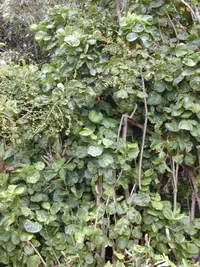
Shield aralia, Polyscias scutellaria, is a woody tropical shrub grown mainly as a foliage houseplant. It naturally occurs in coastal and lowland forests of Southeast Asia and the Pacific islands.
The plant forms upright, branching stems with rounded, shield-like leaves that create a dense, architectural look. Indoors it grows slowly and can be maintained as a compact specimen or a small indoor tree.
This species prefers bright, filtered light, stable warmth, and evenly moist but well-drained soil. It can be moderately demanding because it dislikes sudden temperature changes, drafts, and irregular watering, so learning how to care for Shield aralia helps keep it healthy and full.

Care Difficulty
Moderate Care

Light Preference
Bright Indirect Light

Water Requirements
Moderate Water

Temperature Preference
Tropical / Frost Sensitive

Hardiness Zone
11–12

Soil Texture
Loamy, Sandy, Organic-rich

Soil pH
Acidic (5.5–6.5), Slightly acidic (6.5–7.0)

Soil Drainage
Moist but well-drained

Fertilization
Light (every 4–6 weeks)
Scan your plant to receive care tips personalized for your specific plant
Available on iOS and Android
Polyscias scutellaria grows best in bright, filtered light that mimics dappled tropical shade.
Watering should maintain lightly moist but never waterlogged soil for this species.
Stable, warm temperatures support healthy growth and long-term vigor.
This species prefers moderately humid air indoors and reacts to prolonged dryness.
Polyscias scutellaria grows best in a loose, airy, moisture-retentive but well-drained mix.
This species is well suited to container growing when the pot supports its upright, woody growth.
Polyscias scutellaria benefits from modest, consistent feeding during active growth.
Pruning Polyscias scutellaria helps maintain a compact, well-branched form.
Container-grown plants appreciate occasional repotting to keep roots healthy and support steady growth.
Polyscias scutellaria is most often propagated from stem cuttings under warm, humid conditions.
This species is frost-sensitive and needs protection in climates with cold winters.

Plant Health Check
Not sure what's wrong with your plant? Check your plant's health inside the app.
This species is naturally found in coastal and lowland forests of islands in the southwest Pacific, including parts of Vanuatu and New Caledonia, where it often grows as an understory shrub or small tree in warm, humid conditions.
The plant gets its common name shield aralia from its rounded, sometimes shallowly lobed leaflets that resemble small shields, a trait that helps distinguish it from other Polyscias species with more finely divided foliage.
In many Pacific regions, this species has a long history as a decorative hedge and courtyard plant around homes and communal spaces, valued for its dense branching and ability to be pruned into compact, upright forms, which also translates well to modern Shield aralia indoor care.
Brown leaves usually result from low humidity, uneven watering, or salt buildup from fertilizer. Check that the root ball never fully dries, flush the soil occasionally, increase room humidity, and keep the plant away from heating or cooling drafts.
Keep your plants happy and healthy with plant identification, disease detection, and easy care guidance.