


Pot shape choice
Use a wide, shallow pot rather than a deep one to match the shallow root system and reduce the risk of the heavy stems tipping the container over as the plant gains height.

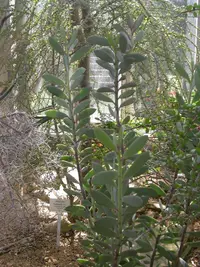
Lavender Steps is a compact, upright succulent form of Senecio crassissimus, known for its flat, vertical purple-edged leaves that stack neatly along stiff stems. It forms a sculptural clump that suits small pots and modern displays indoors or outdoors in mild climates.
This species comes from arid regions of Madagascar, so it naturally stores water in its leaves and tolerates short dry periods. Its drought tolerance and slow, tidy growth make it relatively easy to manage if overwatering is avoided.
It prefers bright light, very well-drained sandy or gritty soil, and infrequent watering, which guides how to care for Lavender Steps in most home settings.

Care Difficulty
Easy Care

Light Preference
Full Sun

Water Requirements
Low Water

Temperature Preference
Warm Climate

Hardiness Zone
10–11

Soil Texture
Sandy, Loamy, Rocky

Soil pH
Slightly acidic (6.5–7.0), Neutral (7.0)

Soil Drainage
Well-drained

Fertilization
Minimal (feed rarely)
Scan your plant to receive care tips personalized for your specific plant
Available on iOS and Android
This succulent prefers bright conditions that mimic its native, open habitats.
This drought-tolerant succulent stores water in its leaves and prefers infrequent, deep watering.
This species performs best in warm, dry conditions typical of many succulent habitats.
Senecio crassissimus handles typical indoor humidity well and seldom needs special adjustment.
This succulent needs a very fast-draining, mineral-based substrate to prevent root rot.
This species is well suited to container growing due to its compact, upright, succulent habit.
This drought-tolerant succulent needs modest feeding, so focus on light, infrequent applications during active growth for healthy Lavender Steps indoor care.
Light pruning keeps Senecio crassissimus compact and encourages tidy, upright growth.
This succulent prefers slightly tight quarters and needs infrequent repotting to avoid root disturbance.
Senecio crassissimus is commonly multiplied from stem cuttings taken during warm, bright months.
This succulent is only lightly frost tolerant and benefits from basic winter protection in colder climates.

Plant Health Check
Not sure what's wrong with your plant? Check your plant's health inside the app.
This species holds its flat, oval leaves vertically rather than horizontally, which reduces direct sun exposure on the leaf surface and helps limit water loss in its native arid habitat in Madagascar.
The foliage has a prominent purple edge caused by anthocyanin pigments, which can provide some protection from intense light and may help reduce damage from ultraviolet radiation.
Its thick, fleshy leaves store water, allowing the plant to survive long dry periods on rocky slopes where rainfall is irregular and soils drain very quickly.

In its native range in southwestern Madagascar, this species often grows partially shaded by rocks or sparse shrubs on limestone or rocky substrates, a microhabitat that protects its shallow root system from extreme temperature swings and rapid evaporation.
Brown, crispy edges usually result from underwatering, intense midday sun, or low humidity combined with heat. Check that the soil dries between waterings but does not stay bone-dry for long periods, and avoid sudden temperature extremes.
Keep your plants happy and healthy with plant identification, disease detection, and easy care guidance.

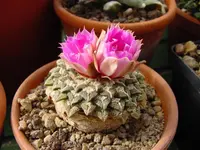
star rock
Ariocarpus kotschoubeyanus
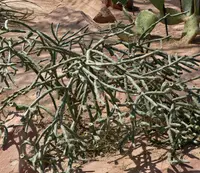
Arizona pencil cholla
Cylindropuntia arbuscula
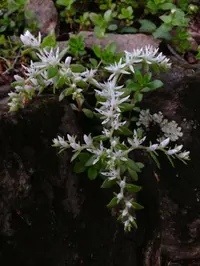
woodland stonecrop
Sedum ternatum
 POPULAR
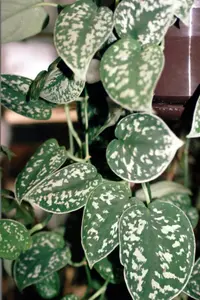
Satin Pothos
Scindapsus pictus
 POPULAR
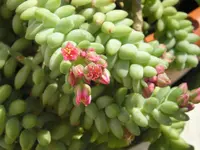
Burro's-tail
Sedum morganianum
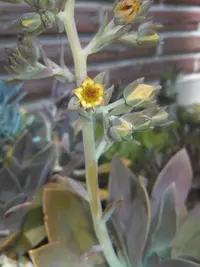
Graptoveria
× Graptoveria 'Fred Ives'
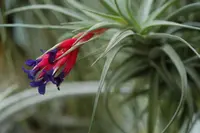
Tillandsia aeranthos
Tillandsia aeranthos
 POPULAR
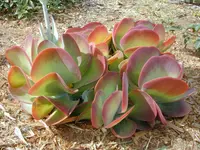
Flapjacks plant
Kalanchoe thyrsiflora