White Velvet Care (Tradescantia sillamontana)

About White Velvet

White velvet, Tradescantia sillamontana, is a compact, trailing perennial from arid regions of northeastern Mexico. It is grown mainly as a houseplant or in warm outdoor climates.

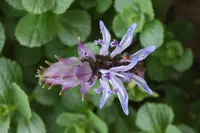
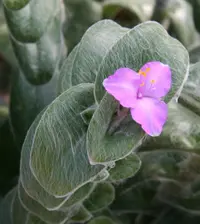
The plant forms low clumps with fleshy, jointed stems and small, pointed leaves densely covered in white hairs, giving it a silvery, fuzzy look. In warm seasons, it produces small, bright pink to purple, three-petaled flowers.

This species is naturally adapted to strong light, good air movement, and dry periods, which makes it relatively forgiving if watering is not perfect. Understanding how to care for White Velvet starts with providing bright conditions and a fast-draining, low-moisture soil mix.

Main Plant Requirements

Care Difficulty

Easy Care

Light Preference

Partial Sun

Water Requirements

Low Water

Temperature Preference

Warm Climate

Hardiness Zone

8–11

Soil Texture

Sandy, Loamy, Rocky

Soil pH

Slightly acidic (6.5–7.0), Neutral (7.0)

Soil Drainage

Well-drained

Fertilization

Minimal (feed rarely)

Get Personalized Care Plan

Scan your plant to receive care tips personalized for your specific plant

Personalized Care in the App

Available on iOS and Android

How to Care for the White Velvet

This species prefers bright, dry conditions that mimic its native, sunny, rocky habitats.

  • Provide 4–6 hours of direct morning sun with bright, filtered light the rest of the day; White Velvet tolerates light afternoon sun in cooler climates.
  • In hot regions, protect from intense afternoon sun to avoid scorched, bleached foliage, especially during summer heat waves.
  • If stems stretch, leaves pale, or variegation fades, the plant is not getting enough light; gradually increase sun exposure over 1–2 weeks.

Tradescantia sillamontana prefers slightly dry conditions and is sensitive to excess moisture around the roots.

  • Water only when the top 3–5 cm of soil is completely dry; the pot should feel noticeably lighter before watering again.
  • Use sharply draining soil and a container with drainage holes to prevent soggy conditions, yellowing leaves, and mushy stems from overwatering.
  • In spring–summer, dry out slightly faster and watch for soft, limp leaves as a sign of underwatering; in fall–winter, extend drying time and reduce watering volume.

This plant performs best in warm, dry air and does not tolerate hard frost.

  • Aim for 65–80°F (18–27°C) during active growth for compact stems and healthy leaf fuzz.
  • Protect from temperatures below 40°F (4°C); prolonged exposure near 32°F (0°C) can cause tissue damage or plant loss.
  • In hot summers, it tolerates 90–95°F (32–35°C) if soil drains quickly and roots are not waterlogged, but shelter from reflected heat against walls or pavement.

This species handles typical indoor humidity but prefers a slightly drier, airy environment that suits its succulent leaves.

  • Aim for 30–50% humidity; avoid prolonged levels above 60%, which can promote rot in the dense leaf hairs.
  • White Velvet tolerates dry, heated rooms better than many foliage plants, provided soil moisture is managed carefully.
  • Watch for grey fuzz staying wet, leaf yellowing at the base, or soft stems as signs of excess humidity and improve air movement.

Provide a fast-draining, airy mix that mimics a gritty, slightly organic hillside soil profile.

  • Use a cactus or succulent base mix with extra perlite or pumice and a small amount of fine bark to increase aeration.
  • Keep structure sandy or gritty rather than peat-heavy so water passes through quickly and roots receive steady oxygen.
  • A slightly acidic to neutral pH of about 6.0–7.0 is suitable for Tradescantia sillamontana in most tap-water areas.
  • Avoid dense garden soil, waterlogged containers, and mixes that stay wet for days, as these conditions quickly trigger root and stem rot.

This plant is well suited to container growing, including hanging or shallow pots.

  • Choose a wide, shallow pot that matches its spreading habit so stems can trail without crowding the root zone.
  • Use a heavier or terracotta container if growing outdoors so the plant remains stable and excess moisture can evaporate faster.
  • Ensure drainage holes never sit directly in a saucer of water by raising the pot slightly on small risers or pebbles.

This species grows well with light, targeted feeding rather than heavy fertilization, both indoors and outdoors.

  • Use a balanced liquid fertilizer (around 10-10-10 or 20-20-20) diluted to 25–50% strength for White Velvet in active growth.
  • Feed every 4–6 weeks from spring through early fall; skip applications if growth is weak or soil stays wet.
  • Withhold fertilizer in winter or dormancy, when growth is minimal, to prevent soft, leggy stems and root burn.
  • Organic options like a thin layer of compost or a mild fish or seaweed product can replace one liquid feeding in the season.

Thoughtful pruning keeps Tradescantia sillamontana compact, full, and flowering well in containers or beds.

  • Best timing is late winter to early spring, with light touch-ups through the growing season as needed.
  • Use clean, sharp scissors or snips to remove dead, damaged, or faded stems and any yellowing foliage.
  • Pinch or cut back long, lanky shoots above a leaf node to encourage branching and a denser mound.
  • Shortening crowded or trailing stems improves air movement, reduces rot risk, and channels energy into healthy new growth.

This plant tolerates slightly tight quarters but benefits from occasional repotting or transplanting when rootbound or exhausted.

  • Look for roots circling the pot, pushing through drainage holes, or noticeably slowed growth as cues to repot.
  • Plan repotting in spring, every 2–3 years, stepping up only 2–5 cm in pot diameter with a fast-draining mix.
  • Water lightly a day before, then slide the root ball out, loosen circling roots gently, and trim any dead or blackened sections.
  • Replant at the same depth, firm the mix gently, water once to settle roots, then keep in bright, indirect light for 3–7 days to reduce stress.

New plants are most often produced from short stem cuttings, which root reliably in warm, bright conditions.

  • Take 5–10 cm non-flowering stem cuttings in spring or early summer, just below a node, removing lower leaves.
  • Root cuttings in moist, well-drained mix or water at 70–80°F with bright, indirect light and good air movement.
  • Keep the medium barely moist, not wet, to avoid rot; roots usually appear in 1–3 weeks.
  • Division of a crowded clump in spring also works; keep divisions small and replant promptly at the original depth.

In mild climates this species is fairly tolerant, but extra winter care helps maintain plants, especially in containers.

  • Tradescantia sillamontana tolerates light frost but can be damaged by hard freezes, particularly wet cold.
  • In-ground plants benefit from a 3–5 cm layer of dry mulch around the root zone in late fall, kept off stems.
  • Move container plants indoors or to a frost-free, bright spot when night temperatures approach 32°F.
  • Reduce watering markedly in winter, keeping the soil just barely moist to prevent root and stem rot in cool conditions.

Care Tips

Encourage Dense Growth

Pinch back soft stem tips every 3–4 weeks during active growth to encourage branching and a fuller, cushion-like form rather than long, sparse runners.

Use Terracotta Pots

Grow this plant in unglazed terracotta containers to help excess moisture evaporate faster, which reduces the risk of root issues in its hairy, succulent-type stems.

Protect Fuzzy Leaves

Avoid misting or overhead watering so the dense hairs on the leaves stay dry, since prolonged moisture on the foliage can trap spores and increase fungal problems.

Seasonal Rest Period

In cooler, low-light months, allow the plant a semi-rest by reducing handling, avoiding repotting, and only trimming clearly dead or damaged growth so stored energy is not depleted.

Easy Propagation Rotation

Root 5–8 cm tip cuttings in a small nursery pot and rotate these back into the main display container every few months to maintain a young, compact look when caring for White Velvet.

Common Pests and Diseases

Spider mites

This pest thrives on the plant’s hairy leaves in warm, dry conditions and feeds by sucking sap, causing stippling, dulling of foliage, and fine webbing between stems and leaves.

Solution

Rinse foliage thoroughly with a strong, lukewarm water spray, then repeat every few days until webbing and speckling reduce; increase humidity slightly around the plant and isolate it from others. If mites persist, apply a targeted miticide or insecticidal soap to leaf undersides, following label directions and keeping the plant out of direct sun until foliage is dry.

Mealybugs

These insects hide in leaf axils and along stems, appearing as small white cottony clusters that weaken growth and cause leaf yellowing or distortion.

Solution

Remove visible clusters with a cotton swab dipped in isopropyl alcohol and prune heavily infested tips. Follow with several treatments of insecticidal soap or a systemic insecticide suitable for succulents, checking crevices regularly until no new insects appear as part of general Tradescantia sillamontana care.

Aphids

These insects gather on tender shoot tips and flower stalks, sucking sap and excreting sticky honeydew that can lead to sooty mold on the fuzzy leaves.

Solution

Wash stems and leaves under a gentle but firm stream of water to dislodge colonies, then inspect new growth weekly. For recurring infestations, apply insecticidal soap or horticultural oil to all soft tissue, ensuring good coverage while avoiding application during intense midday sun.

Botrytis blight

This disease develops in overly shaded, humid, or crowded conditions and causes soft, water-soaked spots on leaves and stems that may develop gray, fuzzy mold.

Solution

Remove and discard all affected tissue and improve airflow by thinning stems and avoiding overhead watering. Allow the soil surface to dry between waterings and, in severe cases, use a fungicide labeled for botrytis on ornamentals while adjusting conditions to be brighter and drier.

Leaf spot

Symptoms include small brown or purplish spots on leaves that may expand or merge, often following sustained leaf wetness or poor air circulation.

Solution

Cut off and dispose of affected leaves, water at the base rather than on the foliage, and provide brighter light and better spacing around the plant. If spotting continues to spread, apply a copper-based or broad-spectrum fungicide according to label instructions and monitor new growth closely.

Interesting Facts

Natural Mexican endemic

This species is naturally restricted to arid and semi-arid slopes in northern Mexico, especially in the state of Nuevo León, where it grows among rocky outcrops with strong sun and limited rainfall.

Woolly leaf adaptation

Its dense, white, wool-like hairs are a structural adaptation that reduces water loss, reflects intense sunlight, and creates a boundary layer of still air around the leaf surface in its dry native habitat.

Seasonal flowering habit

In suitable light, it produces small, bright magenta to pink three-petaled flowers mainly in the warmer months, following the typical spiderwort pattern of short-lived individual blooms that are continuously replaced by new ones.

Botan icon

Did you know?

In its native range, this species often forms low, mat-like clumps that help stabilize thin, rocky soils on slopes, slightly reducing erosion while simultaneously creating tiny sheltered pockets where seeds of other small plants can germinate.

FAQs about White Velvet

Brown tips usually result from underwatering, very low humidity, or fertilizer buildup in the potting mix. Flush the soil thoroughly, adjust watering to keep it lightly moist, and avoid placing the plant in very hot, dry drafts.

Grow Healthy Plants with Botan Care

Keep your plants happy and healthy with plant identification, disease detection, and easy care guidance.

Botan plant care app — identify plants on mobile

Explore More Plants