


Protect leaf edges
Place containers where wind and direct heat sources do not hit the foliage, as mechanical damage and scorching at the leaf margins are common on large, thin leaves.

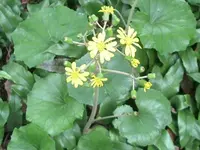
Leopard plant, Farfugium japonicum, is a shade-loving perennial grown mainly for its large, glossy, rounded leaves and bold architectural look. It forms low clumps that spread slowly, making it useful as a foliage focal point or groundcover in mild climates.
In its natural habitat, it occurs in moist, coastal areas of East Asia, often near streams or shaded rocky slopes. The plant prefers cool, sheltered locations with consistent moisture and rich, well-drained soil.
Its evergreen habit in warmer regions and generally steady growth make it moderately easy to manage, provided it does not dry out. Understanding how to care for Leopard plant begins with protecting it from strong sun and prolonged drought.

Care Difficulty
Moderate Care

Light Preference
Partial Shade

Water Requirements
Keep Soil Moist

Temperature Preference
Cool Climate

Hardiness Zone
7–10

Soil Texture
Loamy, Silty, Organic-rich

Soil pH
Acidic (5.5–6.5), Slightly acidic (6.5–7.0)

Soil Drainage
Moist but well-drained

Fertilization
Light (every 4–6 weeks)
Scan your plant to receive care tips personalized for your specific plant
Available on iOS and Android
This shade-loving perennial prefers bright, gentle light rather than intense direct sun.
This species prefers consistently moist but not waterlogged soil throughout the growing season.
This plant grows best in mild, cool-temperate conditions with protection from extremes.
This species prefers consistently moist air but tolerates typical indoor humidity if soil moisture is stable.
This plant prefers moist, organically rich, well-aerated soil that never dries completely out.
This species is well suited to container growing on shaded patios or balconies.
Farfugium japonicum benefits from moderate feeding to support lush foliage but reacts poorly to heavy fertilizer applications.
Farfugium japonicum needs light, targeted pruning to keep foliage clean and encourage fresh growth.
This plant grows slowly and prefers infrequent disturbance, so repotting or transplanting should be planned and gentle.
This species is most reliably multiplied by division, which preserves the traits of the parent plant.
In mild climates this plant is fairly cold tolerant, but it benefits from basic winter protection in colder regions.

Plant Health Check
Not sure what's wrong with your plant? Check your plant's health inside the app.
In the wild this species naturally occurs along shaded, rocky stream banks and coastal cliffs in Japan, Taiwan, and South Korea, where its thick, creeping rhizomes help anchor it in constantly moist but fast-draining substrates.
The plant develops large, nearly circular leaves with a leathery, glossy surface that helps shed heavy rain quickly while reducing damage from wind and salt spray in coastal habitats.
It flowers in late autumn to early winter, producing bright yellow, daisy-like flower heads that provide nectar and pollen for insects when many other woodland plants have already finished blooming.

On some Japanese islands, distinctive local forms of this species have evolved with unusually large, thick, or deeply scalloped leaves, and several of these regional variants later became the basis for numerous horticultural cultivars grown worldwide.
Leaf edges often brown from low humidity, excess sun, or inconsistent moisture. Check for dry soil pockets, hot drafts, or strong sunlight. Trim damaged leaves and adjust conditions gradually to stabilize Farfugium japonicum care.
Keep your plants happy and healthy with plant identification, disease detection, and easy care guidance.

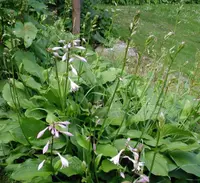
Siebold's Plantain Lily
Hosta sieboldiana
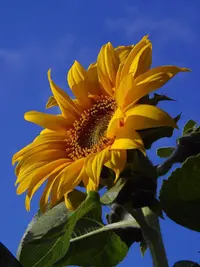
Sunflower
Helianthus annuus
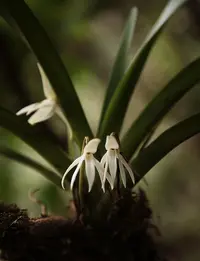
Jumellea triquetra
Jumellea triquetra
Philodendron wendlandii
Philodendron wendlandii
Hairy-lipped Polystachya
Polystachya pubescens
Natal Sundew
Drosera natalensis
 POPULAR
Droophead Tufted Airplant
Guzmania lingulata
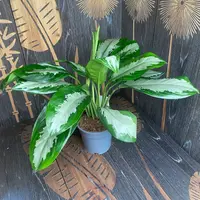
Chinese Evergreen
Aglaonema 'Diamond Bay'