Flapjacks plant Care (Kalanchoe thyrsiflora)

Also known as: Paddle Plant, White Lady, White Bird's Brandy

About Flapjacks plant

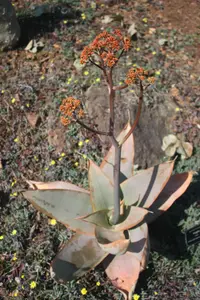
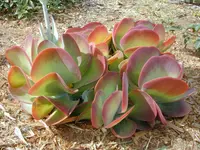
The flapjacks plant, Kalanchoe thyrsiflora, is a compact succulent known for its flat, rounded leaves stacked like pancakes. The leaves often develop red or pink edges in strong light, giving the plant a striking, architectural look.

It grows naturally in rocky, sunny areas of South Africa, which explains its drought tolerance and preference for bright, dry conditions. Growth is generally slow and neat, making it suitable for containers and small spaces.

This species is considered easy to moderate to grow, as it tolerates some neglect but is sensitive to overwatering and poor drainage. A bright spot, well-drained soil, and careful watering are usually enough to successfully care for Flapjacks plant.

Main Plant Requirements

Care Difficulty

Easy Care

Light Preference

Full Sun

Water Requirements

Low Water

Temperature Preference

Tropical / Frost Sensitive

Hardiness Zone

10–11

Soil Texture

Sandy, Loamy, Rocky

Soil pH

Slightly acidic (6.5–7.0), Neutral (7.0)

Soil Drainage

Well-drained

Fertilization

Minimal (feed rarely)

Get Personalized Care Plan

Scan your plant to receive care tips personalized for your specific plant

Personalized Care in the App

Available on iOS and Android

How to Care for the Flapjacks plant

Kalanchoe thyrsiflora needs strong light to maintain compact growth and leaf color.

  • Provide 4–6 hours of direct morning sun plus bright light the rest of the day; in hot regions, give bright, filtered light after 1–2 p.m. to avoid scorch.
  • Outdoors, place the Flapjacks plant where it gets at least 6 hours of sun, with some afternoon shade in summer; indoors, keep near a south- or west-facing window.
  • Insufficient light causes tall, weak growth and dull leaves; very intense, all-day sun can bleach or burn leaf edges, especially during heatwaves.

This succulent stores water in its leaves and prefers infrequent, deep watering.

  • Water only when the top 2–5 cm of soil are fully dry; in active growth this often means every 7–14 days, but always check the soil rather than the calendar.
  • Use very free-draining gritty soil and a pot or bed that never stays soggy; persistent moisture leads to root rot, limp leaves, and a sour smell from the soil.
  • Reduce watering in winter and cool, low-light periods; wrinkles and soft, folding leaves suggest underwatering, while yellowing, mushy leaves indicate overwatering in Kalanchoe thyrsiflora.

This species prefers warm, dry conditions similar to its native habitat.

  • Ideal growth occurs around 65–80°F (18–27°C); brief peaks up to 90°F (32°C) are tolerated if the soil is not waterlogged and there is good air movement.
  • Protect from cold; sustained exposure below 50°F (10°C) stresses the plant, and temperatures near 32°F (0°C) can cause tissue damage or death.
  • In regions with cool winters, grow Kalanchoe thyrsiflora as a container plant that can be moved to a frost-free space, keeping it drier and slightly cooler in the dormant season.

This succulent handles typical indoor humidity well and rarely needs special humidity care.

  • Target 30–50% relative humidity, similar to most heated or air-conditioned homes.
  • Dry indoor air is usually tolerated; root moisture balance is far more critical than air humidity for the Flapjacks plant.
  • If leaves wrinkle despite recent watering, check soil dryness and light first rather than trying to raise humidity.

This species needs a fast-draining, mineral-heavy mix to prevent root rot.

  • Use a commercial cactus/succulent mix or combine 50–60% coarse sand or grit with 40–50% composted potting mix.
  • Ensure a loose, crumbly structure that does not clump when squeezed, which improves aeration around the roots.
  • Aim for slightly acidic to neutral pH, roughly 6.0–7.0, which suits Kalanchoe thyrsiflora growth and nutrient uptake.
  • Avoid peat-heavy, dense, or water-retentive mixes; amend them with extra perlite or pumice until water drains through in seconds.

This species is well suited to container growing in both outdoor and indoor settings.

  • Choose a pot only 2–4 in wider than the root ball to keep the mix drying at a safe rate between waterings.
  • Select a sturdy, weighty container material such as ceramic if the rosettes become top-heavy and prone to tipping.
  • Use a pot with large, unobstructed drainage holes so excess water exits within seconds rather than pooling at the base.

Kalanchoe thyrsiflora benefits from light, controlled feeding during its active growing season.

  • Use a balanced liquid fertilizer (around 10-10-10 or 20-20-20) diluted to 1/4–1/2 strength for Flapjacks plant indoor care.
  • Apply every 4–6 weeks in spring and summer only, onto already-moist soil to avoid root burn.
  • Skip fertilizer in fall and winter when growth slows, unless the plant shows clear nutrient deficiency.
  • Avoid rich compost or heavy slow-release pellets that keep soil too moist or encourage lush, weak growth.

Kalanchoe thyrsiflora needs only light, strategic pruning to stay compact and healthy.

  • Best time is late winter to early spring, before strong new growth begins.
  • Remove dead, damaged, or shriveled leaves with clean, sharp scissors or small pruners.
  • Trim long, stretched stems back to a rosette to encourage a tighter, more symmetrical shape.
  • Cut spent flower stalks down to the base once they dry, directing energy back into foliage growth.

This succulent prefers slightly tight conditions and infrequent repotting in very free-draining soil.

  • Repot every 2–3 years in spring when roots circle the pot, emerge from drainage holes, or growth slows noticeably.
  • Choose a shallow pot with drainage and a gritty cactus/succulent mix to lower the risk of root rot.
  • Gently loosen the root ball, remove old, soggy soil, and trim any dead roots with sterilized scissors.
  • After repotting Kalanchoe thyrsiflora, keep it lightly shaded and almost dry for 5–7 days to let roots recover.

Kalanchoe thyrsiflora is most often propagated from offsets and leaf or stem cuttings.

  • Detach basal offsets or healthy leaf sections in spring or early summer for best success.
  • Allow cut surfaces to dry and callus for 1–3 days before planting to reduce rot risk.
  • Place cuttings on or in barely moist, gritty succulent mix, keeping bright light but no direct midday sun.
  • Maintain warm conditions (68–75°F) and minimal watering until firm new roots and growth appear.

This species is frost-sensitive and needs protection in regions with cold winters.

  • Move container plants indoors before temperatures drop below 40°F, placing them in bright light.
  • In mild climates, site outdoor plants in a very well-drained spot and mulch lightly around, not on, the rosettes.
  • Keep soil almost dry in winter, watering only enough to prevent complete shriveling.
  • Avoid cold drafts and sudden temperature swings that can scar leaves or cause drop.

Care Tips

Rotate For Symmetry

Turn the pot 90° every 2–3 weeks so the rosette develops evenly and the leaf stack stays upright instead of leaning strongly toward one side.

Encourage Compact Rosettes

Provide very bright light and avoid frequent repotting so growth stays dense and leaves remain thick and closely stacked rather than stretching and becoming floppy.

Controlled Offshoot Removal

When side pups appear at the base, remove only a few at a time with a clean, sharp knife so the mother plant keeps enough foliage to photosynthesize while you propagate the offsets separately.

Post-Bloom Recovery

After flowering, cut the spent bloom stalk at its base and slightly reduce watering for several weeks, which helps the plant redirect energy from seed production back into new leaf growth.

Salt And Mineral Management

In hard-water areas, occasionally flush the potting mix with distilled or rainwater until it drains freely to reduce salt buildup that can burn the fleshy leaf edges when growing Flapjacks plant.

Common Pests and Diseases

Mealybugs

This pest feeds on leaf sap and hides in the tight rosettes and between lower leaves, often appearing as white, cottony clusters. Symptoms include sticky honeydew, distorted new growth, and slow decline of the plant.

Solution

Isolate the plant, then dab visible insects with cotton swabs dipped in 70% isopropyl alcohol and repeat weekly until no new clusters appear. Increase light and airflow, avoid frequent misting, and use a neem oil or insecticidal soap spray directed into leaf bases and rosette centers to disrupt remaining populations.

Aphids

These insects cluster on young leaves and flower stalks, sucking sap and causing curling, yellowing, and sticky honeydew deposits. Sooty mold may grow on the honeydew if infestations are heavy.

Solution

Rinse the plant under a gentle but firm stream of water to dislodge colonies, then treat soft tissue and undersides of leaves with insecticidal soap every 5–7 days until new growth appears clean. Reduce excess nitrogen fertilization, which encourages soft, aphid-prone growth, and maintain good light levels to keep tissues firm.

Powdery mildew

This disease produces white, powdery patches on leaves, especially in crowded rosettes and in low airflow conditions. Symptoms include dull, discolored foliage and slowed growth, with older leaves sometimes yellowing prematurely.

Solution

Improve air circulation around the plant, avoid overhead watering, and allow the foliage to stay dry, especially at night. Remove heavily affected leaves and apply a sulfur-based or potassium bicarbonate fungicide labeled for ornamentals, repeating according to label directions until new growth stays clean.

Bacterial leaf spots

Symptoms include small, water-soaked, translucent spots on leaves that may enlarge, turn brown, and sometimes develop a yellow halo, often starting on lower leaves kept too wet. The spots can cause localized tissue collapse and make leaves look pitted or scorched.

Solution

Remove and discard affected leaves, keep water off the foliage, and allow the potting mix to dry well between waterings to reduce surface moisture. Improve spacing and airflow, sterilize tools, and avoid reusing contaminated pots or soil, as prevention is more effective than chemical control for this problem.

Nematode damage

These microscopic worms attack the root system, leading to stunted growth, poor water uptake, and foliage that stays small, pale, and lacks the typical strong red margins. Above-ground symptoms can resemble nutrient deficiency despite correct fertilization and light, which complicates Kalanchoe thyrsiflora care diagnosis.

Solution

Discard severely affected plants and their soil, since effective home treatments are limited, and never compost infected material. Use fresh, sterile succulent mix, clean pots with hot soapy water, and avoid bringing in contaminated outdoor soil; new plants should be quarantined and monitored before placing near an existing collection.

Interesting Facts

Stacked paddle leaves

This species forms a near-stemless rosette of large, flat, opposite leaves that stack in pairs, creating the characteristic paddle or flapjack appearance rather than a typical branching succulent form.

Cold-triggered red color

The leaf margins can turn an intense red when exposed to bright light combined with cooler temperatures, a protective response caused by pigments called anthocyanins that help shield tissues from light stress.

Short-lived monocarpic rosette

The main rosette usually flowers only once, then gradually declines, but it often produces offsets at the base that continue the plant’s life cycle even after the original rosette dies back.

Botan icon

Did you know?

The tall, branched flowering stalk of this species can reach well over 1 m in ideal conditions and bears numerous tubular, fragrant, pale yellow flowers that are visited by nocturnal moths in its native South African habitat.

FAQs about Flapjacks plant

Brown, crispy leaf edges usually result from intense sun combined with low humidity, underwatering, or fertilizer salts accumulating in the soil. Check for very dry mix, recent feeding, or sudden light changes, then adjust conditions gradually.

Grow Healthy Plants with Botan Care

Keep your plants happy and healthy with plant identification, disease detection, and easy care guidance.

Botan plant care app — identify plants on mobile

Explore More Plants