Rice cactus Care (Rhipsalis cereuscula)

About Rice cactus

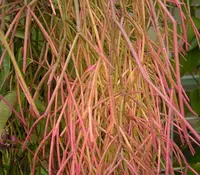
Rice cactus, Rhipsalis cereuscula, is an epiphytic cactus with many thin, jointed stems that branch and hang, forming a soft, cascading mound. It is native to tropical forests of Brazil, where it grows on trees or rocks under filtered light rather than in full sun.

The plant has a fine, rice-like texture, small areoles without sharp spines, and can produce small white flowers followed by round berries. Its tolerance for lower light, modest watering needs, and preference for airy, well-drained mix make it easier to keep than many desert cacti.

Because it adapts well to indoor conditions and typical room temperatures, it is a good option for hanging planters and shelves once you understand how to care for Rice cactus.

Main Plant Requirements

Care Difficulty

Easy Care

Light Preference

Bright Indirect Light

Water Requirements

Moderate Water

Temperature Preference

Tropical / Frost Sensitive

Hardiness Zone

10–12

Soil Texture

Sandy, Loamy, Organic-rich

Soil pH

Acidic (5.5–6.5), Slightly acidic (6.5–7.0)

Soil Drainage

Well-drained

Fertilization

Light (every 4–6 weeks)

Get Personalized Care Plan

Scan your plant to receive care tips personalized for your specific plant

Personalized Care in the App

Available on iOS and Android

How to Care for the Rice cactus

This epiphytic cactus prefers bright, filtered light that mimics dappled forest shade.

  • Provide 4–6 hours of bright indirect light daily, such as near an east or north-facing window or under light tree cover outdoors.
  • Allow gentle early morning sun but protect Rice cactus from harsh midday or afternoon sun, which can cause yellowing or scorched stems.
  • In low light, stems may stretch and pale; move gradually to a brighter spot, especially in winter when natural light intensity drops.

This species prefers slightly moist but never waterlogged conditions and is less drought-tolerant than desert cacti.

  • Water when the top 2–4 cm of soil feel dry, using thorough watering so excess drains away, then let the soil partially dry again.
  • In spring and summer, expect to water more often; in fall and winter, extend intervals as growth slows and evaporation decreases.
  • Watch for wrinkling, limp segments, and very light pot weight as signs of underwatering, and for mushy, translucent stems as signs of overwatering and poor drainage.

This forest cactus prefers mild, stable temperatures without extremes of heat or cold.

  • Aim for 65–80°F (18–27°C) for best growth, similar to typical indoor room conditions or shaded, mild outdoor spots.
  • Protect Rhipsalis cereuscula from temperatures below 50°F (10°C); brief drops to 40–45°F (4–7°C) may be tolerated but can stress the plant.
  • Avoid placing it near heat sources or in hot, enclosed spaces where temperatures exceed 90°F (32°C), and shield from cold drafts or frost at all times.

This epiphytic cactus prefers moderate indoor humidity and benefits from slightly boosted moisture in very dry homes.

  • Aim for 40–60% humidity; it tolerates brief dips lower but prolonged very dry air slows growth.
  • Crisp or browning segment tips and fine wrinkling indicate low-humidity stress rather than underwatering.
  • Group Rice cactus with other plants, place it on a pebble tray, or run a nearby humidifier to raise local humidity.

This species needs a loose, airy mix that drains quickly yet holds light, even moisture around the roots.

  • Use a mix of roughly 50% fine orchid bark, 30% cactus mix or coarse sand, and 20% compost or coco coir for structure and organic matter.
  • Ensure the texture is crumbly and open so water passes through within seconds while roots still access thin films of moisture.
  • Aim for slightly acidic to neutral pH around 5.5–7.0, which supports nutrient availability for Rhipsalis cereuscula.
  • Avoid heavy, compacted, or peat-only mixes that stay wet for many hours, as these reduce aeration and increase the risk of root rot.

This trailing cactus is very suitable for container culture, including hanging pots and elevated planters.

  • Choose a wide, shallow container that allows its fibrous roots to spread horizontally without sitting in a deep water column.
  • Select a pot material that matches your watering style, using terracotta to let the mix dry faster or glazed ceramic to slow moisture loss.
  • Stabilize hanging or elevated containers securely because the plant’s cascading mass can become top-heavy and shift the pot’s balance over time.

This epiphytic cactus benefits from light, consistent feeding during its active season.

  • Use a balanced liquid cactus or houseplant fertilizer (around 10-10-10) diluted to 25–50 % strength.
  • Feed every 4–6 weeks in spring and summer to support new segmented growth on Rice cactus.
  • Switch to a slow-release formulation or stop feeding entirely from fall through winter.
  • Avoid heavy compost or frequent high-nitrogen feeds, which can cause weak, overly soft stems.

Rhipsalis cereuscula responds well to light, corrective pruning that maintains a tidy, hanging form.

  • Best timing is late winter to early spring, just before strong new growth starts.
  • Use clean, sharp scissors or pruning shears to remove dead, damaged, or shriveled stems at the base.
  • Thin congested, tangled segments to improve air flow and light penetration, which supports healthier growth and flowering.
  • Shorten overly long trails to balance the plant’s shape and encourage branching from higher nodes.

This cactus has fine, shallow roots and prefers infrequent repotting in a stable, airy mix.

  • Check for roots circling the pot, emerging from drainage holes, or noticeably slowed growth as signs it needs more space.
  • Repot every 2–3 years in spring, stepping up only 2–5 cm in pot diameter with a well-draining cactus or epiphyte mix.
  • Lift the plant gently, loosen circling roots with fingers, and trim only broken roots to minimize stress.
  • Water lightly after repotting, keeping the mix just barely moist for 1–2 weeks while roots re-establish.

New plants are most commonly produced from stem cuttings rather than seeds.

  • Take 5–10 cm healthy stem segments from Rhipsalis cereuscula in spring or early summer.
  • Allow cut ends to dry and callus for 1–2 days to reduce rot risk before planting.
  • Insert cuttings into a slightly moist, well-draining cactus or succulent mix, keeping segments stable but not buried too deeply.
  • Provide bright, indirect light and warm temperatures (68–80°F), keeping the mix barely moist until roots form in 3–6 weeks.

This species is frost sensitive and needs mild, protected conditions in winter.

  • Keep temperatures above 50°F; brief dips to 45°F are usually tolerated if kept dry.
  • Move container plants indoors or into a greenhouse before the first frost, especially in cold climates.
  • Place in bright, indirect light and reduce watering, allowing the top mix to dry more between waterings.
  • Avoid drafts from cold windows or doors, which can damage succulent stems and tips.

Care Tips

Support trailing stems

Install a lightweight hanging basket or wall-mounted bracket and let the stems spill over the edge so segments do not kink or bruise against a hard rim as they lengthen.

Rotate for even form

Turn the pot 90° every 2–3 weeks so all sides receive similar light exposure, which keeps the plant dense and prevents one-sided, stretched growth.

Use gentle staking

If stems become tangled or crowded, guide a few into a loose hoop or semicircular wire support to separate growth, improve air flow, and reduce the risk of rot where segments touch for long periods.

Seasonal repot timing

Plan any repotting or root disturbance for mid to late spring, just before the main growth flush, to help the plant recover quickly and resume active growth.

Quarantine new arrivals

Keep any new plants in a separate area for 2–3 weeks and inspect them with a hand lens for mealybugs and scale before placing them nearby, which helps prevent pest introductions when growing Rice cactus in mixed collections.

Common Pests and Diseases

Mealybugs

This pest feeds on the soft, segmented stems and hides in crevices, causing yellowing and weak, stunted growth. Symptoms include white, cottony clusters along joints and at the base of stems.

Solution

Isolate the plant, then dab visible insects with cotton swabs dipped in 70% isopropyl alcohol and gently wipe stems. Rinse the plant with lukewarm water, improve air circulation, and repeat alcohol spot-treatments weekly until no new clusters appear; for heavy infestations, use a low-toxicity insecticidal soap labeled for succulents and epiphytes.

Soft scale

These insects attach to stems and segments, sucking sap and causing dull discoloration and sticky honeydew that can lead to sooty mold. Infested stems often lose vigor and may shrivel over time.

Solution

Scrape or wipe off individual scale insects with a soft cloth or cotton swab dipped in 70% isopropyl alcohol, then rinse the plant thoroughly. Maintain slightly lower humidity around the plant until under control and apply insecticidal soap or horticultural oil in repeated light treatments, carefully following label rates to avoid burning the succulent tissue.

Spider mites

This pest thrives on Rhipsalis cereuscula in warm, dry indoor air, causing fine webbing and tiny pale stippling on segments. Severe cases lead to dull, gray-green stems and slow dieback at the tips.

Solution

Shower the plant under a gentle stream of lukewarm water to remove mites and webbing, including the undersides of segments. Raise humidity, improve air movement, and use repeated applications of insecticidal soap or a light horticultural oil spray, ensuring good coverage but avoiding treatment under strong direct sun.

Stem rot

This disease is favored by constantly wet substrate and poor drainage, causing segments to turn translucent, mushy, and brown starting at the base. Symptoms include a foul odor and stems that detach easily from the potting mix.

Solution

Remove the plant from the pot, cut off and discard all soft, dark, or foul-smelling tissue, and keep only firm, healthy segments for re-rooting. Repot into a fresh, very well-draining epiphytic cactus mix, water sparingly, and adjust routine watering so the mix dries partially between waterings and the pot has unobstructed drainage holes.

Edema

This disorder appears when roots absorb water faster than the plant can use it in cool, low-light conditions, leading to small corky or blister-like spots on the segments. Symptoms include rough, tan lesions that do not spread like an infection but remain as cosmetic damage.

Solution

Allow the mix to dry more between waterings, and avoid heavy watering in cool or very low-light periods, especially for Rice cactus indoor care. Improve light to bright shade, increase airflow, and keep temperatures more stable; new growth will form normally once watering and environment are balanced, though existing scars will remain.

Interesting Facts

Epiphytic forest cactus

This species naturally grows as an epiphyte or lithophyte, anchoring itself on tree branches or rocks in Brazil’s Atlantic Forest rather than in typical desert soil like many other cacti.

Jointed rice-like stems

Its stems are made of many short, bead-like segments that branch repeatedly, creating a dense, cascading structure that inspired the common name rice cactus.

Shade-tolerant cactus

Unlike most cacti that need intense sun, this species is adapted to dappled forest light under a canopy, which is why it tolerates bright shade much better than strong direct sun.

FAQs about Rice cactus

Lack of flowering is usually linked to insufficient light, no slight winter rest, or excess nitrogen fertilizer. Provide bright indirect light, slightly cooler and drier winter conditions, and a balanced, low-dose fertilizer to support bud formation.

Grow Healthy Plants with Botan Care

Keep your plants happy and healthy with plant identification, disease detection, and easy care guidance.

Botan plant care app — identify plants on mobile

Explore More Plants