


Stabilize Heavy Caudex
Use a wide, heavy pot and top-dress with coarse gravel so the swollen base stays upright and stable as it enlarges over time.

-1-200x150.webp)
Namibian grape, Cyphostemma juttae, is a succulent shrub with a thick, water-storing trunk called a caudex and fleshy, grape-like leaves. It grows slowly and can reach a tree-like form over many years.
This species is native to arid, rocky areas of Namibia, where it survives intense sun and long dry periods. Its swollen base and deciduous leaves help it cope with drought.
The plant suits patient growers who can provide bright light, warmth, and very well-drained, gritty soil. It is not difficult once established but reacts poorly to overwatering and cold.
Understanding how to care for Namibian Grape focuses mainly on avoiding excess moisture and giving it a stable, dry rest period after active growth.

Care Difficulty
Moderate Care

Light Preference
Full Sun

Water Requirements
Low Water

Temperature Preference
Tropical / Frost Sensitive

Hardiness Zone
10–11

Soil Texture
Sandy, Loamy, Rocky

Soil pH
Slightly acidic (6.5–7.0), Neutral (7.0)

Soil Drainage
Well-drained

Fertilization
Minimal (feed rarely)
Scan your plant to receive care tips personalized for your specific plant
Available on iOS and Android
This succulent prefers strong, bright light that mimics its arid habitat.
Watering for this caudiciform succulent must stay on the dry side to protect its thick trunk and roots.
This species prefers warm, dry conditions and reacts poorly to cold, especially when wet.
This succulent prefers dry indoor air and rarely needs extra humidity attention.
Cyphostemma juttae needs very fast-draining, mineral-rich soil to protect its caudex from rot.
This species is very suitable for container growing due to its slow growth and sculptural caudex.
This succulent shrub has low nutrient demand, so light, infrequent feeding is enough for healthy Cyphostemma juttae growth.
This species needs minimal pruning, mainly to maintain structure and remove problem growth.
Container-grown plants prefer infrequent repotting due to their thick caudex and sensitive roots.
New plants are usually raised from seed, with vegetative methods less common and slower.
This plant is not frost hardy and needs protection in most temperate climates during winter.

Plant Health Check
Not sure what's wrong with your plant? Check your plant's health inside the app.
This species is naturally restricted to arid regions of Namibia and southern Angola, where it grows on rocky slopes and gravelly outcrops with extremely low and erratic rainfall.
The plant develops a swollen, corky trunk called a caudex that stores water, allowing it to survive long dry periods and intense sun typical of its native habitat.
It belongs to the Vitaceae family, the same family as true grapes (Vitis), and produces fleshy berries, though these are considered toxic and are not eaten.

In habitat this species often grows slowly for many years before forming a conspicuously sculptural, bottle-shaped trunk that can reach over 1 m tall, making mature individuals highly prized and sometimes illegally collected from the wild.
Brown, crispy leaf edges usually result from underwatering, prolonged heat, or low humidity combined with intense light. Check the caudex and soil moisture, lengthen intervals gradually, and protect from hot, drying drafts to prevent further damage.
Keep your plants happy and healthy with plant identification, disease detection, and easy care guidance.

Copiapoa humilis
Copiapoa humilis
Mammillaria zeilmanniana
Mammillaria zeilmanniana
Mexican Pony Tail Palm
Beaucarnea gracilis
Prayer Pepper
Peperomia dolabriformis
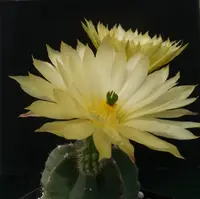
Echinocereus subinermis
Echinocereus subinermis
 POPULAR
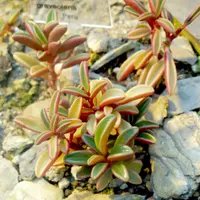
Ruby Glow
Peperomia graveolens
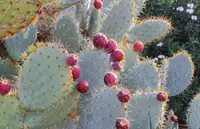
nopal tapón
Opuntia robusta
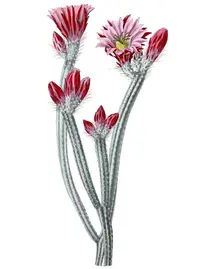
dahlia hedgehog cactus
Echinocereus poselgeri