Chichituna Care (Polaskia chichipe)

About Chichituna

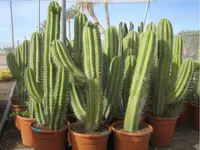
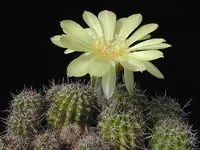
Polaskia chichipe, commonly called chichituna, is a branching columnar cactus from arid regions of central Mexico. It forms upright, many-stemmed clumps with well-defined ribs and short spines. In mature plants, creamy white flowers appear near the stem tips, followed by small, edible fruits that add seasonal interest. This species is slow to moderate in growth and can live for many years in containers or desert-style gardens. It is generally considered an easy cactus to manage for growers who understand basic desert conditions. Bright light, very well-drained sandy or gritty soil, and careful watering are key points in how to care for Chichituna.

Main Plant Requirements

Care Difficulty

Easy Care

Light Preference

Full Sun

Water Requirements

Low Water

Temperature Preference

Tropical / Frost Sensitive

Hardiness Zone

10–11

Soil Texture

Sandy, Loamy, Rocky

Soil pH

Slightly acidic (6.5–7.0), Neutral (7.0)

Soil Drainage

Well-drained

Fertilization

Minimal (feed rarely)

Get Personalized Care Plan

Scan your plant to receive care tips personalized for your specific plant

Personalized Care in the App

Available on iOS and Android

How to Care for the Chichituna

This columnar cactus prefers strong light that mimics its native desert conditions.

  • Provide 6–8 hours of direct sun daily, ideally with morning sun and some light afternoon shade in very hot, dry climates.
  • In mild or coastal areas it tolerates full sun all day; young Chichituna may benefit from 1–2 weeks of gradual exposure to prevent sunburn.
  • If stems elongate, lean, or turn pale green, light is too low; move to a brighter, unshaded south- or west-facing spot, especially in winter.

Watering should be infrequent and guided by soil dryness rather than by a fixed schedule.

  • Allow the top 5–8 cm of gritty, fast-draining soil to dry completely before watering, then soak the root zone thoroughly once.
  • In spring and summer, this may mean watering every 10–21 days in hot, dry climates; in cool or humid conditions, intervals can extend to several weeks.
  • Wrinkling or slight softening signals mild thirst, while yellowing, black spots at the base, or a sour smell indicate overwatering in Polaskia chichipe.

This species thrives in warm, arid conditions and is sensitive to prolonged cold or frost.

  • Aim for active growth temperatures of 70–90°F (21–32°C), with good air movement to prevent heat buildup around the stems.
  • Short exposures down to 28–32°F (-2–0°C) may be survived if the plant is very dry, but tissue damage and scarring are likely below freezing.
  • In winter, keep it cool and dry at 50–60°F (10–16°C) if possible, and protect from frost, cold winds, and sudden drops after hot days.

This cactus handles low household humidity well and rarely needs special humidity care.

  • Aim for 20–50% relative humidity, similar to a dry indoor room or arid outdoor climate.
  • Dry air is usually tolerated; problems appear more from excess moisture than from low humidity.
  • If humidity stays above 60%, increase air movement to prevent stem spotting and fungal issues when caring for Chichituna.

Use a very fast-draining, mineral-heavy mix to prevent root rot in Polaskia chichipe.

  • Choose a gritty, sandy soil structure with minimal organic matter to mimic arid, rocky habitats.
  • Blend roughly 60–70% inorganic materials (pumice, coarse sand, small gravel, perlite) with 30–40% cactus potting mix.
  • Keep pH slightly acidic to neutral, around 6.0–7.0, which supports nutrient availability without stressing roots.
  • Avoid fine, peat-heavy, compacted, or water-retentive mixes that stay wet longer than 1–2 days after watering.

This species adapts well to container growing when the pot is chosen for drainage and stability.

  • Select a deep, heavy pot so the tall, columnar stems do not tip the container in wind or when bumped.
  • Use a container material such as unglazed clay if extra evaporation is needed in cooler or humid climates.
  • Elevate the pot slightly on feet or bricks to let drainage holes clear water quickly and keep the root zone dry.

This cactus needs only light feeding, as it is adapted to nutrient-poor soils, but moderate fertilization supports healthy growth in containers when caring for Chichituna.

  • Use a balanced cactus fertilizer or low-strength balanced NPK at 1/4–1/2 label rate.
  • Feed every 4–6 weeks during the warm growing season when active growth is visible.
  • Avoid heavy organic compost; choose a low-salt, mineral-focused product for succulents.
  • Stop feeding in late fall and winter to respect its natural dormancy and prevent weak, elongated growth.

Polaskia chichipe requires minimal pruning, mainly to maintain health and safe structure.

  • Perform light pruning in late spring or early summer, after the risk of frost has passed.
  • Remove dead, diseased, or damaged stems using clean, sharp bypass pruners or a sterile knife.
  • Cut out crossing or crowded side branches to improve air flow and maintain a single or few main columns.
  • Avoid cutting healthy main stems heavily, as this can distort its natural columnar form and reduce flowering.

This slow-growing cactus generally needs infrequent repotting, with attention to root health and drainage.

  • Check for roots circling the pot, emerging from drainage holes, or very slow growth as signs it needs a larger container.
  • Plan repotting or transplanting in late spring or early summer, when active root growth helps recovery.
  • Repot every 3–5 years into a slightly larger pot with gritty, fast-draining cactus mix to prevent root rot.
  • Allow the root ball to dry slightly, handle roots gently, and withhold watering for 5–7 days after repotting to limit stress.

This species is most reliably propagated from seeds, though stem cuttings can be used where offsets or branches are available.

  • Sow fresh seeds in late spring in a sterile, gritty cactus mix kept lightly moist and warm at 70–80°F.
  • Provide bright, indirect light and good air circulation to limit damping-off, a fungal seedling disease.
  • For cuttings, take a healthy stem section, let the cut end callus for 7–14 days, then set into dry, well-drained mix.
  • Water cuttings sparingly until roots form, then increase watering slightly as growth resumes.

This cactus prefers warm, arid conditions and is not tolerant of sustained hard frost, especially in containers.

  • Keep outdoor plants in regions warmer than about 25°F; prolonged colder periods risk tissue damage.
  • For potted plants, move containers indoors or into an unheated but frost-free, very bright space for winter.
  • Reduce watering sharply in winter, keeping the soil almost dry to prevent cold-related root rot.
  • In marginal climates in-ground, use a deep gravel mulch to improve drainage around the root zone.

Care Tips

Encourage Branching

Lightly notch or score the epidermis at the top of a mature, healthy stem in late spring to stimulate side branching and create a fuller, more wind-stable plant.


Gradual Sun Hardening

When moving a plant from indoor light or shade to full sun, increase direct exposure by 30–60 minutes every few days to prevent corking and sunscald on the stems.

Secure Container Weight

Use a heavy, wide-based pot or add a top layer of coarse gravel to the container to lower the center of gravity and reduce the risk of tall stems toppling in strong winds.

Cold-Rain Protection

Before forecasted cool, wet weather, move container plants under an eave or simple cold frame so stems stay dry and avoid fungal spotting and cold damage at the same time.

Monitor Spine Health

Inspect spines and areoles monthly for scale insects or mealybugs, using a soft brush and isopropyl alcohol on affected areas, which is an important part of caring for Chichituna in dry indoor settings.

Common Pests and Diseases

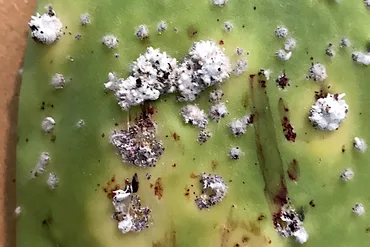
Cochineal scale

This pest forms white, cottony clusters on ribs and areoles, feeding on cactus sap and weakening stems over time. Symptoms include sticky honeydew and sooty mold on heavily infested plants.

Solution

Physically remove visible insects with a cotton swab dipped in 70% isopropyl alcohol, then rinse the plant with a strong but controlled stream of water. For persistent infestations, apply a neem oil or insecticidal soap spray to all stem surfaces every 7–10 days, and keep the plant in a dry, bright, well‑ventilated spot to discourage reinfestation.

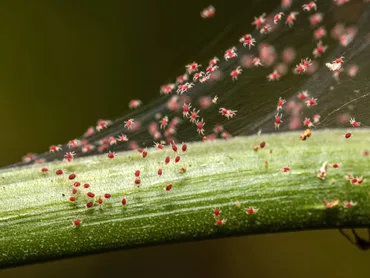
Red spider mites

These insects are tiny, often reddish mites that thrive in hot, dry conditions and cause fine stippling, dulling, and a rough texture on cactus skin. Symptoms include very fine webbing in crevices and between ribs.

Solution

Increase humidity slightly around the plant without wetting the soil surface, then wash stems thoroughly with lukewarm water to remove mites and webbing. Follow up with repeated applications of insecticidal soap or a light horticultural oil, ensuring full coverage of ribs and areoles, and isolate affected plants until new growth appears clean.

Soft scale

This pest appears as small, brown to tan, dome‑shaped bumps firmly attached to the stems, often along ribs and at branching points. This pest sucks sap, leading to slow decline, yellowing patches, and honeydew that may attract ants or mold.

Solution

Gently scrape or wipe off individual scales with a soft brush or cloth moistened with 70% isopropyl alcohol, taking care not to damage the epidermis. After mechanical removal, apply a neem oil or insecticidal soap spray to the entire plant and repeat at 10–14 day intervals until no new scales appear, while keeping the cactus in full sun and low humidity to support recovery.

Fungal stem spotting

This disease causes small sunken spots or corky lesions on stems, often starting where minor injuries or water droplets sit on the skin for long periods. Symptoms include localized discoloration that may gradually expand, especially under cool, damp conditions.

Solution

Remove and discard severely affected stem sections using a sterile, sharp knife, cutting back to healthy green tissue and allowing cuts to dry and callus in bright, dry air. Improve air circulation, reduce overhead watering, keep the plant in a sunnier, warmer position, and if new spots appear, apply a sulfur‑based or copper‑based cactus‑safe fungicide lightly to affected areas.

Bacterial soft rot

Symptoms include suddenly soft, water‑soaked, foul‑smelling patches on the stem, often starting at an injury point or area kept excessively wet. This disease spreads quickly through inner tissues and can collapse an entire stem segment if not contained.

Solution

Immediately cut away all affected tissue well into firm, healthy, non‑smelly flesh using sterile tools, then allow the remaining plant to dry in a warm, airy place until all cut surfaces have fully callused. Discard contaminated soil, repot into fresh, sharply draining cactus mix, avoid splashing water on stems, and maintain strict dryness around wounds to support Polaskia chichipe plant care and prevent recurrence.

Interesting Facts

Bat-pollinated cactus

In its native Mexican habitats, this columnar cactus is pollinated by nectar-feeding bats that visit its night-opening, tubular flowers, an adaptation to nocturnal desert conditions.

Edible red fruits

It produces small, bright red, berry-like fruits that are eaten locally and also serve as food for birds and small mammals, which help disperse the seeds.

Karst slope specialist

Wild populations often grow on rocky, limestone hills and cliffs in central Mexico, where their deep root systems anchor them in shallow, mineral-rich soils.

Botan icon

Did you know?

This species is considered a key structural component of certain central Mexican dry forests and scrublands, forming part of multi-species cactus stands that create microhabitats for insects, birds, and reptiles in otherwise exposed, arid landscapes.

FAQs about Chichituna

This columnar cactus grows slowly, typically adding 5–10 cm per year in good conditions. It may take several years to form branching stems and 10–15 years to approach its mature landscape size.

Grow Healthy Plants with Botan Care

Keep your plants happy and healthy with plant identification, disease detection, and easy care guidance.

Botan plant care app — identify plants on mobile

Explore More Plants