


Rotate For Symmetry
Turn the pot 90° every 2–3 weeks so the narrow leaves receive light from different directions and the plant keeps a compact, evenly mounded shape instead of leaning to one side.

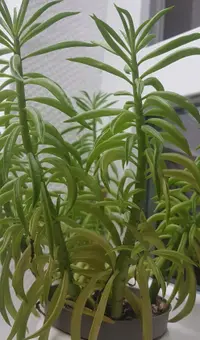
Peperomia ferreyrae, commonly called the happy bean plant, is a compact tropical houseplant in the pepper family. It is grown mainly for its unusual foliage rather than flowers.
The plant forms small clumps of narrow, bean-like leaves that are bright green and slightly translucent along the top. Stems stay relatively short and upright, giving it a tidy, architectural look on shelves or desks.
In nature, it occurs in Peru, often in bright, filtered light with good air movement and fast-draining, gritty soils. Its succulent-like leaves store water, which makes it forgiving of brief dryness but sensitive to overwatering.
These traits make it suitable for beginners who want to learn how to care for Happy Bean plant in typical indoor conditions with stable temperatures and moderate light.

Care Difficulty
Easy Care

Light Preference
Bright Indirect Light

Water Requirements
Low Water

Temperature Preference
Tropical / Frost Sensitive

Hardiness Zone
11–12

Soil Texture
Sandy, Loamy, Organic-rich

Soil pH
Acidic (5.5–6.5), Slightly acidic (6.5–7.0)

Soil Drainage
Well-drained

Fertilization
Light (every 4–6 weeks)
Scan your plant to receive care tips personalized for your specific plant
Available on iOS and Android
Peperomia ferreyrae prefers bright, indirect light that mimics dappled sun under taller plants.
This semi-succulent stores moisture in its leaves, so watering must be light and well controlled.
This species prefers stable, warm conditions without sudden cold drafts or heat spikes.
Peperomia ferreyrae handles typical indoor humidity but benefits from slightly moist air.
Peperomia ferreyrae prefers a loose, airy, slightly moisture-retentive but fast-draining mix.
This species is very suitable for container growing due to its compact, shallow root system.
Peperomia ferreyrae benefits from light, controlled feeding during its active growing months.
Peperomia ferreyrae responds well to light pruning that maintains a compact, tidy form.
This compact species prefers slightly tight pots and only occasional repotting.
Peperomia ferreyrae is commonly propagated from stem and leaf cuttings during the warm growing season.
This plant is frost-sensitive and needs mild, stable conditions during winter, especially in temperate climates.

Plant Health Check
Not sure what's wrong with your plant? Check your plant's health inside the app.
The narrow, folded leaves closely resemble green bean pods, an adaptation that reduces the exposed surface area and helps limit water loss in its native dry habitats of Peru.
Unlike many other peperomias with fleshy but flat leaves, this species has distinctly tubular, semi-succulent foliage, reflecting its evolution in brighter, drier microhabitats within tropical regions.
In nature it often grows as a small epiphyte or lithophyte, anchoring to bark or rock with a shallow root system and relying heavily on stored leaf moisture rather than deep soil access.
Brown tips or edges usually come from underwatering, low humidity, or fertilizer salts building up in the pot. Check soil moisture, flush the pot occasionally, and avoid placing the plant in hot, dry drafts.
Keep your plants happy and healthy with plant identification, disease detection, and easy care guidance.

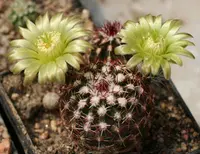
nylon hedgehog cactus
Echinocereus viridiflorus
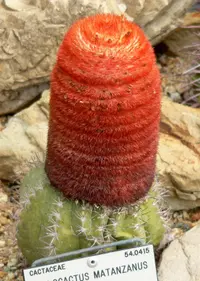
Dwarf turk's cap cactus
Melocactus matanzanus
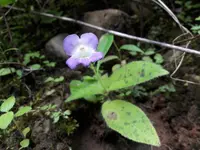
Henckelia pumila
Henckelia pumila
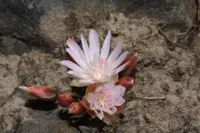
bitter root
Lewisia rediviva
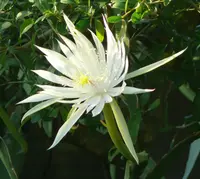
climbing cactus
Epiphyllum hookeri
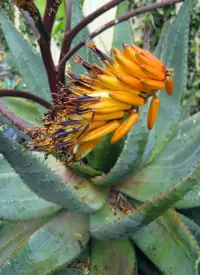
Mountain aloe
Aloe marlothii
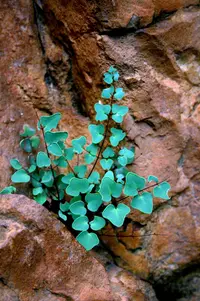
Hemionitis calomelanos
Hemionitis calomelanos

Dwarf Umbrella Plant
Heptapleurum arboricola 'Janine'