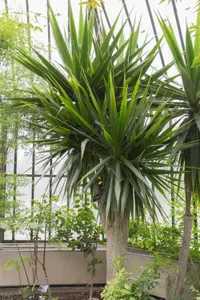
Snake plant Care (Dracaena trifasciata)

Also known as: Saint George's sword, mother-in-law's tongue, viper's bowstring hemp

About Snake plant

Snake plant, Dracaena trifasciata, is a tough, upright succulent often grown as an indoor foliage plant. It forms stiff, sword-like leaves that grow in dense clumps from the base. Leaf colors range from deep green to variegated patterns with pale green or yellow edges.

This species is native to West Africa, where it tolerates dry, bright conditions and poor, rocky soils. Its ability to handle low light, irregular watering, and indoor air makes it popular in homes and offices.

Many owners choose it for its durability and slow growth, which suit small spaces and busy schedules. Basic knowledge of how to care for Snake plant is usually enough to keep it thriving long term.

Main Plant Requirements

Care Difficulty

Easy Care

Light Preference

Bright Indirect Light

Water Requirements

Low Water

Temperature Preference

Tropical / Frost Sensitive

Hardiness Zone

10–12

Soil Texture

Sandy, Loamy, Organic-rich

Soil pH

Acidic (5.5–6.5), Slightly acidic (6.5–7.0)

Soil Drainage

Well-drained

Fertilization

Minimal (feed rarely)

Get Personalized Care Plan

Scan your plant to receive care tips personalized for your specific plant

Personalized Care in the App

Available on iOS and Android

How to Care for the Snake plant

This species prefers bright, indirect light but tolerates a fairly wide range of conditions.

  • Provide 6–8 hours of bright, filtered light daily, such as near an east- or north-facing window or under light shade outdoors.
  • Tolerates partial shade and low light, though Snake plant will grow more slowly and may produce softer, darker leaves.
  • Avoid harsh midday or strong afternoon sun, which can cause leaf scorch; in winter, move slightly closer to windows to compensate for weaker light.

This plant stores moisture in its leaves and prefers drying slightly between waterings.

  • Allow the top 3–5 cm of soil to dry before watering; use your finger or a moisture meter rather than following a fixed schedule.
  • Water thoroughly, then let excess drain away; choose well-drained, gritty soil to reduce the risk of root rot in Dracaena trifasciata.
  • In spring and summer, watering is more frequent; in fall and winter, extend intervals and watch for mushy leaves (overwatering) or deep wrinkling (underwatering).

This species grows best in warm, stable temperatures without sudden extremes.

  • Aim for 65–80°F (18–27°C) for steady growth, with slightly cooler nights acceptable if kept dry.
  • Protect from cold; growth slows below 60°F (16°C), and tissue damage can occur below 50°F (10°C), especially in damp conditions.
  • Dracaena trifasciata tolerates brief heat up to about 90°F (32°C) if shaded and watered appropriately, but it is not frost-hardy and should be kept away from freezing conditions.

This species tolerates a wide humidity range and rarely needs special humidity management indoors.

  • Best growth occurs around 30–50% humidity, which matches most heated or air-conditioned homes.
  • Dry air is usually tolerated, but very low humidity plus heat can lead to leaf tip browning and crisp edges.
  • If air is extremely dry, place the pot away from heating vents and group plants together to slightly raise local humidity for the Snake plant.

This species prefers a fast-draining, airy mineral-rich mix that mimics dry, rocky soils.

  • Use a coarse, gritty mix such as 50–70% cactus/succulent potting mix blended with extra perlite or pumice for added drainage.
  • Aim for slightly acidic to neutral pH around 6.0–7.0, avoiding very acidic or strongly alkaline substrates that restrict root function.
  • Include some inorganic components like pumice, coarse sand, or small bark to increase pore spaces and oxygen around the roots.
  • Avoid dense, peat-heavy or clayey soils that stay wet, which increase the risk of rot in Dracaena trifasciata roots.

This species is very suitable for container growing due to its compact, upright root system.

  • Choose a container heavy enough at the base to prevent tipping, since tall leaves make the plant top-heavy as it matures.
  • Select a pot just 2–5 cm wider than the root mass so the mix dries evenly and does not stay wet in unused soil volume.
  • Use containers with sharply draining holes and keep any outer cachepot dry, so drained water cannot wick back into the root zone.

Dracaena trifasciata benefits from light feeding but tolerates lean conditions well.

  • Use a balanced liquid houseplant fertilizer (around 10-10-10 or 20-20-20) diluted to 1/4–1/2 strength.
  • Feed every 6–8 weeks in spring and summer while growth is active.
  • Skip or reduce feeding to once in winter, only if the plant is still growing indoors.
  • Avoid heavy compost or slow-release pellets that can keep the soil too rich and wet for Snake plant.

Dracaena trifasciata needs minimal pruning, mainly to maintain a clean, compact appearance.

  • Carry out pruning in spring or early summer when the plant is actively growing.
  • Remove dead, yellowing, or damaged leaves at the base with clean, sharp scissors or pruners.
  • Cut back overly tall or leaning leaves at soil level to control height and refine shape.
  • Disinfect tools before and after use to limit the spread of disease between cuts.

This species grows well slightly root-bound, so repotting is infrequent but sometimes necessary.

  • Repot every 3–5 years or when roots circle the pot, crack the container, or push the plant upward.
  • Choose late spring or early summer so the plant can recover in warm, bright conditions.
  • Move to a pot only 2–5 cm wider, using well-draining cactus or succulent mix.
  • Water lightly after repotting, then let the mix dry partly to reduce root stress and rot risk.

Dracaena trifasciata is commonly propagated for new plants or to rejuvenate old clumps.

  • Divide crowded clumps in spring, separating root sections with at least a few healthy leaves and rhizomes.
  • Replant divisions in a fast-draining mix and keep slightly moist until new growth appears.
  • Leaf cuttings root in warm, bright, indirect light; allow cut ends to dry for 1–2 days before planting.
  • Maintain 70–80°F and moderate humidity to support stable, fungus-free rooting.

This tropical plant is not frost hardy and needs indoor conditions in cold climates.

  • Keep indoor temperatures around 60–80°F and avoid drafts from doors or cold windows.
  • Move containers indoors before outdoor temperatures fall below 50°F.
  • Water sparingly in winter, allowing almost complete drying between waterings to match slow growth.
  • Provide bright, indirect light since short days and dim rooms can weaken the foliage.

Care Tips

Stabilize Tall Fans

Group several tall leaves together and anchor them with a soft plant tie or discreet stake near the base to prevent heavy rosettes from leaning or snapping in low-light interiors.


Rotate For Even Fans

Turn the pot 90° every 3–4 weeks so new leaves orient more evenly to the light source, creating balanced, upright fans instead of a lopsided clump.

Control Pup Spread

Use a clean, narrow knife to slice off outer pups that crowd the pot rim, then repot them individually, which keeps the mother plant visually tidy and reduces competition for space and nutrients.

Root Health Checks

During repotting, rinse or gently loosen the root ball and remove any mushy, orange-brown roots, then dust large cuts with sulfur or cinnamon powder to lower the risk of rot in compact containers.

Dust And Inspect

Wipe leaves every 4–6 weeks with a barely damp cloth to remove dust, then quickly check leaf bases and leaf undersides for early signs of scale or mealybugs, which supports long-term Snake plant indoor care.

Common Pests and Diseases

Spider mites

This pest feeds on leaf sap, often leaving fine webbing and tiny pale speckles on the stiff leaves. Symptoms include dull, stippled foliage that can gradually turn yellow and weaken.

Solution

Rinse leaves thoroughly with lukewarm water, including the undersides, then wipe to remove mites and webs. Increase humidity slightly, isolate the plant, and repeat washing every few days; if populations persist, apply a neem oil or insecticidal soap spray labeled for indoor use, following directions carefully.

Mealybugs

These insects appear as small white cottony clusters in leaf crevices and at the base of leaves. This pest sucks sap, causing yellowing, distortion, and sticky honeydew on the foliage or pot rim.

Solution

Remove visible insects with a cotton swab dipped in 70% isopropyl alcohol, then wipe leaf surfaces to break waxy coverings. Repeat weekly checks and treatments, and in heavier infestations use a gentle insecticidal soap spray, ensuring the solution reaches leaf bases and tight crevices.

Soft scale

This pest looks like small brown or tan bumps attached to leaves and stems and does not move when touched. These insects feed on sap, leading to slow decline, sticky honeydew, and sometimes black sooty mold on the surface of leaves.

Solution

Gently scrape or wipe off individual scales with a fingernail or soft cloth, then clean the leaves with a mild insecticidal soap solution. Monitor regularly and repeat treatments every 7–10 days until no new scale appears, keeping the plant slightly drier and separated from others during control.

Southern blight

This disease usually starts at the base of the plant, where symptoms include soft, water-soaked tissue, white fungal growth, and small tan to reddish sclerotia (seed-like structures) on the soil surface or crown. Affected leaves may collapse suddenly even though the soil appears normal on top.

Solution

Remove and discard (do not compost) all affected plant material and the surrounding soil, then disinfect the pot before reuse. Reduce watering, improve drainage with a coarse, gritty mix, and avoid letting water sit around the crown area to limit future infection risk when growing Snake plant indoors.

Leaf spot

This disease causes small brown, tan, or dark water-soaked spots on the stiff leaves, sometimes with yellow halos or dry centers. Spots may merge over time, leading to irregular patches and cosmetic damage on older foliage.

Solution

Trim out heavily marked leaves with sterilized scissors and avoid overhead watering that keeps foliage wet. Improve air movement around the plant, water only at the soil line, and if spots continue to spread, apply a copper-based or other houseplant-safe fungicide according to the label, allowing leaves to dry quickly after treatment.

Interesting Facts

Variegation by night

The pale cross-banding on the leaves comes from patterns in the chloroplast-filled cells, and these patterns remain visible even in very low light, which is why leaf markings stay distinct in dim indoor rooms.

CAM-like metabolism

This species uses a form of crassulacean acid metabolism (CAM-like photosynthesis), opening microscopic pores called stomata mostly at night to limit water loss, which helps it tolerate very dry indoor air.

Root-suckering growth

It naturally spreads by underground rhizomes that produce dense clusters of upright leaves, which is why mature pots often become crowded with offsets that can be divided into new plants.

Botan icon

Did you know?

In its native range in West Africa, this species has long been planted around homes and courtyards as a living boundary marker and protective hedge, valued for its stiff, sword-like leaves that form dense, persistent clumps under harsh conditions.

FAQs about Snake plant

Yellowing leaves usually come from overwatering, compacted poorly drained soil, or cold drafts. Check that the pot has drainage, let the mix dry more between waterings, and remove badly damaged leaves at the base.

Grow Healthy Plants with Botan Care

Keep your plants happy and healthy with plant identification, disease detection, and easy care guidance.


Botan plant care app — identify plants on mobile

Explore More Plants