


Encourage Compact Clumps
Rotate the pot 1–2 times per month and trim or replant excessively stretched stems so the plant keeps a dense, upright clump instead of flopping or shading itself out.

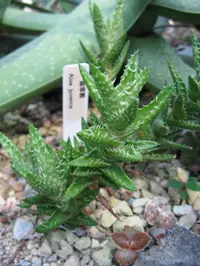
Tiger tooth aloe (Aloe juvenna) is a compact succulent known for its stacked, triangular leaves edged with small, tooth-like points. It forms clustering rosettes that slowly build into dense, architectural mounds in containers or rock gardens.
In nature, Aloe juvenna occurs in East Africa, where it grows in bright, dry, rocky habitats. Its fleshy leaves store water, which makes it relatively forgiving of occasional missed watering.
This species prefers bright light, well-draining gritty soil, and careful watering that allows the roots to dry between soakings. These drought-adapted traits make it straightforward for those learning how to care for Tiger tooth aloe.

Care Difficulty
Easy Care

Light Preference
Partial Sun

Water Requirements
Low Water

Temperature Preference
Tropical / Frost Sensitive

Hardiness Zone
9–11

Soil Texture
Sandy, Loamy, Rocky

Soil pH
Slightly acidic (6.5–7.0), Neutral (7.0)

Soil Drainage
Well-drained

Fertilization
Minimal (feed rarely)
Scan your plant to receive care tips personalized for your specific plant
Available on iOS and Android
Aloe juvenna needs bright light to keep its compact shape and strong leaf color.
Aloe juvenna prefers deep, infrequent watering that allows the soil to dry between soakings.
This compact aloe prefers warm, dry conditions and does not tolerate hard frost.
Humidity is rarely a concern for Aloe juvenna, which prefers dry air similar to indoor heated rooms.
Aloe juvenna needs a fast-draining, mineral-rich substrate to prevent root and stem rot.
This species is well suited to container growing due to its compact, clumping habit.
Aloe juvenna grows well with modest feeding during its active season in spring and summer.
Aloe juvenna benefits from light, occasional pruning to maintain a compact, healthy clump.
Container-grown Aloe juvenna needs infrequent repotting but appreciates fresh, fast-draining soil when crowded.
Aloe juvenna propagation is most successful from offsets taken in warm, bright conditions.
Aloe juvenna is not frost hardy and requires simple winter care in most temperate climates.

Plant Health Check
Not sure what's wrong with your plant? Check your plant's health inside the app.
In its native range in Kenya, this species often grows in rocky crevices and on cliffs, forming tight clusters that help protect its shallow roots and conserve moisture in a harsh, exposed habitat.
The triangular leaves carry prominent, tooth-like projections along the edges and on the keels, which, together with the dense rosette form, help reduce herbivory and shade the leaf surface from intense sun.
The species name juvenna refers to its juvenile-like appearance; the plant keeps small, compact, spotted leaves that resemble the juvenile stages of some other Aloe species, rather than developing broader adult leaves.
Brown tips or patches usually come from underwatering, intense sun without acclimation, or fertilizer burn. Check roots, adjust watering, and move gradually to brighter light. Remove only fully dead leaves with clean tools.
Keep your plants happy and healthy with plant identification, disease detection, and easy care guidance.

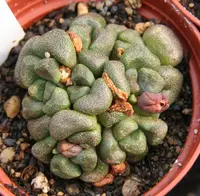
Aloinopsis schooneesii
Aloinopsis schooneesii
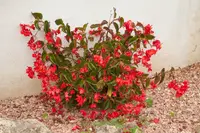
Dragon Wing Begonia
Begonia Dragon Wing Red
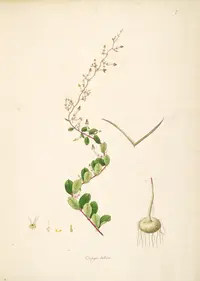
Bulbous Ceropegia
Ceropegia bulbosa
Pinguicula ehlersiae
Pinguicula ehlersiae
Kudu lily
Pachypodium saundersii
 POPULAR
Zebra Plant
Alocasia zebrina
rattail cactus
Aporocactus flagelliformis
Coryphantha delicata
Coryphantha delicata