Autumn Stem Renewal
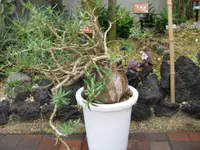
After flowering in late fall, cut back older, woody stems at the base to encourage compact new rosettes and prevent the plant from becoming leggy the following season.

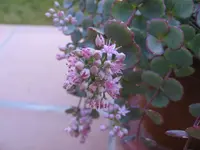
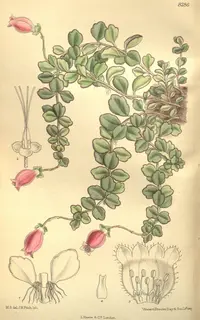
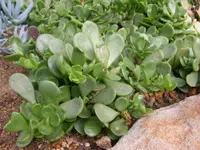
October daphne (Hylotelephium sieboldii) is a compact, deciduous succulent perennial grown mainly for its rounded, blue-green leaves and neat, trailing habit. Leaves are often edged with pink and arranged in whorls along arching stems, giving the plant a distinctive patterned look.
It naturally occurs in rocky areas of Japan, where it grows in well-drained, often gritty soils with good light. In gardens and containers, it stays low and slowly spreads, making it suitable for small spaces and rock gardens.
Its drought tolerance, modest growth rate, and limited pruning needs make it relatively easy to care for October Daphne, provided the soil drains well and light is bright.

Care Difficulty
Easy Care

Light Preference
Full Sun

Water Requirements
Low Water

Temperature Preference
Cold Hardy

Hardiness Zone
5–9

Soil Texture
Sandy, Loamy, Rocky

Soil pH
Slightly acidic (6.5–7.0), Neutral (7.0)

Soil Drainage
Well-drained

Fertilization
Minimal (feed rarely)
Scan your plant to receive care tips personalized for your specific plant
Available on iOS and Android
This low-growing succulent prefers bright conditions but tolerates some shade, especially in hot climates.
This species stores water in its leaves and prefers drying slightly between waterings.
This hardy perennial copes well with cold winters and moderate summer heat when planted in open, well-drained soil.
Humidity is rarely a concern for this drought-tolerant succulent.
Soil for this species must drain very quickly while still anchoring its shallow roots.
This species is well suited to container growing on patios, balconies, and rock-style displays.
Hylotelephium sieboldii needs only light feeding because it naturally thrives in lean, well-drained soils.
Hylotelephium sieboldii benefits from light, targeted pruning to keep the clump compact and flowering well.
This sedum prefers stable conditions and shallow, well-drained soil, so repotting or transplanting should be infrequent and gentle.
Hylotelephium sieboldii is commonly propagated by division and stem cuttings under simple, controlled conditions.
This species is generally cold hardy in temperate climates and needs only modest winter care in the ground.

Plant Health Check
Not sure what's wrong with your plant? Check your plant's health inside the app.
This species naturally flowers in autumn, producing pink to rose-colored star-shaped blooms when many other garden perennials are already fading.
Unlike many succulents that stay evergreen, this plant has fleshy, round leaves that are shed in winter and regrow from the crown in spring.
Its stems grow horizontally and then arch, carrying evenly spaced whorls of leaves that create a distinct, banded pattern not typically seen in related stonecrop species.

The species was introduced to Western horticulture from Japan in the 19th century and became a classic rock garden plant in Europe because its compact, arching form and late-season flowers suited small city gardens and alpine collections.
Poor flowering usually comes from insufficient light, heavy or soggy soil, or excess nitrogen fertilizer. Ensure a bright position, well-drained gritty mix, and modest feeding. Mature clumps bloom more reliably than very young plants.
Keep your plants happy and healthy with plant identification, disease detection, and easy care guidance.