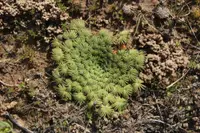
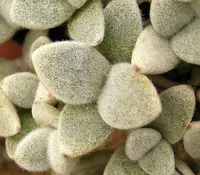
Caribbean agave Care (Agave angustifolia)

Also known as: Caribbean Agave

About Caribbean agave

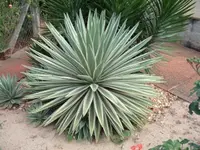
Caribbean agave (Agave angustifolia) is a compact, slow-growing succulent native to dry regions of Mexico and Central America. It forms dense rosettes of stiff, narrow, spine-tipped leaves. Mature plants can develop a striking architectural shape, often used in xeriscapes and arid gardens. The foliage is usually blue-green or gray-green, sometimes with pale margins. This species stores water in its leaves and tolerates drought, which makes it relatively low-maintenance once established. It prefers strong light, well-drained gritty soil, and minimal watering. Understanding how to care for Caribbean agave helps prevent rot and leaf damage, especially in cooler or wetter climates.

Main Plant Requirements

Care Difficulty

Easy Care

Light Preference

Full Sun

Water Requirements

Low Water

Temperature Preference

Warm Climate

Hardiness Zone

9–11

Soil Texture

Sandy, Loamy, Rocky

Soil pH

Slightly acidic (6.5–7.0), Neutral (7.0)

Soil Drainage

Well-drained

Fertilization

Minimal (feed rarely)

Get Personalized Care Plan

Scan your plant to receive care tips personalized for your specific plant

Personalized Care in the App

Available on iOS and Android

How to Care for the Caribbean agave

This sun-loving succulent needs strong light to maintain compact growth and leaf color when growing Caribbean agave outdoors.

  • Provide 6–8 hours of direct sun daily; morning sun with light afternoon shade is ideal in hot, arid regions to reduce leaf scorch risk.
  • Plant in an open, unshaded spot; it tolerates light or dappled shade, but prolonged shade produces stretched, pale rosettes and weaker leaves.
  • Increase sun exposure gradually in spring to harden plants off after cloudy or cool periods, preventing sudden burn from intense summer sun.

This drought-tolerant species prefers infrequent, deep watering with thorough drying between soakings.

  • Allow the top 5–8 cm of soil to dry completely before watering; in most warm seasons this may mean watering only after several rain-free weeks.
  • Use sharply draining, gritty soil and raised beds or mounds so water does not pool around the crown, which increases risk of root and crown rot in Agave angustifolia.
  • In winter or cool spells, water only if leaves start to wrinkle and soil is fully dry, watching for overwatering signs such as yellowing, soft, or collapsing lower leaves.

This species thrives in warm, frost-free climates and slows growth as temperatures drop.

  • Aim for 70–90°F (21–32°C) for active growth; light, dry heat above 95°F (35°C) is tolerated if roots are established and soil drains very well.
  • Protect plants when temperatures approach 28–30°F (-2 to -1°C), as foliage is damaged by hard frost and repeated freezes can kill the rosette.
  • Growth nearly stops below 50°F (10°C); in cooler regions, plant in the warmest, most sheltered microclimate and avoid low-lying frost pockets.

Agave angustifolia tolerates a wide humidity range and rarely needs special humidity management indoors.

  • Target 30–50% humidity, similar to most heated or air‑conditioned homes, without extra humidifiers.
  • Dry air is usually harmless; rot from excess moisture around the rosette is a greater risk than low humidity.
  • If leaf tips brown while soil stays dry, increase air movement rather than humidity and avoid misting the Caribbean agave.

Agave angustifolia needs very fast-draining, mineral-rich soil that dries quickly between waterings.

  • Use a cactus/succulent mix amended with extra coarse sand or fine gravel to keep the profile gritty and open.
  • Aim for slightly acidic to neutral pH around 6.0–7.2, avoiding peat-heavy mixes that stay wet and compact.
  • Mix in 30–50% inorganic particles like pumice or perlite to improve aeration and reduce the risk of root rot.
  • Avoid dense, clay-based, or water-retentive soils; any mix that stays wet beyond 2–3 days is unsuitable for long-term health.

This species is well suited to container growing when the pot controls excess moisture and supports its weight.

  • Select a wide, low, heavy pot to counter the leverage of the spiky rosette and prevent tipping in wind.
  • Ensure large, unobstructed drainage holes so the coarse mix can shed water within minutes after watering.
  • Choose unglazed clay if possible, since its porous walls let moisture evaporate faster and keep roots drier.

Agave angustifolia needs only light feeding to support steady growth in containers or poor soils.

  • Use a balanced, low-nitrogen slow-release fertilizer or dilute liquid feed at 1/2–1/4 strength in spring.
  • Apply once at the start of the warm growing season; a second light dose in midsummer is usually enough.
  • Avoid rich compost layers directly against the crown to prevent rot, especially in heavy or wet soils.
  • Do not feed Caribbean agave in winter dormancy; stop fertilizing 6–8 weeks before expected cold.

Agave angustifolia needs minimal pruning, focused on hygiene and safety rather than shaping.

  • Best timing is late spring to early summer when growth is active and wounds seal faster.
  • Remove dead, damaged, or diseased lower leaves at the base, plus any badly crowded or rubbing foliage.
  • Use sharp bypass pruners or a pruning saw, wearing thick gloves and eye protection due to spines.
  • Pruning maintains a clean rosette, improves airflow, and reduces pest harborage but does not increase flowering.

This agave prefers to stay put and only needs occasional repotting or transplanting when clearly root-bound.

  • Check for roots circling the container, emerging from drainage holes, or noticeably slowed growth as signs to move it.
  • Plan repotting or transplanting in late spring to early summer, every 3–5 years for container plants.
  • Choose a shallow, heavy pot or sunny, sharply drained outdoor site; handle the root ball gently and keep it intact.
  • Water lightly after moving, then allow the mix to dry between waterings to limit root stress and rot risk.

Agave angustifolia is most commonly propagated from offsets rather than from seed in home settings.

  • Detach basal offsets in late spring or early summer once they have several leaves and their own roots.
  • Use a clean, sharp knife to separate pups, then let cut surfaces dry and callus for 2–5 days.
  • Plant offsets in a gritty, fast-draining mix, burying roots but keeping the crown slightly above the surface.
  • Keep in bright, indirect light with very light watering until new growth confirms successful rooting.

This agave has moderate frost tolerance but benefits from basic winter protection outside warm climates.

  • Hardy only to light frost; sustained temperatures below about 25°F can damage leaves and central tissue.
  • Mulch the root zone with a thin, gritty layer around but not against the crown to moderate soil temperature.
  • In wet winters, provide overhead cover or excellent drainage to keep the crown and roots from staying waterlogged.
  • Move container plants indoors to a bright, cool, dry spot before hard frost and reduce watering sharply.

Care Tips

Protect leaf rosettes

Plant on a slight mound or in a raised spot so water cannot pool in the rosette, which greatly reduces crown rot risk in rainy periods.

Use gravel collars

Top-dress the soil with a 2–5 cm ring of coarse gravel or small rocks around the base to keep lower leaves dry and clean, discourage rot, and improve air flow at the crown.

Rotate for symmetry

Turn container plants 90° every 4–6 weeks so all sides receive similar light, which keeps the rosette balanced and prevents leaning toward the brightest side.

Plan for offsets

Leave 15–30 cm of open space around the plant so emerging pups have room to develop, then remove or transplant them when they reach roughly one-third the size of the parent.

Dry handling protocol

Schedule repotting, offset removal, and leaf cleanup during a dry stretch and keep the plant dry for 3–5 days afterward so cut surfaces callus fully and resist infection when growing Caribbean agave.

Common Pests and Diseases

Agave snout weevil

This pest bores into the base of the rosette, causing internal damage and rapid collapse of leaves. Symptoms include yellowing, wilting, and a foul smell from the crown as tissues rot.

Solution

Remove and destroy any infested plants, including roots, to prevent the weevils from spreading. Inspect nearby agaves, avoid wounding the base, and in outdoor plantings use a systemic insecticide labeled for ornamental agaves as a preventative soil drench in spring in areas where this pest is known to occur.

Agave mite

These microscopic eriophyid mites feed in tight leaf folds and the crown, leading to distorted new growth, scarring, and sometimes dark, corky patches or streaks on leaves. Symptoms include slow, uneven growth and deformed emerging leaves rather than obvious visible insects.

Solution

Isolate suspect plants, then remove and discard the most distorted or damaged leaves and any tightly folded tissue. In collections, treat remaining plants with a miticide labeled for eriophyid mites, improve spacing and airflow, and avoid overhead water splashing from plant to plant to limit spread.

Soft scale

These insects attach to leaves and stems, sucking sap and excreting sticky honeydew that can lead to sooty mold. Symptoms include small, dome-shaped or flat brown to gray bumps and a tacky residue on leaves or nearby surfaces.

Solution

Wipe reachable leaves with a cloth dipped in mild soapy water or 70% isopropyl alcohol to remove scales and honeydew, repeating as needed. For heavier infestations on outdoor plants, use a horticultural oil spray in mild weather, ensuring thorough coverage of leaf bases and undersides.

Leaf spot

This disease causes brown, tan, or dark water-soaked lesions on leaves, often with a yellow halo or slightly sunken center. Symptoms include spots coalescing into larger patches that weaken and scar foliage, especially in humid or rainy conditions.

Solution

Prune off and discard affected leaves, keeping tools clean between cuts, and avoid overhead watering so foliage stays as dry as possible. Improve spacing and airflow, remove fallen debris around the plant, and if spots continue to spread, use a copper-based fungicide labeled for ornamental succulents according to label directions.

Crown and stem rot

This disease develops when the crown or lower stem stays wet for long periods, allowing soilborne fungi to invade. Symptoms include soft, mushy tissue at the base, a foul odor, and the rosette loosening or toppling over even if upper leaves still look fairly healthy at first.

Solution

At early stages, cut away all soft, discolored tissue and allow the plant to dry thoroughly in a warm, airy place; replant only in very well-draining, mostly mineral soil and avoid watering into the crown. In landscape settings, improve drainage with raised beds or gravelly soil and water deeply but infrequently, letting the soil dry fully between waterings as part of general Agave angustifolia care.

Interesting Facts

Key mezcal source

This species is one of the main traditional sources of mezcal in parts of Oaxaca and other Mexican states, where specific regional varieties are cultivated and roasted to produce distinct flavor profiles.

Narrow, spined leaves

It is characterized by relatively narrow, sword-like leaves with sharp marginal teeth and a terminal spine, forming dense rosettes that differ in outline from the broader-leaved century plant species.

Tolerance to dry heat

Native to dry tropical and subtropical regions from Mexico to Central America, it is adapted to high temperatures and prolonged dry seasons, showing strong resilience in arid and seasonally dry scrub habitats.

Botan icon

Did you know?

This species uses crassulacean acid metabolism (CAM), opening its stomata mainly at night to take in carbon dioxide, which greatly reduces water loss and helps it survive in hot, dry environments where many other plants cannot persist.

FAQs about Caribbean agave

Yes, this species suits container culture because of its compact root system and slow to moderate growth. Use a wide, heavy pot with drainage holes and a gritty mix, and rotate occasionally to keep the rosette balanced.

Grow Healthy Plants with Botan Care

Keep your plants happy and healthy with plant identification, disease detection, and easy care guidance.

Botan plant care app — identify plants on mobile

Explore More Plants